15 Plants You Can Grow in a Greenhouse for a Tropical Oasis Right Outside Your Door
A greenhouse changes everything for a gardener. It gives you control over temperature, humidity, and light — the three things tropical plants crave most. Even if you live somewhere cold, grey, and unpredictable, a greenhouse lets you grow bold, beautiful plants that would never survive a single winter outdoors.
The 15 plants in this list were chosen because they thrive in greenhouse conditions, create a genuine tropical atmosphere, and suit a range of skill levels. Whether you want dramatic foliage, intoxicating fragrance, edible fruit, or simply a green retreat to escape into — this list has you covered.
Here is what you can expect from growing tropical plants in your greenhouse:
- A lush, year-round growing season with no frost damage
- Natural humidity that keeps tropical foliage healthy and vibrant
- The ability to grow fruit like bananas, papaya, and passionfruit at home
- A private sanctuary that doubles as a mental health retreat
- A space to propagate, experiment, and expand your collection cheaply
Why a Greenhouse Is the Secret to Growing Tropical Plants
Most tropical plants evolved in regions where temperatures rarely drop below 15°C and humidity stays high all year. They do not tolerate frost, dry air, or cold nights. A greenhouse solves all of these problems at once.
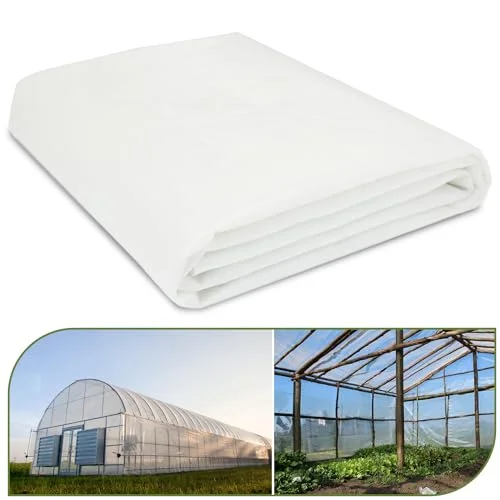
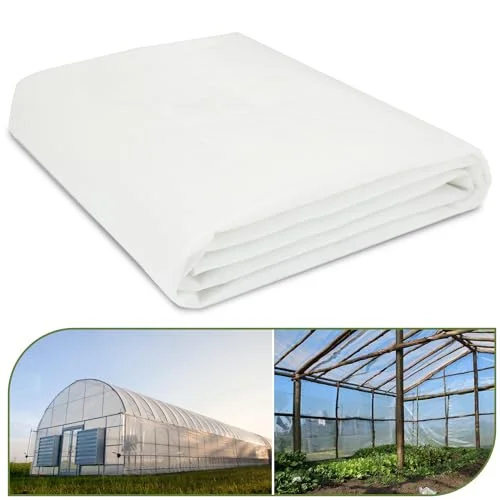
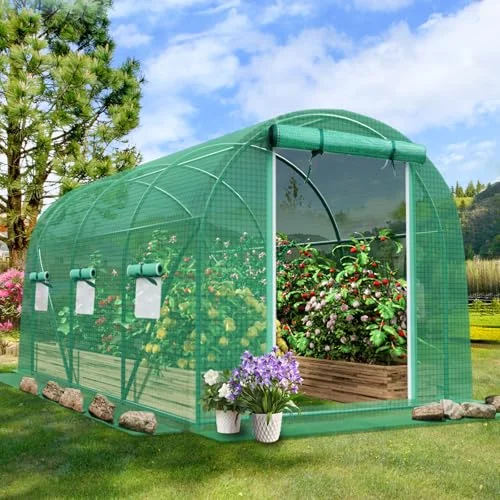
It traps heat from the sun during the day and holds it through the night. It keeps moisture in the air. It shields your plants from wind, frost, and temperature swings. Even a modest structure — a lean-to, a polytunnel, or a small freestanding greenhouse — can create conditions that mimic the tropics closely enough for most of these plants to genuinely thrive.
You do not need a grand setup to get started. A basic heater to maintain minimum night temperatures, some good compost, and a little attention to watering is enough to begin. The plants will do the rest.
The 15 Best Tropical Plants for Your Greenhouse
1. Bird of Paradise (Strelitzia reginae)
Few plants announce “tropical” quite as boldly as the Bird of Paradise. Its wide, paddle-shaped leaves alone make it worth growing, but the real reward is the flower a vivid spike of orange and blue that genuinely resembles a tropical bird in flight. It needs at least six hours of bright light per day, free-draining soil, and patience. Flowers typically appear after three to five years from seed, but divisions from mature plants bloom much sooner.
Best for: Ornamental impact, statement displays Minimum temperature: 10°C Difficulty: Moderate
2. Giant Taro (Alocasia macrorrhiza)

If you want leaves so large they stop people in their tracks, Giant Taro is the plant to grow. In a warm, humid greenhouse, individual leaves can exceed one metre in width, creating an instant rainforest atmosphere. It prefers bright indirect light, high humidity, and soil that stays consistently moist without becoming waterlogged. Give it space — it will use every centimetre.
Best for: Foliage drama, filling large corners Minimum temperature: 15°C Difficulty: Easy
3. Monstera deliciosa

The Monstera is already one of the world’s most beloved houseplants, but growing it in a greenhouse reveals what it can truly become.
The split, fenestrated leaves grow far larger than they ever would on a windowsill. Given a moss pole to climb, consistent warmth, and bright indirect light, a greenhouse Monstera can eventually produce fruit — a scaly, pineapple-flavoured oddity that is entirely edible and genuinely delicious.
Best for: Foliage, climbing displays, occasional fruit Minimum temperature: 12°C Difficulty: Easy
4. Heliconia (Heliconia spp.)

Heliconias look almost artificial — their waxy, lobster-claw bracts in shades of red, orange, and yellow seem too vivid to be real. They are bold, architectural plants that demand attention. They also demand warmth. A minimum temperature of 18°C, high humidity, and generous feeding through the growing season will keep them performing at their best. Get the conditions right and they reward you with some of the most spectacular flowers in the plant world.
Best for: Exotic flowering, bold colour Minimum temperature: 18°C Difficulty: Moderate
5. Tree Fern (Dicksonia antarctica)

Tree ferns bring a prehistoric atmosphere to any greenhouse. Their fibrous trunks slowly rise over the years while dramatic fronds unfurl from the crown, creating a canopy effect that no other plant quite replicates.
They are more cold-tolerant than most tropical species on this list, making them ideal for the cooler end of a greenhouse.
The one non-negotiable requirement is moisture — the trunk must be kept damp at all times, so mist it daily during warm weather.
Best for: Architectural drama, shaded areas Minimum temperature: 5°C Difficulty: Easy
6. Gardenia (Gardenia jasminoides)

Gardenias are famously demanding, but the fragrance they produce is unlike anything else. The creamy white flowers release a rich, honeyed scent that fills an entire greenhouse. To keep them happy, you need acidic soil, consistent watering, high humidity, and protection from cold draughts. They react badly to inconsistency — sudden changes in temperature or watering frequency cause buds to drop before opening. Get the routine right, however, and they are breathtaking.
Best for: Fragrance, white flower displays Minimum temperature: 10°C Difficulty: Advanced
7. Plumeria (Plumeria rubra)
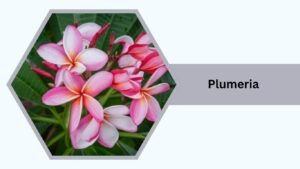
Plumeria is the flower of tropical garlands and warm evenings. Its waxy, intensely fragrant blooms cluster at the tips of bare branches, appearing in summer on plants that have spent the winter in a dormant, leafless state. That leafless period alarms new growers, but it is entirely normal — simply reduce watering and wait. When warmth and light return, the plant wakes up and flowers generously. Full sun and a well-drained pot are the keys to success.
Best for: Fragrance, summer flowering Minimum temperature: 13°C Difficulty: Moderate
8. Bougainvillea (Bougainvillea spectabilis)

Bougainvillea is one of the easiest and most rewarding tropical plants you can grow in a greenhouse. Its papery bracts — not technically petals — come in vivid shades of magenta, orange, red, and white, and it produces them prolifically when given full sun and occasional drought stress. Overwatering is the most common mistake; keeping the soil slightly dry between waterings actually encourages more flowers. Train it against a south-facing wall and let it climb.
Best for: Climbing displays, long-season colour Minimum temperature: 7°C Difficulty: Easy
9. Passionflower (Passiflora edulis)
The passionflower is one of the most intricate and otherworldly blooms in the plant kingdom — a layered, geometric flower that looks hand-crafted. Beyond the aesthetics, it is also practical: a single self-fertile plant will produce real, edible passionfruit in a warm greenhouse. It is a vigorous climber, so give it strong wires or a trellis and it will cover a large area quickly. Full sun and moderate watering are all it asks.
Best for: Edible fruit, ornamental climbing Minimum temperature: 10°C Difficulty: Easy
10. Ginger Lily (Hedychium gardnerianum)
Ginger lilies are tall, bold plants with reed-like stems that shoot up through summer before crowning with clusters of fragrant yellow-orange flowers in late summer. They die back to rhizomes in winter, then return with vigour in spring — one of the most satisfying cycles in greenhouse growing. They are unfussy, resilient, and wonderfully fragrant. If you are new to tropical greenhouse gardening, ginger lily is an excellent place to start.
Best for: Late summer fragrance, border planting Minimum temperature: 5°C Difficulty: Easy
11. Dwarf Banana (Musa acuminata ‘Dwarf Cavendish’)
Yes, you really can grow bananas in a greenhouse — and yes, they really do produce fruit. The Dwarf Cavendish is the most reliable variety for home growers. It needs a large container (at least 50 litres), high potassium fertiliser through the growing season, full sun, and a minimum winter temperature of around 12°C. The pseudostem dies after fruiting, but new suckers emerge from the base to replace it. Expect your first bunch within 18 to 24 months of planting.
Best for: Edible fruit, tropical drama Minimum temperature: 12°C Difficulty: Moderate
12. Papaya (Carica papaya)
Papaya is one of the fastest-fruiting tropical trees you can grow, often producing its first fruit within 18 months of sowing from seed. It needs full sun, very free-draining soil, and consistent warmth — night temperatures below 15°C slow it down noticeably. You will need at least one male and one female plant to achieve fruit set, or choose a hermaphrodite variety. The fruit is large, sweet, and genuinely tropical — a remarkable thing to harvest from your own greenhouse.
Best for: Edible fruit, fast growing Minimum temperature: 15°C Difficulty: Moderate
13. Lemon Grass (Cymbopogon citratus)
Lemon grass is one of the most practical plants on this list. Its dense, aromatic clumps of grass-like foliage fill the greenhouse air with a clean citrus scent, while the stems are a staple ingredient in Thai, Vietnamese, and Caribbean cooking. It tolerates a wide range of light conditions and is almost impossible to overwater in a well-drained pot. Divide clumps every two years to keep them healthy and productive.
Best for: Culinary use, fragrance, easy growing Minimum temperature: 8°C Difficulty: Easy
14. Traveller’s Palm (Ravenala madagascariensis)
The Traveller’s Palm is one of the most architecturally striking plants in the world. Its enormous paddle-shaped leaves are arranged in a perfect flat fan, creating a silhouette that is instantly recognisable and endlessly dramatic. It grows slowly, so it will not outgrow a large greenhouse quickly, but it needs height eventually — a tall-roofed structure is ideal. Full sun and moderate watering suit it well. This is the plant that makes visitors stop and stare.
Best for: Architectural showstopper, tall displays Minimum temperature: 12°C Difficulty: Moderate
15. Canna Lily (Canna × generalis)
Canna lilies are the workhorse of the tropical greenhouse — bold, fast-growing, and incredibly easy. Their large banana-like leaves come in green, deep bronze, or striking variegated forms, and the flowers — in shades of red, orange, yellow, and pink — appear reliably through summer and autumn. They die back in winter but the rhizomes can be stored in a frost-free greenhouse and replanted in spring. Few plants deliver this much tropical impact for so little effort.
Best for: Foliage and flowers, beginner-friendly Minimum temperature: 0°C (rhizomes frost-hardy) Difficulty: Easy
Quick Reference Table
| Plant | Min. Temp | Light | Difficulty | Main Benefit |
|---|---|---|---|---|
| Bird of Paradise | 10°C | Full sun | Moderate | Exotic flowers |
| Giant Taro | 15°C | Bright indirect | Easy | Giant foliage |
| Monstera | 12°C | Bright indirect | Easy | Foliage / fruit |
| Heliconia | 18°C | Full sun | Moderate | Bold colour |
| Tree Fern | 5°C | Dappled shade | Easy | Architectural |
| Gardenia | 10°C | Bright indirect | Advanced | Fragrance |
| Plumeria | 13°C | Full sun | Moderate | Fragrance |
| Bougainvillea | 7°C | Full sun | Easy | Long-season colour |
| Passionflower | 10°C | Full sun | Easy | Fruit / flowers |
| Ginger Lily | 5°C | Full / partial | Easy | Late fragrance |
| Dwarf Banana | 12°C | Full sun | Moderate | Edible fruit |
| Papaya | 15°C | Full sun | Moderate | Edible fruit |
| Lemon Grass | 8°C | Full / partial | Easy | Culinary / scent |
| Traveller’s Palm | 12°C | Full sun | Moderate | Drama / structure |
| Canna Lily | 0°C | Full sun | Easy | Foliage / flowers |
How to Keep Your Tropical Greenhouse Thriving
Getting the plants is the exciting part. Keeping them healthy is where the real gardening happens. Here are the most important things to get right:
Temperature — Know the minimum night temperature each plant needs and set your heater accordingly. Group cold-sensitive plants like heliconia and papaya in the warmest zone. More tolerant species like bougainvillea and tree ferns can sit closer to the cooler ends or vents.
Humidity — Wet the greenhouse floor on warm mornings (called damping down) to raise moisture in the air. Place pots on trays filled with pebbles and water. Mist ferns and heliconias in the morning, not the evening — wet leaves overnight encourages disease.
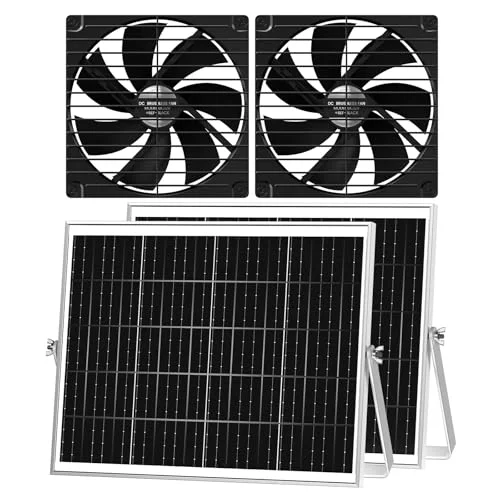
Ventilation — High humidity and still air is a recipe for fungal problems. Keep a small fan running during the day and open vents when temperatures climb above 25°C. Fresh air movement makes plants stronger and healthier.
Watering — Most tropical plants like consistent moisture but hate sitting in waterlogged soil. Use free-draining compost, pots with drainage holes, and water when the top inch of soil feels dry. Reduce watering in winter for dormant plants like plumeria and canna.
Light — In winter at higher latitudes, natural light may not be enough for sun-loving species. A full-spectrum LED grow light on a timer can make a real difference for bananas, bird of paradise, and heliconias through the darkest months.
Frequently Asked Questions
What is the easiest tropical plant to grow in a greenhouse?
Bougainvillea, Canna lily, and Lemon Grass are the easiest options. All three tolerate a range of conditions, need minimal fuss, and reward you with strong growth and colour with very little intervention.
What temperature does a greenhouse need for tropical plants?
Most tropical plants need a minimum night temperature of 10–15°C. Some, like tree ferns and ginger lilies, can handle as low as 5°C. Heat-lovers like heliconia and papaya need at least 15–18°C to grow well.
Can you actually grow bananas in a greenhouse in the UK?
Yes. Musa acuminata ‘Dwarf Cavendish’ produces real, edible bananas in a UK greenhouse with a minimum winter temperature of around 12°C and good light. Expect your first bunch after about 18–24 months.
How do you keep humidity high in a greenhouse?
Wet the floor each morning, use pebble-and-water trays under pots, and mist plants in the morning. An oscillating fan keeps air moving without drying things out too quickly. Aim for 60–80% relative humidity for most tropical species.
Which plants give the best tropical atmosphere?
Combine large-leaved plants like Alocasia and Monstera with flowering species like Heliconia and Bird of Paradise. Add fragrant plants like Gardenia or Ginger Lily and a climber like Bougainvillea overhead. Layering different heights creates the richest, most immersive tropical effect.

- 10 Best Aquarium Light For Deep Tank 2026 - September 20, 2026
- 10 Best External Filter For 300 Litre Aquarium 2026 - September 20, 2026
- 10 Best Aquarium Light For 20/40/55/75 Gallon Tanks 2026 - September 19, 2026