10 Types Greenhouse You Should Know Before Buying or Building
A greenhouse changes how you grow plants. It gives you control over temperature, humidity, and light. You can grow faster. You can grow all year.
But not all greenhouses work the same.
Some are cheap and simple. Some need a high budget and careful setup. Some fit small backyards. Others suit large farms. If you pick the wrong type, you waste money and get poor results.
You need to match the greenhouse to your space, climate, and goals.
In this guide, you will learn the 10 main types of greenhouses. You will see how each one works, where it fits best, and what to expect in cost and performance. This helps you choose the right structure for your garden or project without guesswork.
Table of Contents
Toggle1. Lean-To Greenhouse
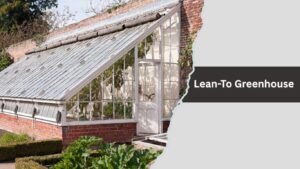
A lean-to greenhouse sits against an existing wall. You use the wall for support and heat retention. This cuts build cost and saves space. The wall absorbs heat during the day and releases it at night. This keeps your plants more stable. It fits small gardens, patios, and side yards. You need strong sunlight exposure, with south-facing placement giving the best results.
What Is a Lean-To Greenhouse
This type uses one solid wall as part of the structure. It reduces materials and simplifies construction.
- Built against a house, garage, or shed
- One side fully enclosed by existing wall
- Smaller footprint than freestanding models
- Common in urban or limited spaces
Setup and Placement Tips
Proper placement improves plant growth and reduces heating issues.
- South-facing wall gets maximum sunlight
- East-facing works for moderate climates
- Avoid shaded or windy areas
- Ensure good drainage near the base
Benefits and Limitations
You get efficiency, but you trade off space and flexibility.
- Lower cost than standalone greenhouse
- Better heat retention from wall
- Easy access from home
- Limited expansion options
- Depends on wall condition and direction
Best Use Cases and Plants
Works best for small-scale growing and controlled environments.
- Ideal for herbs and leafy greens
- Good for seedlings and starter plants
- Suitable for tomatoes and peppers in small batches
- Best for beginners and home gardeners
2. Freestanding Greenhouse
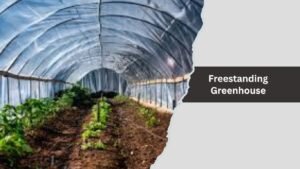
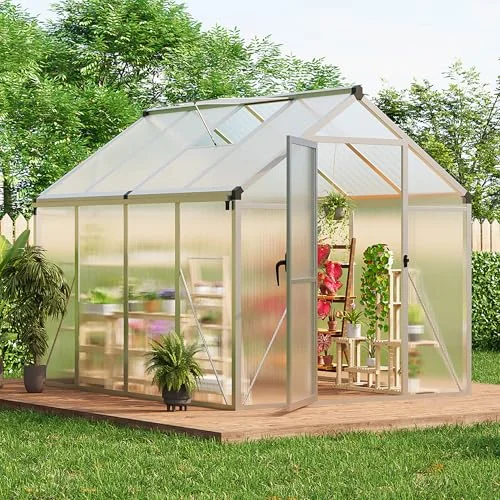
A freestanding greenhouse stands on its own. You can place it anywhere in your garden. This gives full control over sunlight, airflow, and layout. It supports larger growing space and more plant types. You need more materials and planning compared to a lean-to. It suits growers who want flexibility and future expansion.
What Is a Freestanding Greenhouse
This is a complete structure built independently without support from another building.
- Installed anywhere with enough space
- Fully enclosed on all sides
- Available in many sizes and designs
- Suitable for home and commercial use
Setup and Placement Tips
Location plays a big role in plant performance.
- Choose open areas with full sun exposure
- Align length east to west for even light
- Ensure good airflow around the structure
- Plan space for expansion if needed
Benefits and Limitations
Offers flexibility but needs higher investment.
- Full control over design and layout
- Better ventilation and airflow
- Supports more plant variety
- Higher cost and maintenance
- Requires more land space
Best Use Cases and Plants
Ideal for growers who want scale and variety.
- Suitable for vegetables, fruits, and flowers
- Works for year-round gardening
- Good for commercial production
- Fits serious hobby gardeners
3. Tunnel Greenhouse (Hoop House)
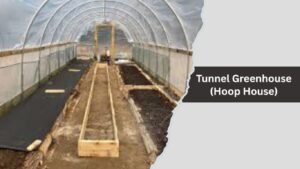
A tunnel greenhouse uses a curved frame covered with plastic. It is one of the most cost-effective options. Setup is fast and simple. It works well for seasonal growing. It does not last as long as rigid structures, but it delivers solid results for low investment. It suits farmers and beginners.
What Is a Tunnel Greenhouse
A lightweight structure built with hoops and plastic covering.
- Semi-circular or tunnel-shaped frame
- Covered with polyethylene plastic
- Easy to assemble and move
- Common in small farms
Setup and Placement Tips
Simple setup but needs proper positioning.
- Place in open sunlight area
- Secure frame against wind
- Use proper anchoring in soil
- Ensure drainage to avoid water buildup
Benefits and Limitations
Low cost comes with trade-offs in durability.
- Affordable and quick to build
- Easy to expand or relocate
- Good for seasonal crops
- Less durable than rigid greenhouses
- Limited insulation in extreme weather
Best Use Cases and Plants
Works best for fast-growing and seasonal crops.
- Ideal for vegetables like lettuce and spinach
- Good for early spring and fall crops
- Used for row crops and seedlings
- Best for budget growers
4. Glass Greenhouse
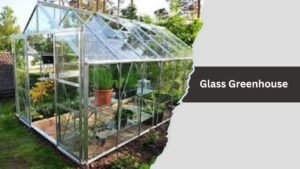
A glass greenhouse uses transparent panels for maximum light. It offers a clean and professional look. Plants get full sunlight, which supports strong growth. It needs strong framing and careful temperature control. Cost is higher, but performance is high when managed well.
What Is a Glass Greenhouse
A rigid structure built with glass panels for full light exposure.
- Uses clear glass panels
- Strong metal or wooden frame
- Permanent and durable setup
- Common in commercial use
Setup and Placement Tips
Proper setup helps manage heat and light.
- Place in full sun location
- Add ventilation systems to control heat
- Use shading in hot climates
- Ensure strong foundation
Benefits and Limitations
High performance but needs higher budget.
- Maximum light transmission
- Long lifespan with proper care
- Strong visual appeal
- Expensive to build and maintain
- Can overheat without ventilation
Best Use Cases and Plants
Best for controlled, high-growth environments.
- Ideal for exotic and flowering plants
- Suitable for nurseries
- Works for year-round production
- Used by advanced growers
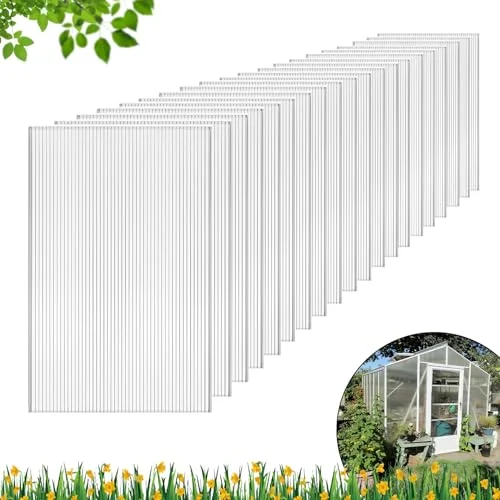
5. Polycarbonate Greenhouse
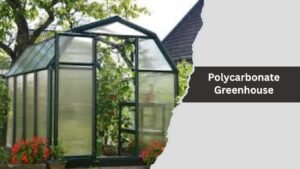
A polycarbonate greenhouse uses plastic panels instead of glass. It provides strong insulation and protects plants from harsh weather. Light spreads evenly, which reduces plant stress. It is durable and easier to install. It works well in most climates and offers a balanced solution.
What Is a Polycarbonate Greenhouse
A greenhouse made with twin-wall or multi-wall plastic panels.
- Uses polycarbonate sheets
- Lightweight but strong material
- Diffuses light evenly
- Popular alternative to glass
Setup and Placement Tips
Easy setup with good performance in many climates.
- Install in full or partial sun
- Ensure proper ventilation
- Use strong frame for support
- Seal panels to prevent heat loss
Benefits and Limitations
Balanced choice for cost and performance.
- Better insulation than glass
- UV protection for plants
- Durable and impact resistant
- Slightly less clear than glass
- Can discolor over time
Best Use Cases and Plants
Fits a wide range of growing needs.
- Ideal for vegetables and herbs
- Good for seed starting
- Works in hot and cold climates
- Suitable for beginners and experienced growers
6. Mini Greenhouse
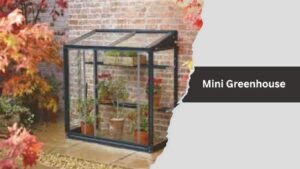
A mini greenhouse is compact and easy to manage. It fits balconies, patios, and small gardens. You get basic protection from cold, wind, and pests. It helps you start seeds and grow herbs without large space. Cost stays low and setup is simple. It suits beginners and anyone with limited space.
What Is a Mini Greenhouse
A small-scale structure designed for limited space growing.
- Compact size for indoor or outdoor use
- Often portable and lightweight
- Available as shelves with covers or small frames
- Quick to assemble
Setup and Placement Tips
Placement affects growth even in small setups.
- Place near windows or sunny spots
- Use balconies or rooftops for outdoor use
- Avoid shaded corners
- Ensure airflow to prevent mold
Benefits and Limitations
Simple and affordable but limited capacity.
- Low cost and easy setup
- Space-saving design
- Good for beginners
- Limited plant capacity
- Less stable in extreme weather
Best Use Cases and Plants
Best for small-scale growing and early stages.
- Ideal for herbs like basil and mint
- Good for seedlings and propagation
- Suitable for small vegetables
- Perfect for urban gardeners
7. Cold Frame Greenhouse
A cold frame is a low, box-like structure. It uses sunlight to trap heat and protect plants. There is no external heating system. It extends your growing season in early spring and late fall. It is simple to build and low cost. It suits gardeners who want passive growing without complex setup.
What Is a Cold Frame Greenhouse
A basic enclosed box with a transparent top.
- Built close to the ground
- Uses clear lid for sunlight
- No electricity or heating needed
- Often made from wood and glass or plastic
Setup and Placement Tips
Correct placement improves heat retention.
- Face the lid toward the sun
- Place in a sheltered area
- Tilt top for better light exposure
- Ensure proper drainage
Benefits and Limitations
Low-tech solution with limited control.
- Very low cost
- No energy use
- Extends growing season
- Limited temperature control
- Small growing space
Best Use Cases and Plants
Works well for hardy and early crops.
- Ideal for lettuce and spinach
- Good for seed hardening
- Suitable for root vegetables
- Best for cool-season gardening
8. Geodesic Dome Greenhouse
A geodesic dome greenhouse uses a dome-shaped frame made of triangles. This design spreads stress evenly, making it strong and stable. It handles wind and snow better than many other types. Light spreads evenly inside, which helps plant growth. It needs careful planning and higher effort to build.
What Is a Geodesic Dome Greenhouse
A spherical structure built with triangular panels.
- Unique dome shape design
- Strong and wind-resistant structure
- Efficient use of materials
- Even light distribution
Setup and Placement Tips
Proper planning is key for this structure.
- Choose open space for full sunlight
- Build strong foundation
- Plan ventilation points
- Use quality materials for joints
Benefits and Limitations
Strong and efficient but complex to build.
- High structural strength
- Energy efficient design
- Good light distribution
- Complex construction process
- Higher initial cost
Best Use Cases and Plants
Fits advanced and long-term growing setups.
- Suitable for diverse crops
- Works in extreme climates
- Good for year-round growing
- Best for experienced growers
9. Gothic Arch Greenhouse
A gothic arch greenhouse uses a pointed arch shape. This design improves strength and helps snow and rain slide off quickly. It performs well in cold and wet climates. The curved roof also increases vertical space for taller plants. It costs more than a hoop house but gives better durability and airflow.
What Is a Gothic Arch Greenhouse
A greenhouse with a high, pointed arch frame.
- Pointed roof design for strength
- Better load handling for snow and rain
- Strong metal or PVC frame
- Common in cold regions
Setup and Placement Tips
Good setup improves durability and plant health.
- Install on level ground
- Use strong anchoring system
- Place in full sunlight
- Add proper ventilation openings
Benefits and Limitations
Built for strength but needs higher investment.
- Strong and weather resistant
- Better drainage of snow and rain
- More headroom for plants
- Higher cost than simple designs
- Slightly complex to build
Best Use Cases and Plants
Works well in tough weather conditions.
- Ideal for tall crops like tomatoes
- Suitable for year-round growing
- Good for cold climates
- Used by serious growers
10. A-Frame Greenhouse
An A-frame greenhouse has a simple triangular shape. It is easy to build and budget-friendly. The sloped sides help with rain runoff. It works well for small gardens but limits usable space inside. This type suits DIY builders and beginners who want a quick and low-cost greenhouse.
What Is an A-Frame Greenhouse
A basic structure shaped like the letter A.
- Triangular frame design
- Simple and easy to construct
- Uses wood or metal frames
- Covered with plastic or glass
Setup and Placement Tips
Simple setup with basic planning.
- Place in sunny location
- Ensure stable base
- Align for maximum sunlight
- Allow space for access
Benefits and Limitations
Easy build but limited efficiency.
- Low cost and DIY-friendly
- Quick construction
- Good water runoff
- Limited interior space
- Less efficient airflow
Best Use Cases and Plants
Best for small-scale and beginner use.
- Suitable for small vegetables
- Good for herbs and seedlings
- Works for seasonal growing
- Ideal for home gardeners
Conclusion
Choosing the right greenhouse depends on your space, budget, and growing goals. Each type serves a clear purpose. Small setups like lean-to, mini, and A-frame work well for limited space and beginners. Freestanding and polycarbonate models give you flexibility and balanced performance. Tunnel greenhouses suit low-cost, seasonal growing. Glass structures fit high-end, controlled environments. Strong designs like gothic arch and geodesic dome handle harsh weather and long-term use. Focus on sunlight, climate, and plant type before you decide. A well-matched greenhouse saves cost, improves yield, and makes your growing process easier.

- 10 Best Aquarium Light For Deep Tank 2026 - September 20, 2026
- 10 Best External Filter For 300 Litre Aquarium 2026 - September 20, 2026
- 10 Best Aquarium Light For 20/40/55/75 Gallon Tanks 2026 - September 19, 2026