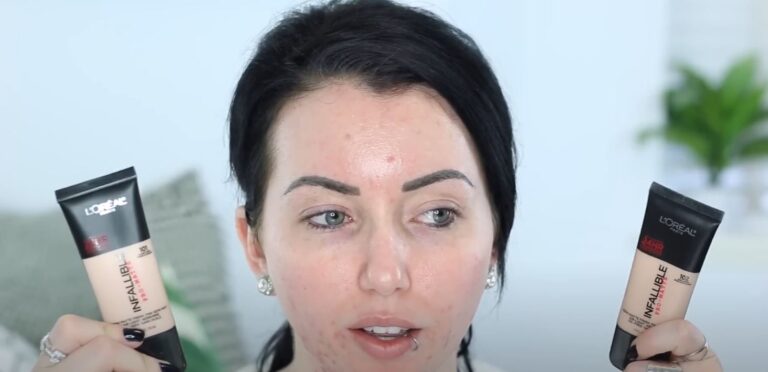
Is It Better to Go Lighter or Darker With Foundation? My Real Experience and Expert Tips
Finding the right foundation shade is one of the most common makeup struggles — and one of the most Googled questions for good reason. Should you go one shade lighter? Should foundation be darker than your skin? What happens if your foundation is a bit light? This guide answers all of it, based on real testing and expert-backed advice.
Should Foundation Be Lighter or Darker Than Your Skin?
The short answer: your foundation should match your natural skin tone as closely as possible — ideally within one shade in either direction. Here’s why going too far in either direction causes problems:
- Too light: Foundation that’s lighter than your skin tone creates a gray or ashy appearance, especially in natural light and flash photography. It can also wash out your features and make you look dull or unwell.
- Too dark: Foundation darker than your skin creates a visible mask effect — a sharp line along the jaw and neck that looks unnatural in person and on camera.
The goal is seamless skin, not coverage. That means matching, not correcting.
Should You Go One Shade Lighter for Foundation?

Going one shade lighter can work well in specific situations:
- Indoor or office lighting: Slightly lighter foundations photograph well under fluorescent and LED lights and can brighten tired or dull skin.
- Fair or pale skin in winter: If your skin is very fair, one shade lighter can prevent the foundation from oxidizing to an orange tone.
- Under-eye brightening: A slightly lighter foundation or concealer under the eyes lifts the look without looking patchy.
The risk: In flash photography or direct sunlight, a lighter shade reflects more light and can look ashy or chalky — especially if your undertone is warm and you’ve chosen a cool-toned lighter shade.
Should You Use a Darker Foundation in Summer With a Tan?
Yes — absolutely. This is one of the most common reasons to have two foundation bottles.
When you tan in summer, your skin deepens 1–3 shades depending on your base tone. Using your winter foundation on sun-kissed skin creates an obvious mismatch: your face looks significantly lighter than your neck, chest, and arms.
What to do:
- Swatch 2–3 shades in late summer after your tan has fully developed
- Match to your jawline and neck, not just your cheek
- In between shades? Mix a small amount of a darker shade into your lighter one
What Happens If Your Foundation Is a Bit Light?

A slightly light foundation is actually easier to fix than one that’s too dark. Here’s what you can do:
- Add bronzer: A light dusting of bronzer on the cheeks, forehead, and nose warms up the overall look and closes the gap between your foundation shade and your actual skin tone.
- Mix in a darker shade: On the back of your hand, mix a drop of a darker foundation or tinted moisturizer into your lighter shade before applying.
- Use a color-correcting drop: Some brands sell foundation darkening drops — add 1–2 drops to your product to deepen it.
- Layer with a tinted setting powder: A warm, slightly tinted setting powder can shift a too-light base noticeably.
If your foundation looks light but not dramatically so, bronzer is usually enough. If the color difference is significant, mix or replace the shade.
Can You Use a Darker Foundation as a Contour?
Yes — and many pro makeup artists do exactly this. A foundation one or two shades deeper than your skin tone, applied to the hollows of the cheeks, the sides of the nose, and the perimeter of the forehead, creates a natural-looking contour effect.
The advantage over powder contour: it blends seamlessly into the skin and doesn’t look powdery or sharp in photos. Use a small brush to apply, then blend edges with a damp sponge.
Do I Use a Darker or Lighter Foundation to Hide Dark Spots?
Neither — and this is a common misconception worth clearing up.
Dark spots (hyperpigmentation, acne scars, sun spots) are best covered with a foundation that matches your exact skin tone, combined with a color-correcting concealer underneath:
- Orange or peach color corrector: Cancels out dark spots and hyperpigmentation on medium to deep skin tones before foundation
- Salmon or peach corrector: Works for fair to medium skin tones
- Full-coverage foundation in your exact shade: Apply over the corrector
Using a darker foundation to hide dark spots usually just muddies the skin and makes the spots appear as a different kind of discoloration. Using a lighter shade creates a pale patch that draws more attention than the spot itself.
Should Foundation Look a Little Lighter on Skin When Swatched?
Yes — and this is something many people don’t account for. Foundation oxidizes after application, meaning the formula reacts with the oils and pH of your skin and darkens over 20–40 minutes.
What this means practically:
- A foundation that looks like a perfect match on the swatch might be slightly too dark after an hour of wear
- Going slightly lighter on the swatch (not dramatically) can account for oxidation
- Wait at least 15–20 minutes after swatching before making a final decision
This is especially important for:
- Oily skin types (which speed up oxidation)
- Warmer-toned foundations (which shift more noticeably)
- Liquid foundations (which oxidize faster than powder or cream formulas)
Should Foundation Be Lighter or Darker for Aging Skin?
This is a question that comes up often — and the answer is nuanced.
Lighter foundations:
- Can brighten skin and reduce the appearance of dullness, which becomes more common with age
- Risk: Very light shades settle into fine lines and wrinkles and can actually emphasize texture
Darker foundations:
- Risk creating a heavier, mask-like finish that reads older, not younger
Best approach for mature skin: Match your skin tone exactly, but choose a satin or dewy finish rather than matte. The light-reflecting quality of a dewy finish is what creates a youthful appearance — not the shade itself. Avoid full-coverage formulas that sit on top of skin; opt for skin-tint or medium-coverage foundations that let natural skin texture show through.
If You’re Between Foundation Shades — Go Lighter or Darker?
When you’re genuinely between two shades, the decision depends on:
| Situation | Go Lighter | Go Darker |
|---|---|---|
| Primarily indoors | ✓ | |
| Primarily outdoors / lots of photos | ✓ | |
| Oily skin that oxidizes | ✓ | |
| Dry skin (less oxidation) | ✓ | |
| Summer tan | ✓ | |
| Winter / paler skin | ✓ |
The safest option when in between: go slightly lighter and add bronzer to warm it up. This gives you more control over the final result than going darker and trying to lighten it.
Should Your Foundation Shade Match Your Face or Neck?

Match your neck, not your face. Here’s why:
Your face is more exposed to the sun, skincare products, and environmental factors — so it can be a different shade than your neck and décolletage. If you match foundation to your face, you risk creating a sharp demarcation line at the jaw.
How to swatch correctly:
- Apply three small dots of your candidate shades along your jawline
- Blend them gently
- Step outside into natural daylight
- The shade that disappears into both your face and neck is your match
How to Make Foundation Darker If You Bought the Wrong Shade
If you bought a foundation that’s slightly too light, you don’t have to throw it out. Here are the most reliable fixes:
- Mix with a darker shade: Blend 3 parts too-light + 1 part darker shade on the back of your hand. Adjust ratio as needed.
- Add a darkening drop: Products like RCMA Color Process Drops or NYX Mix & Set are designed for this.
- Self-tanner: Apply a light self-tanner to your face before foundation to deepen your base tone temporarily.
- Color correction: A light orange or warm-toned color corrector under foundation deepens the overall finish on medium-deep skin tones.
Understanding Foundation Undertones: The Real Key to Shade Matching
Shade (light vs. dark) is only half the equation. Undertone is the other half — and it’s why a foundation can be the “right” depth but still look wrong.
The three undertone families:
- Warm (yellow, golden, peachy): Veins appear greenish. Gold jewelry flatters. Foundation labels: W, warm, golden, caramel, honey.
- Cool (pink, red, blue): Veins appear blue or purple. Silver jewelry flatters. Foundation labels: C, cool, rose, porcelain.
- Neutral: Veins appear blue-green. Both gold and silver work. Foundation labels: N, neutral.
Common mistake: Choosing the right depth but wrong undertone. This is what causes the “face looks off” feeling even when the shade seems close. A cool-toned foundation on warm skin looks gray and flat. A warm-toned foundation on cool skin looks orange or muddy.
Foundation Oxidation: Why Your Shade Gets Darker After You Apply It
Foundation oxidizes when the formula mixes with your skin’s natural oils and is exposed to air. The result is a shade that can shift noticeably darker or more orange within 30–60 minutes.
How to test for oxidation:
- Apply your foundation as normal
- Wait 30–40 minutes without powder
- Check the shade in natural light — if it’s significantly darker, you have an oxidation issue
How to prevent it:
- Use an oil-free, mattifying primer before foundation
- Prep skin with a lightweight, non-comedogenic moisturizer
- Choose foundations marketed as “long-wear” or “oxidation-resistant”
- Set immediately with a translucent or slightly lighter setting powder
Best Foundation Brands for Accurate Shade Matching
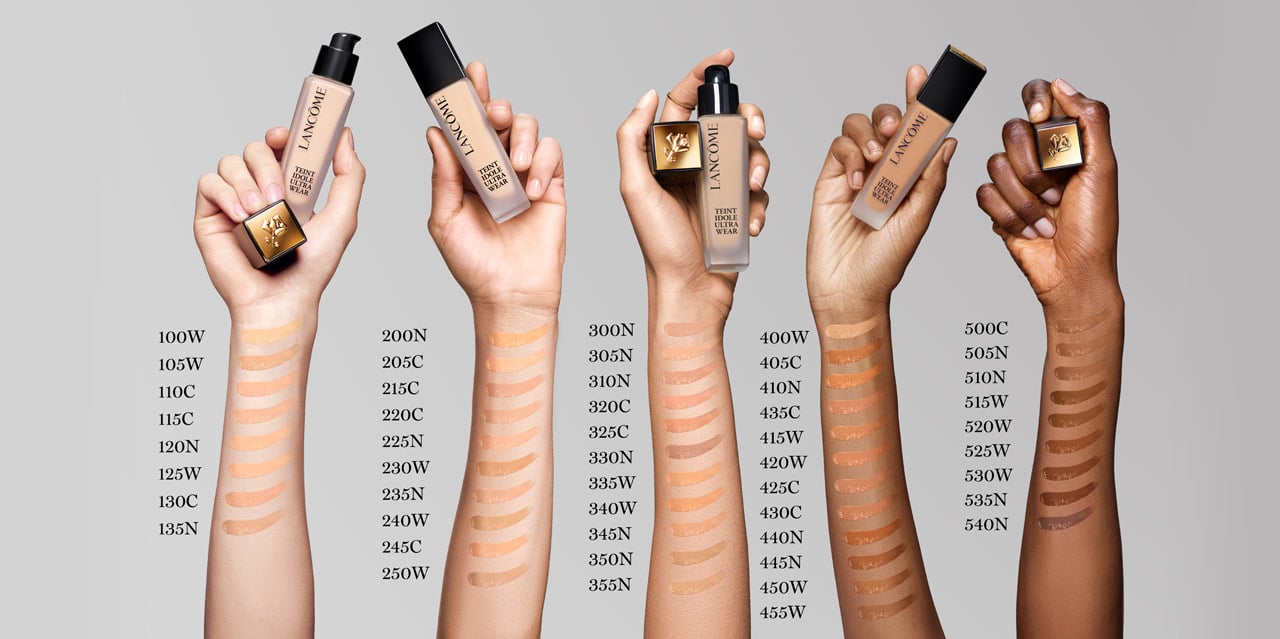
These brands are consistently praised for shade range and undertone accuracy:
- Fenty Beauty Pro Filt’r: 50 shades with distinct undertone categories. One of the most inclusive ranges available and highly accurate for medium-deep to deep skin tones.
- MAC Studio Fix: Clear undertone labeling (NC = warm, NW = cool). Reliable for cross-referencing shades across other brands.
- NARS Natural Radiant Longwear: Excellent for dry and combination skin; accurate satin finish that doesn’t skew undertones.
- Maybelline Fit Me: One of the most accessible drugstore options with wide undertone variety.
- Rare Beauty Liquid Touch: Lightweight formula with honest shade descriptions; dewy finish that works well on mature and dry skin.
Quick Shade Decision Guide
Should you go lighter or darker?
- Going to an indoor event, doing Zoom calls, want a natural everyday look → go lighter or match exactly
- Spending time outdoors, doing photography, have a tan → go darker or match your tanned tone
- Between shades → go lighter + use bronzer to warm up
- Trying to hide dark spots → match exactly + use color corrector underneath
- Using as contour → go 1–2 shades darker, apply targeted
- Have oily skin prone to oxidation → go slightly lighter to account for shift
- Aging skin, want to look fresh → match exactly, choose dewy finish over lighter shade
Final Answer: Should Foundation Be Lighter or Darker?
Foundation should match your skin tone as closely as possible — ideally within one shade in either direction. The most flattering foundation isn’t lighter or darker than your skin. It’s the one that disappears into it.
When in doubt:
- Swatch at the jawline, not the wrist or inner arm
- Check in natural daylight
- Wait for oxidation before deciding
- Match to your neck, not your face
Lighter and darker foundations have their place — for contouring, seasonal changes, and intentional effects. But your everyday foundation shade should be invisible. That’s the real goal.

- Top 10 Best Lawn Mower Lift Jack 2026 - August 28, 2026
- Top 10 Best Lawn Mower Jump Starter 2026 - August 28, 2026
- Top 10 Best Lawn Mower Jokes 2026 - August 28, 2026