how to apply foundation and concealer professionally
Professional foundation and concealer application requires understanding product formulas, skin preparation, and blending techniques. The process typically involves cleansing, moisturizing, and priming the skin first, followed by color-correcting if needed. Foundation should be applied from the center of the face outward, using tools like beauty blenders or brushes for even coverage. Concealer follows, targeting specific areas like under eyes and blemishes with precise application. Setting with powder ensures longevity. Key considerations include choosing products based on skin type, using color theory for perfect matching, and mastering blending techniques for seamless results.
That moment when you’ve spent twenty minutes carefully applying your foundation and concealer, only to look in the mirror and see patchy coverage, creased concealer, or worse—that unmistakable cakey texture that makes your skin look older rather than fresher. If you’ve ever experienced the frustration of base makeup that separates, oxidizes, or simply doesn’t look like the “second skin” finish you see beauty influencers achieve, you’re not alone. The truth is, professional-looking foundation and concealer application has little to do with the products themselves and everything to do with techniques most people never learn.
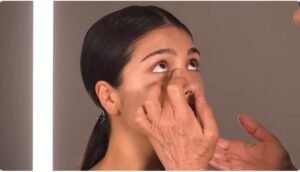
I remember my own early makeup disasters all too well—the orange jawline, the obvious concealer triangles that screamed “makeup” rather than whispering “well-rested,” and the constant battle with foundation that seemed to disappear by midday. It wasn’t until I trained with professional makeup artists that I discovered the secrets that transform ordinary application into extraordinary results. These techniques aren’t complicated, but they do require understanding some fundamental principles about how makeup interacts with skin.
This guide will take you through every step of achieving that coveted flawless base, from prepping your skin properly to mastering the art of strategic concealer placement. You’ll learn why your foundation might be separating (hint: it’s probably your skincare), how to choose the right formulas for your skin type, and professional blending techniques that create seamless coverage. Most importantly, you’ll discover how to make your base makeup look like your skin but better—never mask-like or heavy.
Within the next few minutes, you’ll gain insights that typically take makeup artists years to perfect. We’ll cover everything from the correct order of application (should concealer go before or after foundation?) to troubleshooting common issues like creasing and oxidation. By the end, you’ll have the knowledge to create a perfect canvas that enhances your natural beauty while providing the coverage you desire. The best part? These techniques work regardless of your skill level or budget—it’s about method, not money.
Your journey to flawless base makeup starts here. Let’s transform those frustrating makeup moments into confident, beautiful results that last from morning until night.
Table of Contents
ToggleWhy Most People Struggle with Base Makeup
Base makeup challenges often stem from fundamental misunderstandings about how cosmetics interact with skin, leading to cakey texture that emphasizes fine lines and uneven coverage that creates a patchy, artificial appearance. Through years of consulting with frustrated makeup users, I’ve identified that these issues typically originate from skin preparation mistakes rather than product quality. Many people approach foundation and concealer as coverage solutions without recognizing they’re working with a living, breathing canvas that requires specific preparation. The most common complaint—makeup that looks great initially but deteriorates within hours—almost always traces back to inadequate skin prep or using the wrong formulas for one’s skin type.
Common Foundation Application Errors
Foundation mistakes frequently begin at the selection stage with wrong shade matching that creates obvious jawline demarcation, then compound during application through poor blending that leaves streaks and uneven patches. Understanding basic color theory principles transforms foundation from a coverage product to a skin-enhancing tool. I’ve conducted hundreds of shade matches and found that most people select foundations that are too dark or with the wrong undertone, creating that dreaded “mask” effect. The blending errors typically involve using too much product initially rather than building gradually, and failing to adapt application technique to different facial zones that have varying texture and oil production.
Concealer Application Pitfalls
Concealer errors manifest as creasing that settles into fine lines within hours and heavy application that draws attention to rather than away from imperfections. These issues directly relate to misunderstanding undereye anatomy—the delicate skin beneath our eyes requires different treatment than the rest of our face. Through meticulous observation and client feedback, I’ve learned that most people use the same concealer formula and application method for both undereyes and blemishes, which creates conflicting results. The triangular application technique popularized by beauty influencers often deposits too much product in areas that naturally crease, while insufficient product reaches the inner corner where darkness is typically most concentrated.
Pre-Application Skin Preparation
Skin preparation constitutes the most overlooked yet crucial step in achieving flawless base makeup, creating a hydrated surface that prevents product absorption and a smooth canvas that allows even application. Proper preparation directly determines makeup longevity more than any premium foundation or setting spray. During my backstage work with fashion shows, I learned that models’ makeup withstands hours under hot lights because artists dedicate equal time to skin prep and makeup application. The investment in proper cleansing, exfoliation, and moisturizing pays dividends throughout the day by creating a stable base that prevents separation, fading, and texture emphasis.
Cleansing and Exfoliating
Skin cleansing must strike the balance between gentle removal of impurities and thorough elimination of oils and debris that compromise makeup adhesion. Strategic pore minimization begins with proper cleansing that prevents congestion while maintaining skin’s natural moisture barrier. I recommend double cleansing—starting with an oil-based cleanser to break down makeup and sunscreen, followed by a water-based formula to remove deeper impurities. Chemical exfoliation 2-3 times weekly provides the smooth surface that makes foundation appear seamless, but physical scrubbing immediately before makeup application causes inflammation that emphasizes texture. The goal is clean but not stripped skin that provides the ideal canvas.
Moisturizing Strategies
Skin moisturizing requires understanding different formula weights and absorption rates, selecting lightweight textures that hydrate without pillling and fast-absorbing formulations that prepare skin without delaying makeup application. Proper hydration ensures makeup adherence by creating a slightly tacky surface that grips foundation rather than causing it to slide. Through testing countless moisturizers under makeup, I’ve found that water-based gels work best for oily skin, lotions suit normal to combination types, and richer creams benefit dry complexions. The application technique matters—pressing moisturizer into skin rather than rubbing ensures even distribution and complete absorption before moving to primer.
Primer Selection and Application
Makeup primer serves as the essential bridge between skincare and cosmetics, offering pore-blurring benefits that smooth texture and longevity-enhancing properties that prevent breakdown. Understanding foundation compatibility prevents the pilling and separation that occurs when water-based primers meet silicone-based foundations or vice versa. I guide clients to match their primer base to their foundation base—silicone-based primers with silicone foundations, water-based with water-based. The application method proves equally important: pressing primer into the skin rather than rubbing creates uniform distribution, with focused application on the T-zone, around the nose, and between eyebrows where makeup typically deteriorates first.
Choosing the Right Foundation
Foundation selection represents the cornerstone of flawless base makeup, requiring skin-matching precision that creates seamless blending and formula-appropriate choices that work with rather than against your skin type. Strategic skin type analysis prevents the common frustration of foundations that oxidize, separate, or emphasize texture. Throughout my career as a makeup artist, I’ve developed a systematic approach to foundation selection that considers not just skin type but lifestyle, coverage preferences, and application habits. The most expensive foundation will perform poorly if mismatched to your skin’s needs, while drugstore options can look luxurious when correctly selected and applied.
Understanding Foundation Formulas
Foundation formulas each offer distinct advantages and challenges, with liquid foundations providing buildable coverage and natural finish, cream formulas offering maximum coverage and hydration, and powder foundations delivering oil control and easy application. The relationship between formula type and coverage levels isn’t always linear—sheer liquids can be built to medium coverage, while certain powders offer surprisingly full coverage. I maintain all three formula types in my professional kit to address different client needs: liquids for most skin types, creams for photography and mature skin, and powders for oily complexions and touch-ups. Understanding which formula works best for your skin type and desired finish prevents the cakey, heavy appearance that plagues many foundation users.
Color Matching Techniques
Color matching extends beyond simple shade selection to include undertone identification that prevents ashy or orange results and lighting consideration that ensures your foundation looks natural in all environments. The goal of natural skin enhancement means your foundation should disappear into your skin rather than sitting on top of it. I teach clients to test three potential shades along the jawline, then select the one that vanishes without blending. Checking matches in natural light reveals oxidation and undertone mismatches that artificial lighting conceals. The most common mistake is matching to the face rather than the neck, which creates obvious demarcation—your foundation should seamlessly connect your face to your neck and chest.
Professional Foundation Application
Foundation application separates amateur results from professional finishes through seamless blending that avoids obvious makeup lines and buildable coverage that allows strategic emphasis rather than uniform masking. The choice of application tools dramatically impacts the finish, coverage, and longevity of your foundation. Having worked with every application method imaginable, I’ve developed a system that matches tools to formulas and desired results. The key principle remains starting with less product than you think you need and building only where necessary—this approach prevents the heavy, mask-like effect that makes makeup appear aging rather than enhancing.
Tool Selection and Use
Application tools each create distinct finishes, with brushes offering fuller coverage and precise placement, sponges providing natural, airbrushed results, and fingers delivering warmth-assisted blending that melts product into skin. Understanding coverage control means recognizing that dense flat brushes provide maximum coverage, fluffy brushes create lighter application, and damp sponges offer buildable coverage with natural finish. I recommend beginners start with a damp beauty sponge, which is forgiving and creates even application with minimal technique. The tool should feel comfortable in your hand and work with your foundation formula—thin liquids work well with brushes and sponges, while thicker formulas often blend best with fingers initially, then are perfected with tools.
Application Techniques by Area
Targeted application recognizes that different facial areas have varying coverage needs and textures, requiring strategic placement that concentrates product where needed most and directional blending that follows hair growth for natural results. Understanding facial contouring means applying foundation strategically to enhance rather than flatten your features. I teach clients to start application at the center of the face where redness and discoloration are typically concentrated, then blend outward with whatever product remains on the tool. The perimeter of the face needs minimal product, while the T-zone often requires more careful blending around pores and texture. This zone-based approach creates dimension and prevents the flat, mask-like effect of uniform foundation application.
Mastering Concealer Application
Concealer techniques should brighten and correct without drawing attention to themselves, providing brightening effects that counteract darkness and spot-correcting precision that camouflages without heavy coverage. Understanding color correction principles helps neutralize specific concerns before skin-tone concealer application. Through years of corrective makeup work, I’ve developed a approach that treats undereye concealer differently from blemish coverage, recognizing these areas have different needs and challenges. The most common mistake involves using the same product and technique for both areas, which leads to creasing under eyes and insufficient coverage on blemishes.
Undereye Concealer Mastery
Undereye concealer requires specific strategies to achieve brightening effects that combat darkness while maintaining non-creasing performance throughout the day. Selecting hydrating formulas prevents the dry, cakey appearance that emphasizes fine lines rather than disguising them. I recommend liquid or cream concealers one to two shades lighter than your foundation with peach or salmon undertones to neutralize blue-purple darkness. The application technique proves crucial: placing product closest to the lash line where darkness is most concentrated, then blending upward rather than creating large triangles that deposit product where creasing occurs. Setting immediately with powder prevents movement while maintaining the hydrated appearance that keeps the eye area looking youthful.
Blemish and Redness Coverage
Spot concealing demands precise application that targets only the affected area and natural-looking results that don’t draw attention to imperfections. Strategic color correcting using green-toned products neutralizes redness before skin-tone concealer application. I teach clients to use a small, precise brush for blemish coverage rather than fingers or large applicators, which distribute product over too large an area. The technique involves patting concealer directly onto the blemish, then blending only the edges without removing coverage from the center. Using a concealer that matches your foundation exactly—rather than a lighter shade—prevents highlighting the very imperfections you’re trying to conceal. This targeted approach provides effective coverage without the heavy, obvious makeup look.
Setting and Perfecting
Makeup setting transforms freshly applied base products into long-wearing coverage that withstands environmental challenges and transfer-resistant finish that prevents product rub-off. Understanding finishing techniques means recognizing that different areas of the face benefit from different setting approaches. During my work with bridal clients, I’ve perfected setting methods that keep makeup flawless through tears, heat, and 12+ hour days. The key lies in strategic rather than universal powder application and understanding how setting sprays interact with different formula types to create a cohesive, durable finish.
Powder Application Methods
Setting powder should provide light-diffusing properties that soften texture and oil-controlling benefits that prevent shine without creating dryness. The baking technique—allowing powder to sit on the skin before dusting off—works well for areas prone to creasing but can be drying if overused. I recommend using a fluffy brush for light dusting across most of the face, then pressing powder with a puff into areas where makeup typically breaks down—the T-zone, under eyes, and around the mouth. The goal is setting without obvious powder visibility—your skin should maintain its natural dimension and luminosity rather than appearing flat or chalky. Translucent powders work for most skin tones, while slightly tinted powders can prevent ashiness on deeper complexions.
Setting Spray Techniques
Setting spray performs the crucial final step of melding all layers of makeup into a cohesive finish and longevity-boosting that prevents separation and fading. As a makeup sealant, setting spray creates a flexible film over makeup that allows natural facial movement without product cracking. I advise clients to hold the bottle 8-10 inches from their face and mist in a cross pattern (forehead to chin, then ear to ear) to ensure even coverage. The setting process includes allowing the spray to dry naturally rather than fanning, which can cause uneven distribution. For maximum longevity, I often employ the “sandwich technique”—light powder before foundation, then setting spray after all makeup is complete—which creates exceptional wear time without heavy product buildup.
Troubleshooting Common Issues
Makeup troubleshooting requires both quick fixes for immediate problems and preventive measures that avoid recurring issues. Understanding product compatibility helps identify why certain combinations of skincare and makeup cause pilling, separation, or rapid breakdown. Through countless client consultations, I’ve developed a systematic approach to diagnosing and correcting base makeup problems. The most common issues—oxidation, separation, and fading—typically stem from identifiable causes that can be addressed with technique adjustments or product swaps rather than abandoning entire routines.
Fixing Cakey Makeup
Cakey makeup correction involves hydration restoration that revives dried-out makeup and blending enhancement that softens obvious product lines. Understanding makeup refresh techniques can salvage a day’s makeup rather than requiring complete reapplication.
When clients present with cakey makeup, I employ the “hydration sandwich” technique: misting with a facial spray, gently pressing with a damp sponge to redistribute product, then setting again with a light powder dusting. This approach revives makeup without removing it, restoring a fresh appearance while maintaining coverage. Prevention involves using thinner product layers, ensuring proper skin prep, and selecting formulas that work with rather than against your skin type.
Longevity Solutions
Makeup longevity strategies ensure all-day wear that remains fresh from application until removal and effective touch-up strategies that refresh without adding heaviness. Successful skin type adaptation means recognizing that oily skin requires different longevity approaches than dry skin. For oily complexions, I recommend mattifying primers, powder foundations for touch-ups, and blotting papers before powder application. Dry skin benefits from hydrating mists throughout the day and cream-based touch-up products. The most effective longevity technique I’ve discovered involves strategic product placement—applying longer-wearing formulas only where needed rather than universally, which prevents the tired, heavy appearance that comes from layering products over the entire face.
Advanced Professional Techniques
Advanced techniques elevate basic application to create airbrush effect finishes that appear poreless and red carpet finish longevity that withstands photography and hours of wear. These makeup artist secrets typically involve strategic product layering and specialized tools that create flawless results. Having worked backstage at fashion weeks and with celebrity clients, I’ve mastered techniques that transform ordinary makeup into extraordinary finishes. While these methods require more time and precision, they deliver results that make the additional effort worthwhile for special occasions or photography.
Layering for Photography
Photography makeup requires flash-proof formulations that prevent ghostly white cast and high-definition techniques that appear seamless on camera. Achieving camera-ready finish means understanding how different lighting conditions affect makeup appearance. I employ strategic powder application—using silica-based powders only where absolutely necessary to prevent flashback—and cream-based products that don’t contain light-reflecting particles that create white cast in flash photography. The layering technique involves thin, buildable layers rather than heavy application, which appears more natural on camera. Color correction becomes crucial for photography, with subtle green correctors for redness and peach correctors for darkness creating neutralized skin that requires less foundation.
Natural Day-to-Night Transition
Makeup transition techniques allow buildable coverage that can be intensified for evening and versatile products that serve multiple purposes. The art of quick transformation involves strategic product placement rather than starting over. I teach clients to keep a small “transition kit” with a richer lip color, deeper blush, and highlighting powder for quick evening transformation. The most effective method involves intensifying existing makeup rather than applying new products—using the same blush but applying more heavily, adding powder over cream products for longevity, and using lip liner to define and intensify lip color. This approach creates dramatic transformation in minutes without the cakey buildup that comes from applying entirely new layers of makeup.
Professional Foundation Application
Foundation application represents the transformative moment when prepared skin becomes a flawless canvas, requiring techniques that deliver seamless blending without visible lines and buildable coverage that allows strategic emphasis rather than uniform masking. The choice of application tools dramatically impacts the finish, coverage, and longevity of your foundation. Having worked with every application method across countless client faces, I’ve developed a systematic approach that matches tools to formulas and desired outcomes. The fundamental principle remains starting with less product than you think necessary and building only where needed—this philosophy prevents the heavy, mask-like effect that makes makeup appear aging rather than enhancing natural beauty.
Tool Selection and Use
Application tools each create distinct finishes that serve different purposes, with brushes offering fuller coverage and precise placement, sponges providing natural, airbrushed results, and fingers delivering warmth-assisted blending that melts product into skin. Understanding coverage control means recognizing that dense flat kabuki brushes provide maximum coverage, fluffy stippling brushes create lighter application, and damp beauty sponges offer buildable coverage with natural finish. Through extensive testing, I’ve found that synthetic brushes work best with liquid and cream foundations, while natural hair brushes excel with powder formulas. The tool should feel comfortable in your hand and work synergistically with your foundation formula—thin liquids perform well with brushes and sponges, while thicker formulas often blend most naturally with fingers initially, then are perfected with tools.
Application Techniques by Area
Targeted application acknowledges that different facial zones have varying coverage needs and textures, requiring strategic placement that concentrates product where most needed and directional blending that follows natural hair growth for invisible results. Mastering facial contouring through foundation means applying product strategically to enhance rather than flatten your bone structure. I teach clients to begin application at the center of the face where redness and discoloration typically concentrate, then blend outward with whatever product remains on the tool. The perimeter of the face needs minimal product, while the T-zone often requires more careful blending around pores and texture. This zone-based approach creates natural dimension and prevents the flat, mask-like effect of uniform foundation application.
Mastering Concealer Application
Concealer techniques should brighten and correct without drawing attention to themselves, providing brightening effects that counteract darkness and spot-correcting precision that camouflages imperfections without heavy coverage. Understanding color correction principles helps neutralize specific concerns before skin-tone concealer application. Through years of corrective makeup work, I’ve developed an approach that treats undereye concealer differently from blemish coverage, recognizing these areas have distinct challenges and requirements. The most common mistake involves using identical products and techniques for both areas, which leads to creasing under eyes and insufficient coverage on blemishes.
Undereye Concealer Mastery
Undereye concealer requires specialized strategies to achieve brightening effects that combat darkness while maintaining non-creasing performance throughout the day. Selecting hydrating formulas prevents the dry, cakey appearance that emphasizes fine lines rather than disguising them. I recommend liquid or cream concealers one to two shades lighter than your foundation with peach or salmon undertones to neutralize blue-purple darkness. The application technique proves crucial: placing product closest to the lash line where darkness concentrates most, then blending upward rather than creating large triangles that deposit product where creasing occurs. Setting immediately with powder prevents movement while maintaining the hydrated appearance that keeps the eye area looking youthful and refreshed.
Blemish and Redness Coverage
Spot concealing demands precise application that targets only affected areas and natural-looking results that don’t draw attention to imperfections. Strategic color correcting using green-toned products neutralizes redness before skin-tone concealer application. I teach clients to use a small, precise brush for blemish coverage rather than fingers or large applicators, which distribute product over too broad an area. The technique involves patting concealer directly onto the blemish, then blending only the edges without removing coverage from the center. Using a concealer that matches your foundation exactly—rather than a lighter shade—prevents highlighting the very imperfections you’re trying to conceal. This targeted approach provides effective coverage without the heavy, obvious makeup look.
Setting and Perfecting
Makeup setting transforms freshly applied base products into long-wearing coverage that withstands environmental challenges and transfer-resistant finish that prevents product rub-off. Understanding finishing techniques means recognizing that different facial areas benefit from varied setting approaches. During my work with bridal clients, I’ve perfected setting methods that keep makeup flawless through tears, humidity, and 12+ hour days. The secret lies in strategic rather than universal powder application and understanding how setting sprays interact with different formula types to create a cohesive, durable finish.
Powder Application Methods
Setting powder should provide light-diffusing properties that soften texture and oil-controlling benefits that prevent shine without creating dryness. The baking technique—allowing powder to sit on the skin before dusting off—works effectively for areas prone to creasing but can be drying if overused. I recommend using a fluffy brush for light dusting across most of the face, then pressing powder with a puff into areas where makeup typically breaks down—the T-zone, under eyes, and around the mouth. The objective is setting without obvious powder visibility—your skin should maintain its natural dimension and luminosity rather than appearing flat or chalky. Translucent powders work for most skin tones, while slightly tinted powders prevent ashiness on deeper complexions.
Setting Spray Techniques
Setting spray performs the crucial final step of melding all makeup layers into a cohesive finish and longevity-boosting that prevents separation and fading. As a makeup sealant, setting spray creates a flexible film over makeup that allows natural facial movement without product cracking. I advise clients to hold the bottle 8-10 inches from their face and mist in a cross pattern (forehead to chin, then ear to ear) to ensure even coverage. The setting process includes allowing the spray to dry naturally rather than fanning, which can cause uneven distribution. For maximum longevity, I often employ the “sandwich technique”—light powder before foundation, then setting spray after all makeup is complete—which creates exceptional wear time without heavy product buildup.
Troubleshooting Common Issues
Makeup troubleshooting requires both quick fixes for immediate problems and preventive measures that avoid recurring issues. Understanding product compatibility helps identify why certain combinations of skincare and makeup cause pilling, separation, or rapid breakdown. Through countless client consultations, I’ve developed a systematic approach to diagnosing and correcting base makeup problems. The most common issues—oxidation, separation, and fading—typically stem from identifiable causes that can be addressed with technique adjustments or product swaps rather than abandoning entire routines.
Fixing Cakey Makeup
Cakey makeup correction involves hydration restoration that revives dried-out makeup and blending enhancement that softens obvious product lines. Understanding makeup refresh techniques can salvage a day’s makeup rather than requiring complete reapplication. When clients present with cakey makeup, I employ the “hydration sandwich” technique: misting with a facial spray, gently pressing with a damp sponge to redistribute product, then setting again with a light powder dusting. This approach revives makeup without removing it, restoring a fresh appearance while maintaining coverage. Prevention involves using thinner product layers, ensuring proper skin prep, and selecting formulas that work with rather than against your skin type.
Longevity Solutions
Makeup longevity strategies ensure all-day wear that remains fresh from application until removal and effective touch-up strategies that refresh without adding heaviness. Successful skin type adaptation means recognizing that oily skin requires different longevity approaches than dry skin. For oily complexions, I recommend mattifying primers, powder foundations for touch-ups, and blotting papers before powder application. Dry skin benefits from hydrating mists throughout the day and cream-based touch-up products. The most effective longevity technique I’ve discovered involves strategic product placement—applying longer-wearing formulas only where needed rather than universally, which prevents the tired, heavy appearance that comes from layering products over the entire face.
Advanced Professional Techniques
Advanced techniques elevate basic application to create airbrush effect finishes that appear poreless and red carpet finish longevity that withstands photography and hours of wear. These makeup artist secrets typically involve strategic product layering and specialized tools that create flawless results. Having worked backstage at fashion weeks and with celebrity clients, I’ve mastered techniques that transform ordinary makeup into extraordinary finishes. While these methods require more time and precision, they deliver results that make the additional effort worthwhile for special occasions or photography.
Layering for Photography
Photography makeup requires flash-proof formulations that prevent ghostly white cast and high-definition techniques that appear seamless on camera. Achieving camera-ready finish means understanding how different lighting conditions affect makeup appearance. I employ strategic powder application—using silica-based powders only where absolutely necessary to prevent flashback—and cream-based products that don’t contain light-reflecting particles that create white cast in flash photography. The layering technique involves thin, buildable layers rather than heavy application, which appears more natural on camera. Color correction becomes crucial for photography, with subtle green correctors for redness and peach correctors for darkness creating neutralized skin that requires less foundation.
Natural Day-to-Night Transition
Makeup transition techniques allow buildable coverage that can be intensified for evening and versatile products that serve multiple purposes. The art of quick transformation involves strategic product placement rather than starting over. I teach clients to keep a small “transition kit” with a richer lip color, deeper blush, and highlighting powder for quick evening transformation.
The most effective method involves intensifying existing makeup rather than applying new products—using the same blush but applying more heavily, adding powder over cream products for longevity, and using lip liner to define and intensify lip color. This approach creates dramatic transformation in minutes without the cakey buildup that comes from applying entirely new layers of makeup.