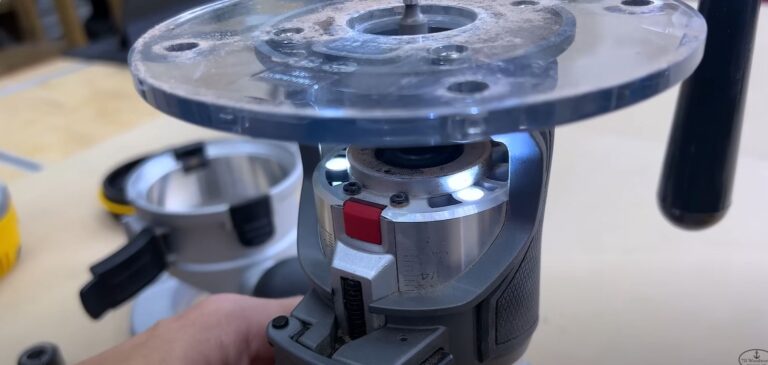
5 Best Small Router for Woodworking: Top Picks and Buying Guide
A small router, often called a palm router or compact router, is a powerhouse in a tiny package. It’s an essential tool for any woodworker, from seasoned professionals to weekend hobbyists.
Unlike their larger, full-size counterparts, small routers are incredibly lightweight and easy to handle, giving you superior control for detailed and precise work.
Small routers are ideal for a variety of tasks where a larger tool would be clumsy or impractical. They excel at trimming laminate, rounding over edges, cutting small decorative profiles, and carving intricate designs.
While a full-size router is a workhorse for deep cuts and large joinery, a small router is your go-to for speed, precision, and finesse. They are perfect for projects like building small furniture, creating custom frames, or doing detailed inlay work.
How We Tested the Small Routers
To provide you with the most reliable recommendations, we went beyond manufacturer specs and put each of these small routers through a series of hands-on tests. We evaluated them based on the criteria that matter most to real woodworkers.
- Power and Speed: We tested each router’s motor using different materials, including pine, oak, and plywood. We assessed how well each tool maintained speed under load and checked for any signs of the motor bogging down on deeper cuts. We made sure to test the variable speed controls to ensure they were responsive and accurate for different types of bits and wood species.
- Precision: A key benefit of a small router is its precision. We checked for run-out, which is any wobble in the spinning bit. The less wobble, the cleaner the cut. We also tested the depth adjustment mechanisms, checking for smooth, easy-to-use systems that allowed for fine, accurate changes.
- Ease of Use: A tool that’s comfortable to use is one you’ll enjoy using more. We evaluated the ergonomics of each router, assessing its weight, balance, and grip. We also timed how long it took to change a bit and swap bases to see how user-friendly each model was in a real-world setting.
- Accessories and Bits: We considered the value of the included accessories and bits. We checked the quality of the included guides, wrenches, and carry cases. For models that came with a starter bit set, we tested the quality of the bits on a variety of materials.
- Safety: We paid close attention to each router’s safety features, such as the location of the power switch, soft-start technology, and the stability of the base.
1. Compact Palm Router with 32,000 RPM

This router is a fantastic option for those who need high speed in a small, easy-to-handle package. It’s a versatile and powerful tool that’s perfect for a wide range of detailed tasks, from trimming to creating intricate joinery. Its lightweight design and high-speed motor make it a joy to use for extended periods.
Specs Table
Key Features
- High-Speed Motor: With a top speed of 32,000 RPM, this router can handle delicate cuts with incredible smoothness, leaving a clean finish and preventing tear-out on softer woods. The variable speed dial gives you full control.
- Ergonomic Grip: The router’s slim body and textured rubber grip fit comfortably in your hand, allowing for one-handed operation and precise control. This is a huge benefit for small, intricate projects where a bulky tool would be a hindrance.
- Accessory Kit: The included accessories, such as the edge guide, straight guide, and a set of 10 starter bits, provide excellent value and allow you to get to work right out of the box.
- LED Work Lights: The built-in LED lights illuminate your work area, providing a clear, shadow-free view of your cut line.
Pros & Cons
- Pros:
- Excellent value for the price.
- Very high top speed for smooth cuts.
- Comfortable and lightweight design.
- Comes with useful accessories to get you started.
- Cons:
- The included bits are a good starting point but may not be of professional quality.
- Less powerful than a mid-size router for very deep cuts in hardwood.
Best Uses
This router is ideal for trimming laminate, edging, and any project that requires high precision and maneuverability. It is a fantastic tool for beginners and a reliable secondary router for experienced woodworkers.
Price and Availability
This model is available at a very competitive price point, making it a great entry-level option for anyone looking for a powerful and versatile compact router.
2. BOSCH PR20EVS Colt Variable-Speed Palm Router

The Bosch PR20EVS Colt is a well-respected name in the woodworking community. Known for its durable build and reliable performance, this palm router is a true workhorse. It offers a perfect balance of power, control, and user-friendly features that make it a go-to for professionals and serious hobbyists alike.
Specs Table
- Electronic Constant Response Circuitry: This is a standout feature. It monitors the speed under load and automatically adds power to maintain a constant RPM, which results in a consistent, clean cut every time, even when cutting through dense material.
- Quick-Clamp System: The quick-clamp lever allows for fast and easy coarse depth adjustments and base changes. It’s a simple yet highly effective system that saves you time and frustration.
- Soft Start Motor: The soft start feature eliminates the initial kickback when you turn on the router, giving you more control from the very beginning of your cut.
- Clear Sub-base: The clear base provides excellent visibility of your work, allowing you to see your cut line and ensuring greater accuracy.
Pros & Cons
- Pros:
- Highly reliable and durable.
- Excellent speed consistency under load.
- Ergonomic design with a comfortable grip.
- The quick-clamp system is incredibly convenient.
- Cons:
- More expensive than budget-friendly brands.
- No included bits or a carrying case.
Best Uses
This is the ideal router for fine detailing, hobby woodworking, and template routing. Its speed consistency and reliable performance make it a favorite for professionals who need a dependable palm router for everyday use.
Price and Availability
The Bosch Colt is a premium option in the compact router category. While it is more expensive, its reputation for durability and consistent performance makes it a worthwhile investment.
3. DOBETTER 6.5 Amp 1.25 HP Wood Router

For those on a budget who don’t want to compromise on power, the DOBETTER compact router is a standout choice. This fixed-base router offers a surprisingly robust motor and a comprehensive accessory kit, making it an excellent all-in-one package for beginners and DIY enthusiasts.
Specs Table
- Powerful Motor: The 1.25 HP motor provides more than enough power to handle a variety of tasks, from routing grooves to creating decorative edges on soft and medium-density wood.
- Variable Speed: The variable speed dial allows you to match the speed to the material, preventing burning and ensuring a clean cut. The range is more than adequate for most hobbyist projects.
- Included Accessory Kit: This router comes with a remarkable set of accessories, including multiple collets, an edge guide, and a starter set of 12 bits, providing incredible value for the money.
- Durable Fixed Base: The fixed-base design is simple and sturdy, making it a great choice for use in a small router table or for tasks where consistent depth is needed.
Pros & Cons
- Pros:
- Excellent value with a complete accessory kit.
- Powerful motor for its price point.
- Easy to set up and use for beginners.
- Cons:
- The quality of the included bits and guides is good for starting but may not be as high as premium brands.
- The depth adjustment can be a bit coarse.
Best Uses
This is the perfect router for DIY woodworking projects, small furniture, and trim work. It’s a great first router for anyone just starting out, as it comes with everything you need to get going.
Price and Availability
The DOBETTER router is one of the most affordable options on our list. It offers an incredible amount of value for its price, making it a no-brainer for budget-conscious woodworkers.
4. DEWALT DW660 Compact Router

The DEWALT DW660 is a durable and straightforward compact router. Known for its rugged build and reliable performance, this fixed-base router is a classic choice for a dedicated role in the workshop or for use on the go. Its simplicity and robust construction are its biggest strengths.
Specs Table
Key Features
- Powerful Fixed-Speed Motor: The 1.25 HP motor provides plenty of power for most routing tasks. Its fixed speed of 16,000 RPM is a good all-around speed that works well for a variety of bits and materials.
- Lightweight and Ergonomic: Weighing just over 4 pounds, this router is easy to handle and control. Its slim body and comfortable grip reduce user fatigue, especially on repetitive tasks.
- Precise Depth Adjustment: The rack-and-pinion depth adjustment system allows for highly accurate settings. It’s a smooth and reliable way to make precise cuts.
Pros & Cons
- Pros:
- Extremely durable and reliable.
- Lightweight and easy to handle.
- Smooth and precise depth adjustment.
- Affordable for a brand-name tool.
- Cons:
- The lack of variable speed limits its versatility with certain materials and bit sizes.
- No included accessories or bits.
Best Uses
This router is a fantastic choice for tasks where a consistent speed and depth are needed, such as cabinet doors, edging, and simple grooves. Its lightweight design also makes it ideal for use with templates and jigs.
Price and Availability
The DEWALT DW660 is a budget-friendly option from a trusted brand. Its simple design and reliable performance make it a great investment for those who don’t need the bells and whistles of a variable-speed router.
5. Makita RT0701C 1-1/4 HP Compact Router

The Makita RT0701C is a favorite among professionals for its outstanding ergonomics, versatility, and quiet operation. This router is part of a system that can be used with a variety of optional bases, making it one of the most adaptable tools on the market.
Specs Table
- Electronic Speed Control: This router maintains a constant speed under load, just like the Bosch. This feature is crucial for consistent, professional-grade results, especially when cutting through knots or dense grain.
- Versatile Design: While it comes with a fixed base, this router can be easily converted into a plunge router, a tilting base, or an offset base with optional accessories. This adaptability makes it a single tool that can handle a wide variety of tasks.
- Ergonomic Design: The slim body and lightweight construction make this router easy to hold and maneuver, which is a huge plus for comfort and control.
- Smooth Operation: The motor is known for its quiet and smooth operation, with minimal vibration, making it a pleasure to use for extended periods.
Pros & Cons
- Pros:
- Extremely versatile with optional bases.
- Excellent ergonomics and comfortable to use.
- Quiet and smooth operation.
- Maintains speed under load.
- Cons:
- Getting all the different bases and accessories can be expensive.
- No included bits or a carry case.
Best Uses
The Makita RT0701C is perfect for general woodworking, trim work, and DIY projects where precision and a wide range of tasks are needed. It’s an ideal choice for professionals who are looking for a highly versatile and dependable compact router.
How to Choose the Best Small Router
Selecting the right small router for your needs can be tough, but by focusing on a few key factors, you can make a choice that you’ll be happy with for years.
- Motor Power and RPM: Most compact routers fall in the 1 to 1.25 HP range. This is more than enough power for most tasks. Look for a model with a variable speed control. This allows you to match the speed of the bit to the material you’re cutting, which is crucial for preventing burning and tear-out.
- Fixed-Base vs. Plunge vs. Palm:
- A palm router is typically a small, fixed-base router with a slim, ergonomic body that you hold with one hand, like the Bosch Colt.
- A fixed-base router is set at a single depth, perfect for edge work and use in a router table.
- A plunge router allows you to plunge the bit into the middle of a board. A combo kit that includes both a fixed and plunge base gives you the most versatility.
- Collet Size and Bit Compatibility: Most small routers have a 1/4-inch collet, which is the standard size for compact router bits. Some models also come with an 1/8-inch collet or an adapter, which is useful for very small detail bits. Make sure the router you choose has the right collet for your needs.
- Weight, Ergonomics, and Comfort: Since small routers are often used one-handed, their weight and balance are critical. Look for a model that feels comfortable in your hand and has a good grip. Less weight and better ergonomics mean less fatigue during long projects.
- Price and Warranty: Compact routers range from budget-friendly to premium models. Consider your budget and the type of work you’ll be doing. A good warranty from a reputable brand can give you peace of mind.
Tips for Using a Small Router Effectively
- Wear Safety Gear: Always wear safety goggles, ear protection, and a dust mask. These small routers are surprisingly loud, and dust can be a major issue.
- Secure Your Workpiece: Always clamp your wood securely to your workbench. A shifting workpiece can be dangerous and will ruin your cut.
- Feed the Router Correctly: Always feed the router into the wood against the direction of the bit’s rotation. This provides a smoother cut and gives you more control.
- Take Shallow Passes: Instead of trying to make one deep cut, make multiple shallow passes. This puts less strain on the router and the bit, which helps prevent burning and tear-out.
- Maintain Router Bits: Always use sharp bits. A dull bit will not only produce a poor-quality cut but can also lead to more heat and stress on the router’s motor.
Common Mistakes to Avoid with Small Routers
- Using the Wrong Speed: Not adjusting the variable speed for the material or bit size is a common mistake. Too fast and you’ll burn the wood; too slow and you’ll get tear-out.
- Not Clamping Properly: Failing to secure your workpiece is a recipe for disaster. Always take the time to clamp it down firmly.
- Overheating the Motor: Pushing the router too hard on deep cuts or running it continuously at a low speed can cause the motor to overheat. Make multiple shallow passes and let the motor rest between long cuts.
- Improper Bit Installation: Always insert the bit fully into the collet, then back it out slightly before tightening. Never tighten the collet without a bit installed.
FAQs About Small Wood Routers
- What is the best router for beginners? A compact router with a variable speed control and a combo fixed/plunge base is a great choice for a beginner. It’s versatile and easy to handle.
- Can a small router handle deep cuts? While a small router can make a deep cut, it’s not ideal. It’s best to make a series of shallow passes to achieve the desired depth, as this puts less strain on the tool and produces a cleaner cut.
- How do I know which collet to use? You should use the collet that matches the shank size of your router bit. Most compact routers use a 1/4-inch collet, but some also accommodate 1/8-inch bits.
- What is the difference between a palm router and a compact router? The terms are often used interchangeably. A “palm router” typically refers to the smaller, one-handed models with a slim body, while “compact router” is a broader term that can include slightly larger models.
Conclusion
Investing in a good small router is one of the best decisions you can make for your woodworking hobby or business. These versatile tools offer a level of precision and control that’s unmatched by their larger counterparts. For the best all-around performance and versatility, we recommend the BOSCH PR20EVS for its reliable speed control and durable build, or the Makita RT0701C for its outstanding ergonomics and adaptable system.
If you’re on a budget, the DOBETTER compact router is an excellent choice that offers incredible value. For those who need a no-frills, dependable workhorse, the DEWALT DW660 is a great, affordable option. Ultimately, the best small router for you is the one that fits your project needs and feels comfortable in your hands.

- Polycarbonate Panels For Greenhouse Durable Options For Enhanced Growth 2026 - February 27, 2026
- 10 Best Organic Fertilizers for Winter Crops: The Complete Guide - February 23, 2026
- 10 Best Overwinter Fertilizers for Vegetable Garden in 2026 - February 23, 2026