5 Best Plants for Morning Shade and Afternoon Sun (Tested in My Own Garden)
The best plants for morning shade and afternoon sun are Hosta, Astilbe, Hydrangea, Heuchera (Coral Bells), and Daylily. All five are partial-shade perennials and flowering shrubs that tolerate cool, low-light mornings while still blooming, budding, or holding leaf color once direct afternoon sun arrives — a light pattern that causes scorch or stunted growth in plants bred strictly for full sun or full shade.
If you garden under a tree canopy, along a fence line, or in a side yard shadowed until noon, you already know the problem: most nursery tags assume consistent daily light, not a split pattern. “Morning shade, afternoon sun” — sometimes called a part-shade or dappled-light exposure — is its own microclimate. It took me three growing seasons and a few dead hydrangeas to land on a list of shade-tolerant, sun-loving perennials that genuinely thrive in it. Below: what worked, what I’d buy again, the trade-offs of each plant, and a short buying guide so you can shop with confidence.
1. Hosta — The Reliable Shade-Garden Foundation Plant

Hostas are a shade-loving perennial known for lush, heart-shaped foliage in green, blue-green, gold, and variegated patterns. As an ornamental groundcover and border plant, hosta tolerates morning shade and afternoon sun without dieback, typically reaching 1–3 feet tall with a 2–4 foot spread, and producing summer flower spikes that attract pollinators like hummingbirds.
My experience: I planted three blue-leaf hostas along a north-facing fence that only catches sun after 1 PM. They filled in by the second season with minimal intervention beyond an annual compost top-dressing. My only real issue was slug damage early on, which a copper tape barrier resolved.
Pros
- Extremely low-maintenance once established
- Wide variety of leaf colors and patterns for visual layering
- Tolerates a range of soil types if drainage is adequate
- Long-lived perennial; many cultivars come back stronger each year
Cons
- Highly attractive to slugs and snails
- Deer and rabbits will browse leaves if unprotected
- Blue-leaf varieties can fade slightly with too much direct afternoon sun
- Slow to establish in the first year
Buying guide: Choose a bare-root bundle or starter pots if you want to test several cultivars before committing to one section of the bed. Blue and gold-leaf varieties tend to hold color best with moderate (not intense) afternoon sun, while green varieties tolerate stronger afternoon exposure.
2. Astilbe — Feathery Color for Moist, Partly Shaded Beds

Astilbe is a moisture-loving perennial valued for its feathery flower plumes in white, pink, and red tones. It performs best in moist, well-drained soil paired with partial shade, making it one of the most dependable flowering perennials for a morning-shade, afternoon-sun exposure — provided soil moisture stays consistent.
My experience: Astilbe taught me that moisture matters more than light in this exposure. My first batch, planted in slightly dry soil, browned at the leaf tips by midsummer. Once relocated closer to a downspout and mulched, the plants filled in fully and never showed stress again.
Pros
- Vivid plume-style blooms add texture other shade perennials lack
- Performs well near downspouts, rain gardens, or naturally damp beds
- Deer- and rabbit-resistant
- Reliable repeat bloomer in the right conditions
Cons
- Needs consistently moist soil; dries out and browns quickly otherwise
- Shorter bloom window than Daylily or Hosta
- Can look sparse in its first season
Buying guide: Pair Astilbe with a drip irrigation kit or soaker hose — this is the single biggest factor in whether the plant thrives or struggles in a part-shade exposure. Mulching after planting also helps regulate soil moisture through hot afternoons.
3. Hydrangea (Dwarf/Compact Cultivars) — Big Blooms for a Tricky Light Pattern

Compact and dwarf hydrangea cultivars adapt well to containers or garden beds, producing large, showy flower heads and dense foliage even under mixed-light conditions. Full-size hydrangea varieties often struggle with direct afternoon sun, so sticking to dwarf or compact cultivars is the key distinction for this specific exposure.
My experience: I lost a full-size ‘Endless Summer’ hydrangea to afternoon wilt before switching to a dwarf cultivar grown in a large container, which I could reposition during heat waves. That container flexibility solved a problem the in-ground plant never could.
Pros
- Large, ornamental blooms in blue, pink, or white depending on soil pH
- Dwarf cultivars are container-friendly and portable
- Strong visual impact for foundation plantings
- Many varieties rebloom on new wood through fall
Cons
- Can wilt in intense or prolonged afternoon heat without enough moisture
- Bloom color is pH-sensitive and may require soil amendments
- Needs more consistent watering than Hosta or Daylily
- Full-size cultivars are generally unsuitable for strong afternoon sun
Buying guide: Choose a large, well-draining ceramic or resin planter (12+ inches) to give dwarf hydrangeas enough root room while keeping the option to move them during extreme heat. If color is a priority, check whether the cultivar’s bloom color responds to soil pH and buy an amendment kit accordingly.
4. Heuchera (Coral Bells) — Foliage Color That Intensifies in Afternoon Light
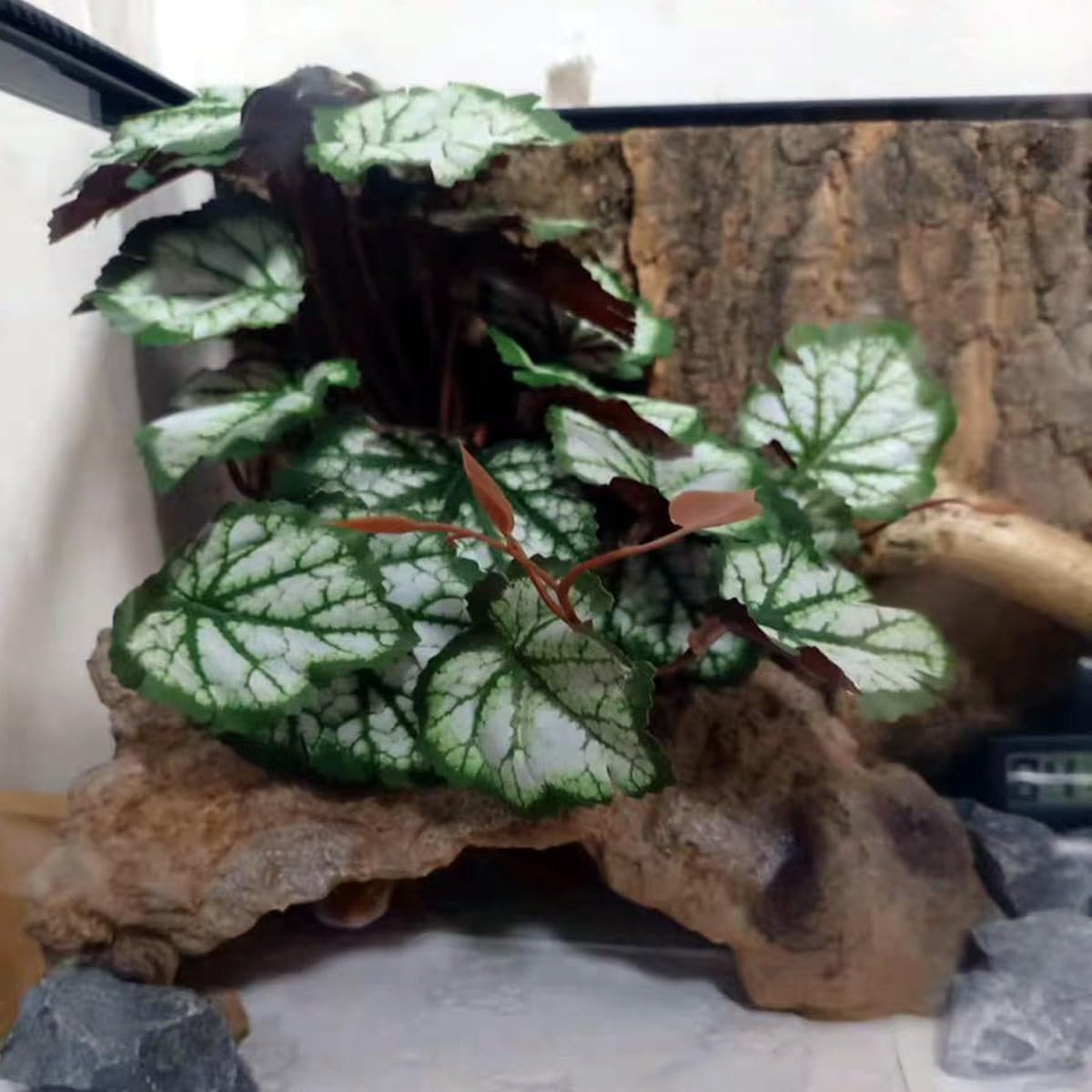
Heuchera, commonly called Coral Bells, is a compact, mounding perennial grown primarily for foliage color rather than flowers, ranging from deep purple and amber to lime green. Unlike many shade perennials, Heuchera specifically benefits from afternoon sun to keep that pigmentation vibrant — too much shade and the leaves fade toward a flatter green.
My experience: This was the surprise standout in my garden. I expected Heuchera to stay background filler, but the afternoon sun made the purple cultivars glow by midsummer, and the plants held their shape through a mild winter with no dieback.
Pros
- Foliage color holds interest even outside bloom season
- Compact size fits borders, containers, and edging
- Evergreen or semi-evergreen in milder climates
- Low water needs once established
Cons
- Can develop leaf scorch if afternoon sun is too intense or soil is dry
- Crown rot risk in poorly drained soil
- Color vibrancy varies by cultivar, so results aren’t always predictable
Buying guide: Use a slow-release granular fertilizer formulated for perennials to support leaf color through the growing season without overfeeding. Darker-leaved cultivars (deep purple, near-black) typically hold pigment best with moderate afternoon sun rather than intense, unfiltered exposure.
5. Daylily (Hemerocallis) — The Low-Maintenance Workhorse

Daylilies are hardy, clump-forming perennials with long, narrow foliage and colorful trumpet-shaped blooms from midsummer into early fall. They’re generally rated for morning sun with partial afternoon shade, but in practice they’re flexible enough to perform well in a morning-shade, afternoon-sun exposure too, especially once established, reaching up to 5 feet tall depending on cultivar.
My experience: Daylilies are the plant I recommend to anyone who wants reliable color without fuss. Mine receive afternoon sun only and still bloom consistently every July, with almost no pest or disease pressure across four growing seasons.
Pros
- Extremely low-maintenance and drought-tolerant once established
- Wide color range and bloom timing across cultivars
- Naturalizes and spreads, filling in beds or slopes over time
- Minimal pest and disease issues compared to other flowering perennials
Cons
- Individual blooms last only one day (though plants produce many in succession)
- Can become invasive or crowd neighboring plants if not divided periodically
- Less dramatic foliage interest compared to Hosta or Heuchera
Buying guide: A mixed-color daylily bulb (technically rhizome) pack is the most economical way to trial several cultivars and identify which bloom times and colors perform best in your specific exposure before committing to a larger mass planting.
Why Morning Shade + Afternoon Sun Is a Unique Growing Condition
Morning shade keeps soil temperature low and slows moisture evaporation, protecting tender new growth and broad leaves from early scorch. Afternoon sun then supplies the four to six hours of brighter, more direct light that most flowering perennials and ornamental shrubs need to set buds, deepen leaf pigment, and sustain photosynthesis. Garden centers often label these plants “partial shade” or “partial sun,” but that classification doesn’t always specify which half of the day the sun should fall in. A plant rated for partial sun may still scorch in hot afternoon exposure even though it would be perfectly happy with the same number of sun hours in the cooler morning. The five plants below are confirmed to tolerate afternoon-specific sun, not just partial sun in general — an important distinction for anyone shopping by light requirement rather than by plant name alone.
At-a-Glance Comparison Table
| Plant | Light Tolerance | Height | Bloom Season | Best For | Maintenance Level |
|---|---|---|---|---|---|
| Hosta | Morning shade, light–moderate afternoon sun | 1–3 ft | Summer | Shaded borders, woodland beds | Low |
| Astilbe | Morning shade, moist afternoon sun | 1–3 ft | Early–mid summer | Damp soil, woodland edges | Medium (moisture-dependent) |
| Hydrangea (dwarf/compact) | Morning shade, moderate afternoon sun | 2–4 ft | Summer–fall | Containers, foundation beds | Medium |
| Heuchera (Coral Bells) | Morning shade, afternoon sun for color | 0.5–1.5 ft | Late spring–summer | Edging, containers, ground texture | Low |
| Daylily | Tolerant of both morning sun and afternoon sun/shade splits | 1–5 ft | Midsummer–fall | Mass planting, slopes, low-care beds | Very low |
Buying Guide: What to Look for Before You Shop
- Match the cultivar to the exposure, not just the species. “Hydrangea” alone isn’t enough information — confirm you’re buying a dwarf or compact cultivar if the bed gets real afternoon sun.
- Check mature size against your bed depth. Daylilies and Hydrangeas can reach 4–5 feet; Heuchera and Astilbe stay under 3 feet, which matters for layering a bed from front to back.
- Buy moisture-management tools alongside moisture-dependent plants. Astilbe and Hydrangea both perform far better paired with mulch and a drip line than left to rely on rainfall alone.
- Bare-root vs. potted: Bare-root plants (common with Hosta and Daylily) are cheaper and establish well if planted promptly; potted nursery stock costs more but transplants with less shock.
- Soil pH matters for Hydrangea color: If bloom color is a priority, test soil pH before buying amendments — acidic soil shifts blooms blue, alkaline soil shifts them pink.
Tips for Success in Morning Shade / Afternoon Sun Beds
- Soil and moisture: Keep soil well-drained but consistently moist, especially for Astilbe and Hosta, which struggle more with dry spells than with low light.
- Placement logic: Morning shade protects delicate foliage from harsh early sun; afternoon sun is what actually drives flowering and leaf pigmentation, so don’t over-shade the bed assuming more shade is automatically safer.
- Use containers for flexibility: Hydrangea, Heuchera, and even Daylily perform well in pots, letting you reposition plants if a section of the bed gets more or less afternoon sun than expected.
- Mulch matters: A 2-inch mulch layer reduces afternoon moisture loss and keeps roots cool through the shaded morning hours.
Frequently Asked Questions
What flowers do well in morning shade and afternoon sun?
Astilbe, Daylily, and dwarf Hydrangea are the most reliable bloomers in this exposure, while Hosta and Heuchera contribute foliage color more than flowers.
Can hostas handle afternoon sun?
Yes. Hostas tolerate morning shade paired with afternoon sun, though blue-leaf cultivars may fade slightly more than green or gold-leaf varieties under stronger afternoon light.
Do hydrangeas need full shade?
No. Dwarf and compact hydrangea cultivars handle moderate afternoon sun well, particularly when grown in containers where soil moisture is easier to control.
Is morning shade or afternoon shade better for plants?
It depends on the plant, but for most flowering perennials, afternoon sun paired with morning shade supports better blooming and leaf color than the reverse, since afternoon light tends to be more intense and more directly drives bud-setting and pigmentation.
What is the lowest-maintenance plant for this light pattern?
Daylily is generally the lowest-maintenance option on this list — drought-tolerant once established, low pest pressure, and reliable bloom production without regular feeding or watering.
Do these plants work well in containers as well as garden beds?
Yes. Hydrangea, Heuchera, and Daylily all adapt well to container growing, which is useful if you’re not certain how much afternoon sun a specific spot receives and want the option to relocate plants.
As an Amazon Associate, I earn from qualifying purchases. Product links above are provided to help you source the bulbs, plants, containers, and care supplies mentioned in this article.

- 10 Best Aquarium Light For Deep Tank 2026 - September 20, 2026
- 10 Best External Filter For 300 Litre Aquarium 2026 - September 20, 2026
- 10 Best Aquarium Light For 20/40/55/75 Gallon Tanks 2026 - September 19, 2026