Uicer vs Blender vs Food Processor: The Honest Kitchen Breakdown
Are you tired of staring at your kitchen counter wondering which expensive machine will actually help you eat healthier? Most people buy a high-end blender only to realize it cannot make the crisp celery juice they want, or they buy a food processor that leaves their smoothies chunky and unappealing.
The problem is not the machine; it is the misunderstanding of how blades and motors transform food.
This guide breaks down the mechanical DNA of juicers, blenders, and food processors so you can finally choose the right tool for your lifestyle and stop wasting money on appliances that collect dust.
How a Juicer Separates Liquid from Solids
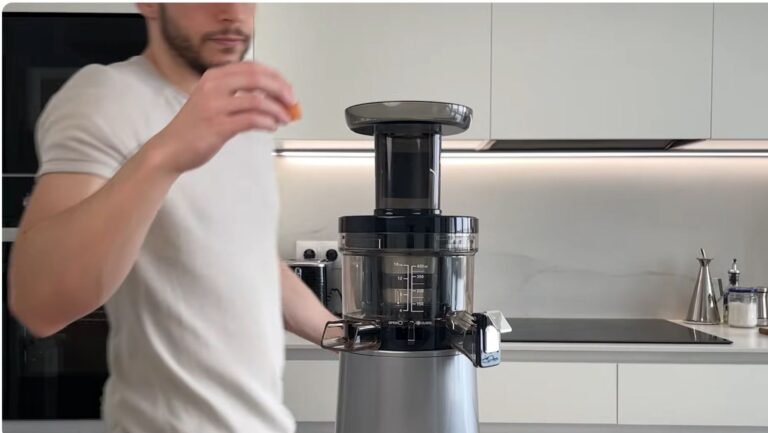
A juicer’s entire job is to pull apart the liquid from the solid pulp. It uses force, either by spinning very fast or by slowly crushing and pressing, to break down the cell walls of produce. The juice flows out one spout, and the dryish pulp collects in a separate container. You get a clear, smooth drink that’s easy for your body to absorb quickly.
Centrifugal vs Masticating: Understanding the Speed
This is the big juicer debate. Centrifugal juicers use a fast-spinning metal basket that grates the produce and flings the juice out through a filter. They’re quick but can introduce heat and air, which might affect nutrient levels. Masticating juicers, often called slow or cold press juicers, use an auger to crush and press the produce like a slow, powerful mortar and pestle. They’re quieter, more efficient (getting more juice out), and are gentler on the nutrients. For my money and for the best quality juice, I always lean toward a good masticating juicer.
Micro-Reflection: I love juice for a swift, clean nutrient hit, but I miss the filling fiber that keeps me full.
The Blender: The Master of Smooth Textures
If a juicer is a precision extractor, a blender is the mighty whirlpool king. It doesn’t separate anything. It takes everything you put in it—fruits, veggies, ice, seeds, stems—and obliterates it into one perfectly unified mixture. My daily morning ritual hinges on my blender. Tossing in a whole apple (core and all), a handful of spinach, some flax seeds, and water creates a thick, filling smoothie that powers me through my day. It’s the ultimate tool for “whole food” drinks.

Vitamix A3500 Ascent Series (Best High Speed Blender)
Creating the Vortex: Why Blenders Need Liquid
Here’s the secret: blenders need liquid to work. That water, milk, or juice isn’t just for flavor. As the blades spin at incredible speeds, they pull the contents down from the top and create a powerful vortex. This circular tornado ensures every single piece gets sucked down into the blades repeatedly until nothing remains but silky smoothness. No liquid means no vortex, and you’ll just have a chunkier mess.
When to Use a Blender for Hot Soups and Nut Milks
Your high-powered blender is a kitchen superhero. Forget just smoothies. You can make silky-smooth hot soups by blending cooked vegetables with broth. The friction from the blades can even heat it up! You can also make homemade almond or oat milk by blending soaked nuts or grains with water and then straining it. It’s incredibly versatile.
Micro-Reflection: My blender feels like a kitchen companion. It helps me use entire foods, reducing waste and keeping all the good fiber.
The Food Processor: Your Personal Kitchen Assistant
Think of the food processor not as a drink maker, but as your most efficient prep cook. It’s for when you need to transform solid food into a different texture quickly. Need to chop five onions without crying? Make a chunky salsa? Shred a mountain of cheese? This is its domain.

Breville Sous Chef 16 Cup (The Ultimate Food Processor)
Slicing, Dicing, and Shredding: The Versatility of Discs
The real power of a food processor comes from its discs. You swap out the standard blade for a disc with specific holes—slicing, shredding, julienning. Feed carrots through the shredder disc, and you have carrot shreds for salad or cake in three seconds. It’s a massive time-saver for any serious cooking.
Why You Cannot Make a Smoothie in a Food Processor
Here’s a common mistake. A food processor’s blade is designed to chop, not create a vortex. The container is wide and shallow. If you try to make a smoothie, the liquid will just splash up the sides, leaving the solids untouched at the bottom. You’ll get a chunky, uneven mess. Trust me, I’ve tried in a pinch. It’s not pretty. Stick to using it for dips, doughs, chopping, and shredding.
Micro-Reflection: The food processor is my weekend meal-prep hero. It does the tedious jobs so I can enjoy the fun part: cooking.
So, Which Appliance is BEST for You?
It depends entirely on your goal. After 15 years of using them all, here’s my simple breakdown:
-
You want clear, pulpless juice for quick nutrient absorption. You need a Juicer.
-
You want thick, filling smoothies, soups, or nut milks using the whole food. You need a Blender.
-
You want to chop vegetables, make dough, shred cheese, or make pesto quickly. You need a Food Processor.
My Step by Step Solution to Choosing:
-
Define Your “Why.” Write down your top three uses. Is it “daily green smoothies,” “fresh orange juice,” or “homemade hummus and shredded salads”?
-
Start with the Blender. If you’re only buying one machine, a high-speed blender is the most versatile for everyday health and cooking. It can make smoothie bowls, soups, and even some food processor tasks.
-
Add a Juicer for a Specific Wellness Kick. If you’re into cleanses or want to make fresh, clear juices without pulp, invest in a good masticating juicer as your second appliance.
-
Bring in the Food Processor for a Cooking Upgrade. When you find yourself dreading prep work or wanting to make more from-scratch items like nut butters or pastry dough, the food processor becomes invaluable.
Closing Message:
These tools aren’t about having a fancy kitchen. They’re about making it easier to eat well and enjoy the process. I started with a simple blender, and that one habit changed my health. Now, I couldn’t imagine my kitchen without all three.
I’d love to hear about your journey. Which appliance are you leaning towards, or what’s your favorite thing to make in yours? Share your experiences or questions below—let’s chat
Which Is Best Blender Food Processor or Juicer
I wasted money on kitchen machines before I learned one simple truth. No appliance is better in general. One tool becomes the best only when it matches how you actually cook, eat, and clean.
After fifteen years of daily home cooking, recipe testing, and appliance regret, I learned that choosing between a blender, food processor, or juicer has less to do with specs and more to do with lifestyle.
This guide comes from lived use, not lab theory. I will walk you through what really happens to fiber, texture, health, cleanup time, and sanity.
Small personal story
Early in my career, I bought a powerful blender because every health blog told me it could replace everything. I tried to make hummus for a dinner party. I ended up with warm chickpea soup. That night I borrowed a friend’s food processor and felt instant regret for trusting hype over function.
That mistake taught me how tools behave in real kitchens, not product pages.
Most people buy appliances backward. They choose based on power or brand instead of daily habits. That leads to frustration, wasted counter space, and abandoned machines collecting dust.
The real question is not which appliance is best. The real question is which one fits your food and your routine.
Comparing the Results Fiber Texture and Health
The Fiber Debate Is Juicing Better for Digestion
Juicing removes insoluble fiber. That is not always bad, but it changes digestion. When I juice greens or carrots, I feel quick energy but shorter fullness. When I blend the same produce, I stay full longer.
Fiber slows sugar absorption. Blending keeps fiber intact. Juicing gives faster nutrient delivery. Neither is evil. They serve different needs.
Micro reflection one
Health tools should support your body rhythm, not fight it.
Expertise Note Why RPM Matters More Than You Think
High RPM blades shear fiber aggressively. In blenders, this creates smooth texture but can warm food and break cell walls fast. In processors, lower RPM preserves structure.
I noticed that lower speed processing keeps sauces brighter and less bitter. Speed changes flavor more than most people realize.
Real World Use Cases Which One for Your Recipe
Best Tool for Homemade Nut Butter and Hummus
A food processor wins here. It gives control. You can stop early for texture or let it run for creaminess.
Blenders struggle unless you add liquid. That changes flavor and density.
If you make hummus weekly, a mid size processor saves frustration. I personally use this Cuisinart food processor because it balances power and control
Making Salsa Why the Food Processor Wins Over the Blender
Salsa needs chop, not liquefy. A blender turns tomatoes watery. A processor pulses clean cuts.
When I switched tools, my salsa stopped separating in the bowl. That one change improved every taco night.
Personal Experience My 15 Year Journey Through Appliance Regret
I owned three blenders, two juicers, and one tiny processor before I learned restraint. Each purchase felt hopeful. Each mistake taught me something about friction, cleanup, and actual use.
I stopped buying tools for imagined habits and started buying for real ones.
Micro reflection two
The best kitchen tool earns its place by daily use, not potential.
Practical Advice The One Machine Rule for Small Kitchens
If you live in an apartment or small home, choose one core machine.
For smoothies and soups choose a blender like Vitamix
For prep heavy cooking choose a food processor.
For raw juice routines choose a slow juicer.
One good machine beats three ignored ones.
Maintenance and Storage Reality Check
Cleaning Complexity Which Machine Is the Hardest to Wash
Juicers take the most time. Multiple screens and pulp traps slow you down.
Blenders clean fast with soap and water swirl.
Food processors fall in the middle.
If cleanup annoys you, you will stop using the machine. I learned this the hard way.
Micro reflection three
Convenience decides habits more than motivation.
Final Verdict Matching the Tool to Your Lifestyle
Choose a blender if you drink meals, love soups, and want speed.
Choose a food processor if you cook daily and value texture.
Choose a juicer if you prioritize raw juice and quick nutrient intake.
There is no universal winner. Only honest alignment.
Question Based Headings Intent Coverage
Can I use a blender as a food processor
You can, but results differ. Blenders need liquid. Processors do not. Expect compromises.
Is it better to juice or blend for weight loss
Blending supports fullness. Juicing supports calorie control. Choose based on hunger patterns.
Why is my food processor turning my onions into mush
You over processed. Use pulse mode and stop early.
Can a juicer make almond milk
Yes, but it requires soaking and cleanup. A blender feels easier for most people.
Which appliance is the easiest to clean in under two minutes
A blender wins here without question.
Four Practical Steps to Choose the Right Machine
Step one
List what you make weekly, not what you want to make someday.
Step two
Decide how much cleanup time you tolerate.
Step three
Measure your counter or cabinet space honestly.
Step four
Buy quality once instead of upgrading later.
Closing invitation
I shared my experience so you can avoid the same regret cycle I lived through. If you are deciding between appliances or want to share what worked or failed in your kitchen, I would love to hear it.
Good choices come from shared experience. Let us talk.

- Polycarbonate Panels For Greenhouse Durable Options For Enhanced Growth 2026 - February 27, 2026
- 10 Best Organic Fertilizers for Winter Crops: The Complete Guide - February 23, 2026
- 10 Best Overwinter Fertilizers for Vegetable Garden in 2026 - February 23, 2026