How to Ant Proof Your Hummingbird Feeders for Outdoors (Complete Guide)
Few things are more frustrating than setting up a beautiful hummingbird feeder, only to discover it swarming with ants before a single bird gets a sip. If you have ever walked outside to find a trail of ants marching up your shepherd’s hook, drowning in your nectar, or deterring hummingbirds from feeding altogether, you already know this problem runs deeper than a minor nuisance. Ants contaminate nectar, clog feeding ports, and can make your entire setup uninhabitable for the birds you worked so hard to attract.
The good news is that ant-proofing your outdoor hummingbird feeder is completely achievable without harming any wildlife. With the right combination of feeder design, placement strategy, physical barriers, and ongoing maintenance habits, you can create a pest-free feeding station that hummingbirds will return to season after season.
In this guide, you will learn:
- Why ants are drawn to hummingbird feeders and why standard feeders fail
- How ant moats work and how to choose or build the right one
- The best feeder designs that naturally resist ant and bee intrusion
- Strategic placement tips that cut ant access before it starts
- Safe, bird-friendly repellents and deterrents you can use outdoors
- Maintenance habits that eliminate the conditions ants rely on
- Seasonal considerations to stay ahead of pest pressure year-round
- Common mistakes that make ant problems worse — and how to fix them
Why Ants Are Drawn to Hummingbird Feeders
To effectively ant-proof your feeder, it helps to understand what makes hummingbird feeders such irresistible targets in the first place. Ants are foragers that follow chemical scent trails left by scout ants. Once a single ant locates a sugar source, it lays a pheromone path back to the colony, and within hours an entire trail can form along your hook, post, or hanging wire.
The Sugar Water Problem
Standard hummingbird nectar is a simple mixture of white sugar and water, typically in a 1:4 ratio. To ants, this is essentially an unguarded candy store. Unlike flower nectar hidden inside a bloom, feeder nectar is fully exposed at the ports and, in many feeder designs, accessible from the outside of the basin. Ants do not need to find a hidden opening — they only need to get close enough to reach a port or a drip.
How Leaky Feeders Make Everything Worse
Many feeders develop micro-leaks over time. Temperature changes cause the plastic or glass reservoir to expand and contract, loosening seals around the ports. Even a tiny drip of nectar running down the outside of a feeder creates a scent beacon that ants can detect from several feet away. Inverted bottle feeders that rely on negative pressure are particularly prone to dripping on hot days when the liquid inside expands.
Why This Matters for Hummingbirds
Beyond the inconvenience to you, ant infestations pose real risks to hummingbirds. Ants that fall into the nectar reservoir contaminate the liquid with formic acid, which can harm hummingbirds if ingested in large quantities. Heavy ant activity at the ports physically blocks birds from feeding. In severe cases, hummingbirds will abandon a feeder entirely and may stop visiting your yard for the rest of the season.
Choosing a Feeder Design That Naturally Resists Ants
Not all hummingbird feeders are created equal when it comes to pest resistance. The feeder you choose is your first line of defense, and some designs make ant-proofing dramatically easier than others.
Saucer-Style Feeders
Saucer or dish-style feeders are widely considered the most ant-resistant design available. In these feeders, nectar sits in a shallow basin and the ports are positioned on top of the lid. Because hummingbirds have long tongues that reach nectar through short ports, the nectar level inside the saucer can be kept low enough that ants cannot reach it even if they make it to the port opening. Brands like Aspects HummZinger have built their reputation on this design.
Inverted Bottle Feeders
Traditional inverted bottle feeders are popular and often cheaper, but they rely on a vacuum seal to hold nectar in the reservoir. This seal can break on hot days, causing drips that create the sugary surface residue that attracts both ants and bees. If you prefer this style, look for models with a built-in ant moat top and bee-guard inserts at the ports. Without these features, the feeder will require much more active maintenance.
Key Features to Look For
When choosing any new feeder, prioritize these pest-resistant features:
- Built-in ant moat at the hanger point above the reservoir
- Bee guards or deep-recessed ports that prevent bee access
- Wide-mouth opening for thorough cleaning
- Leak-proof gaskets rated for outdoor temperature swings
- Smooth exterior with no ridges or texture that ants can grip
How to Use an Ant Moat Effectively
An ant moat is the single most effective physical barrier you can add to any outdoor hummingbird feeder setup. It works on a simple principle: ants cannot swim, so a small cup of water positioned between the hanging point and the feeder creates an uncrossable gap. No ant can cross a properly maintained water moat.
Built-In vs. Add-On Ant Moats
Many modern feeders come with a built-in ant moat integrated into the hanger or the top cap. This is the most convenient option because there are no extra parts to manage. If your feeder does not have one, standalone add-on moats are widely available and attach between your hanging hook and the feeder’s hook using simple S-hook connectors. These cost just a few dollars and work on virtually any feeder design.
DIY Ant Moat: Build One for Free
You can build an effective ant moat from a plastic bottle cap or a small deli cup. Drill or poke a hole through the center just large enough to thread your hanging wire through. Thread the wire through the cap, tie a knot or use a washer on the underside to hold it in place, then fill the cap with water. Coat the wire above the cap with petroleum jelly for added protection. This homemade version works just as well as commercial options and can be replaced or refilled in seconds.
Keeping the Moat Full and Clean
An ant moat is only as effective as the water inside it. In summer heat, water evaporates quickly — sometimes within a day or two. Check your moat every time you refill the nectar and top it up with fresh water. Moats can also accumulate algae, dead insects, and debris, which can eventually form a bridge that ants use to cross. Rinse and scrub it with a small brush weekly. Never add soap, bleach, or insecticides to the moat water, as hummingbirds sometimes drink from them.
Strategic Placement to Minimize Ant Access
Where you hang your feeder has a direct impact on how easily ants can find and access it. Thoughtful placement is a passive form of pest control that requires no maintenance once it is implemented.
Avoid Hanging From Trees or Wooden Structures
Hanging a feeder directly from a tree branch or a wooden fence post gives ants the easiest possible pathway. Trees and wooden posts are highways for ant colonies, and bark provides a texture that ants can grip effortlessly. Instead, use a freestanding shepherd’s hook pole positioned away from any structure. A metal pole with a smooth finish is far harder for ants to climb than wood or vine-covered surfaces.
Distance From Walls, Fences, and Plants
Position your feeder at least 18 to 24 inches away from any wall, fence, or plant. Ants can leap from a nearby leaf or vine onto a feeder with ease. Keep surrounding plants trimmed back during peak hummingbird season, and make sure no branches overhang the feeder from above. Even a thin hanging wire that brushes against a plant can become an ant pathway within hours of a scout discovering the connection.
Using Pole Baffles for Ground-Dwelling Ants
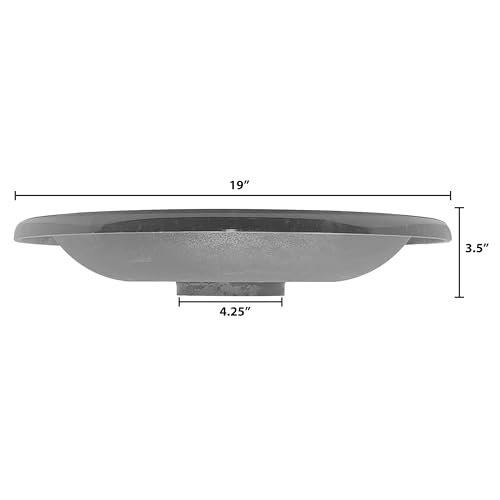
If you use a ground-mounted pole, install a pole baffle — a wide dome-shaped disc that attaches to the pole partway up and prevents ants from climbing higher. Pole baffles are primarily marketed for squirrel-proofing bird feeders, but they are equally effective against ant columns climbing from the ground. Position the baffle at least 18 inches above ground level, above any mulch, grass, or debris that ground-nesting ants could use as a launching point.
Safe Ant Repellents to Use Around Hummingbird Feeders
Physical barriers handle most ant problems on their own, but some situations call for an additional layer of repellent protection. The key constraint is that anything you apply near a hummingbird feeder must be completely non-toxic to birds, bees, and other wildlife.
Petroleum Jelly on Hooks and Wires
A thin coat of petroleum jelly (Vaseline) applied to the hanging wire or hook above the ant moat is one of the most effective and completely bird-safe repellents available. Ants cannot walk through the sticky gel. Reapply every week or two, especially after rain, and avoid applying it to any part of the feeder that a hummingbird might land on or touch with its bill, as it can damage feather waterproofing.
Bay Leaves and Cinnamon as Natural Deterrents
Ants dislike the strong scent compounds found in bay leaves and cinnamon. Sprinkling ground cinnamon around the base of a feeder pole or tucking a few dried bay leaves near the hanger can disrupt ant scent trails without posing any risk to birds. These natural options work best as a supplement to physical barriers rather than a standalone solution, but they are completely safe and cost almost nothing.
What to Avoid Near Your Feeder
Never use the following near hummingbird feeders:
- DEET-based or permethrin repellents — toxic to birds and beneficial insects
- Insecticidal sprays or dusts on or near the pole
- Cooking or vegetable oils on the wire — they go rancid and attract more insects
- Essential oil diffusers near the feeder — some oils are harmful to birds
- Ant bait stations placed directly under the feeder — the attractant can initially draw more ants to the area
Maintenance Habits That Eliminate Ant Attractants
Consistent maintenance is the backbone of any successful ant-proofing strategy. Even the best feeder with a perfectly functioning moat will develop ant problems if sugar residue is allowed to accumulate on the exterior or if nectar is left to ferment in the heat.
How Often to Clean Your Outdoor Feeder
During summer heat above 80°F (27°C), nectar can ferment in as little as two days. At these temperatures, clean and refill your feeder every two days. In milder spring or fall weather below 70°F (21°C), every four to five days is typically sufficient. Each cleaning should include rinsing all surfaces with hot water, scrubbing the ports with a small bottle brush or pipe cleaner, and wiping down the exterior where nectar drips might accumulate.
Dealing With Nectar Drips and Spills
Nectar drips during refilling are a primary cause of ant trails. Refill your feeder indoors over a sink rather than outside where spills hit the ground. Wipe down the outside of the feeder with a clean damp cloth before rehanging it. If your feeder consistently drips after refilling, it is likely overfilled — most saucer-style feeders work best at 80 percent capacity, which also reduces port pressure.
Cleaning the Surrounding Area
Even with a drip-free feeder, ants may still investigate the area based on residual scent. Rinse the ground or deck surface beneath your feeder periodically with plain water to wash away trace pheromone trails. If you notice an established ant trail heading toward your feeder pole, disrupting it with water breaks the chemical signal and forces scouts to re-scout from scratch — buying you time to reinforce your barriers.
Seasonal Tips for Year-Round Ant-Free Feeding
Ant pressure on hummingbird feeders is not constant throughout the year. Understanding when and why pressure peaks helps you prepare rather than react.
Spring: Set Up Barriers Before Hummingbirds Arrive
Put your ant moat in place and apply petroleum jelly to your hanging wire at the start of the season — before you even fill the feeder with nectar. Scout ants begin foraging in early spring and will quickly catalog any new food sources in your yard. Getting your barriers in place first means ants never establish a trail to your feeder. Prevention is dramatically easier than breaking an established trail.
Summer: Increase Cleaning Frequency and Monitor Moat Levels
Summer is the peak period for both hummingbird feeding activity and ant colony activity. Check moat water levels daily during heat waves. Move feeders into partial shade if possible to slow nectar fermentation and reduce dripping caused by thermal expansion. In very hot climates, consider keeping a second feeder in rotation in the refrigerator so you can swap them quickly during each cleaning cycle.
Fall: Clean and Store Before Ants Seek New Sites
As hummingbirds begin their southern migration in late summer and early fall, remove feeders once you have not seen a bird for two consecutive weeks. Clean and dry the feeder thoroughly before storage — any residual nectar or moisture can grow mold and will create a scent trace that attracts ants and insects when you bring it out the following spring. Store feeders in a sealed bag or container indoors.
Common Ant-Proofing Mistakes (And How to Fix Them)
Even well-intentioned feeder owners make predictable mistakes that undermine their ant-proofing efforts. Here are the most common ones and the straightforward fixes.
Forgetting to Refill the Moat
An empty moat is no moat at all. Check it every time you check the nectar level and make refilling both a single habit in your routine.
Hanging the Feeder Too Close to Foliage
Even a branch several inches away can become an ant bridge overnight. Keep a clearance of at least 18 to 24 inches on all sides and trim back any growth that creeps close during the season.
Using Cooking Oil as a Wire Lubricant
Vegetable oil and olive oil go rancid, smell bad, and can attract more insects over time. Stick to petroleum jelly, which stays stable in heat and does not break down.
Overfilling the Nectar Reservoir
A too-full reservoir increases port pressure and promotes dripping. Fill to 80 percent capacity and you will see drip rates drop significantly — and nectar last longer before fermenting.
Ignoring the Feeder Pole
Focusing only on the hanging wire while neglecting a wooden or rough-textured pole gives ants an easy ground-to-feeder highway. Use a smooth metal pole or install a pole baffle partway up.
Skipping the Rinse After Soap Cleaning
Soap residue left in ports or on the exterior can harm hummingbirds. Always rinse with plain hot water multiple times after any soap cleaning before refilling and rehanging.
Step-by-Step: How to Ant-Proof Any Existing Feeder Right Now
If you already have a feeder up and want to implement these fixes today, follow this sequence for the fastest results:
- Bring the feeder inside and empty any nectar that has been out for more than two days.
- Wash the feeder with hot water, scrubbing all ports and crevices thoroughly. Rinse multiple times.
- While the feeder dries, wipe the hanging hook, wire, or chain with a damp cloth to remove all sugar residue.
- Apply a thin coat of petroleum jelly to the wire or chain between the hook and the feeder.
- Attach an ant moat above the feeder. Fill it with clean water.
- Refill the feeder to 80 percent capacity with fresh nectar.
- Rehang the feeder at least 18 inches from any wall, post, plant, or other surface.
- Rinse the ground or deck below the feeder’s previous position with water to disrupt any existing scent trails.
- Check the moat water level the next morning and every 24 hours during hot weather.
Frequently Asked Questions About Ant-Proofing Hummingbird Feeders
Do ant moats really keep all ants away?
Ant moats are highly effective when kept filled with clean water. The only way ants cross a properly maintained moat is if a bridge forms through debris, a dead insect, or a spider web. Keep the moat clean and filled and it will block virtually all ant traffic.
Is it safe to add anything to the moat water?
Plain water is all you need. Never add soap, bleach, insecticide, or essential oils to the moat. Hummingbirds will sometimes drink from moats, especially in hot weather, and any additive poses a health risk.
Why do ants keep coming back even after I clean the feeder?
Ant pheromone trails are persistent and can linger on surfaces for hours after cleaning. After washing the feeder, also rinse the pole, hook, and surrounding area with water to disrupt the chemical trail. It may take 24 to 48 hours for scout activity to drop off completely.
Can I use cinnamon directly on or in the feeder?
Never apply cinnamon directly to the feeder body or ports — it can clog ports and potentially contaminate nectar. Cinnamon works as a mild deterrent only when sprinkled around the base of the feeder pole or on the nearby ground surface.
My feeder has no moat attachment point. What can I do?
You can add a hook-style add-on moat that attaches via S-hooks between your existing hanger and the feeder. Alternatively, hang a small bottle cap moat on a short separate wire segment inserted between the hanging chain and the feeder’s own hook.
Should I take my feeder down when I see ants on it?
Yes. Remove the feeder, clean it thoroughly, address any leaks, set up a moat, and return it to a better-positioned location. Leaving an ant-infested feeder up does not resolve the problem and risks contaminating the nectar with formic acid.
Final Thoughts: A Pest-Free Feeder Is Within Reach
Ant-proofing your outdoor hummingbird feeder does not require expensive equipment or hours of ongoing effort. The foundation of any successful setup is straightforward: an ant moat filled with clean water, a feeder positioned away from easy ant access points, and a cleaning routine that removes the sugar residue ants depend on. Layer in a leak-resistant feeder design, a dab of petroleum jelly on the hanging wire, and smart seasonal habits, and you have a system that runs almost on autopilot.
The reward is well worth the small investment of time. A clean, ant-free feeder means hummingbirds can feed safely and without competition, leading to longer visits, more birds, and a backyard experience that is genuinely one of the most peaceful things you can watch from a porch on a summer afternoon. Start with the moat, fix the placement, and build the habit — your hummingbirds will notice the difference.

- Top 10 Best Smart Doorbell Voltage Transformer 2026 - September 25, 2026
- Top 10 Best Smart Doorbell For Amazon Echo 2026 - September 25, 2026
- Top 10 Best Smart Doorbell For Alexa 2026 - September 25, 2026