Can Electrical Tape Be Used Underground? Safety, Risks, and Alternatives
Electrical tape is a common material for insulating and protecting wires, but many homeowners wonder whether it is safe to use underground.
While electrical tape works well for temporary repairs and indoor applications, underground conditions expose wiring to moisture, temperature changes, and soil movement that can weaken the tape over time. Standard electrical tape is not designed to provide long-term protection for direct burial wire connections.
Using it incorrectly can lead to corrosion, short circuits, and costly repairs. In this guide, you’ll learn whether electrical tape can be used underground, why it often fails in buried applications, and which waterproof alternatives offer better protection. We’ll also cover proper underground wire splicing methods, direct burial cable requirements, and common mistakes to avoid so your electrical installation remains safe, durable, and code compliant.
Here is the rewritten section with approximately 80-word H2 introductions, 60-word H3 sections, and bullet points included under each H3.
What Is Electrical Tape?
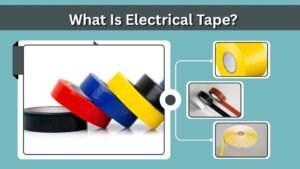
Electrical tape is one of the most common materials used in electrical work. It provides insulation, helps organize wires, and adds an extra layer of protection against accidental contact. Most electrical tape consists of vinyl or PVC with pressure-sensitive adhesive. Although it performs well in indoor environments and temporary repairs, many people mistakenly assume it offers complete waterproofing. Understanding the different types and intended uses of electrical tape helps determine whether it is suitable for underground applications.
Types of Electrical Tape
Electrical tape comes in several forms, each designed for specific applications. While standard vinyl tape is widely used, specialty products provide better resistance to moisture and harsh conditions. Choosing the correct type affects the longevity and safety of electrical installations.
Common Types
- PVC electrical tape
- Vinyl electrical tape
- Rubber splicing tape
- Self-fusing silicone tape
- Mastic tape
Main Purposes of Electrical Tape
Electrical tape is mainly intended for insulating conductors and protecting wire connections. It is commonly used in residential and commercial electrical systems. However, it should not replace approved connectors or waterproof sealing methods for underground wiring.
Common Uses
- Insulating exposed wires
- Bundling cables
- Color coding conductors
- Protecting terminals
- Temporary electrical repairs
Can You Use Electrical Tape Underground?
Many homeowners ask whether electrical tape can be buried directly in soil. Although electrical tape resists moisture for short periods, underground conditions are far more demanding. Constant exposure to water, changing temperatures, and soil pressure gradually weaken the adhesive. Standard electrical tape is not approved for direct burial. It works best as an additional protective layer alongside waterproof splice kits, direct burial connectors, and heat shrink tubing designed for underground installations.
Short Answer
The answer is no. Electrical tape alone should never serve as the primary protection for underground wire splices. Over time, moisture and temperature changes cause the tape to deteriorate, leaving wires vulnerable to corrosion and failure.
Why It Is Not Recommended
- Adhesive breaks down over time
- Water can penetrate the seal
- Soil movement stresses connections
- Corrosion develops on conductors
- Electrical codes require approved methods
When Electrical Tape Can Be Used Underground
Although electrical tape should not be buried by itself, it still has limited uses in underground systems. Professional electricians often use it as supplemental insulation or to secure other protective materials.
Acceptable Applications
- Wrapping heat shrink tubing
- Color coding wires
- Adding insulation inside junction boxes
- Securing rubber splicing tape
- Providing temporary protection
Why Standard Electrical Tape Fails Underground
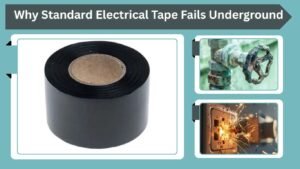
Underground environments expose wiring to moisture, pressure, and temperature changes throughout the year. These conditions slowly weaken ordinary electrical tape and compromise its insulating ability. Even premium vinyl tape eventually deteriorates when continuously exposed to soil and water. Understanding the reasons behind these failures helps prevent expensive repairs and unsafe wiring conditions.
Water Penetration
Water is the biggest threat to underground electrical connections. Moisture eventually finds its way beneath the tape layers, causing oxidation and reducing electrical performance.
Problems Caused by Moisture
- Copper corrosion
- Increased resistance
- Voltage loss
- Short circuits
- Premature wire failure
Adhesive Breakdown
Vinyl electrical tape relies on adhesive to remain sealed. Heat, cold, and moisture gradually weaken this adhesive, causing the tape to loosen and separate from the wire.
Signs of Adhesive Failure
- Peeling edges
- Loss of flexibility
- Brittle material
- Unwrapping over time
- Reduced insulation
Soil Movement and Pressure
Underground wiring constantly experiences movement from expanding soil, heavy rainfall, and plant roots. Tape lacks the strength necessary to withstand these forces for many years.
Effects of Soil Movement
- Stretched connections
- Loose splices
- Broken insulation
- Increased wear
- Reduced reliability
Temperature Changes
Seasonal temperature swings create expansion and contraction in both wires and tape. Repeated cycles accelerate aging and shorten the life of ordinary electrical tape.
Environmental Factors
- Summer heat
- Winter freezing
- Humidity changes
- Thermal expansion
- Condensation buildup
Is Electrical Tape Waterproof?
Many people confuse water resistance with waterproofing. Standard electrical tape can withstand minor splashes and humidity, but it does not create a permanent watertight seal. Underground installations face constant exposure to moisture, making ordinary tape unsuitable as the only protective barrier. Specialized products provide better resistance, but they should complement approved underground connectors rather than replace them.
Water-Resistant vs Waterproof
Electrical tape offers some resistance to moisture, but continuous exposure eventually allows water to seep inside. This distinction is critical when dealing with underground wiring systems.
Key Differences
- Water-resistant products repel moisture temporarily
- Waterproof systems block moisture completely
- Adhesives weaken over time
- Groundwater penetrates tape layers
- Long-term sealing requires specialized materials
Better Waterproof Tape Options
Some specialty tapes offer improved protection compared with ordinary vinyl electrical tape. These products are commonly used by electricians alongside heat shrink tubing and waterproof splice kits.
Recommended Options
- Rubber splicing tape
- Self-fusing silicone tape
- Mastic tape
- Moisture-resistant vinyl tape
- Adhesive-lined heat shrink systems
What Happens If You Bury Electrical Tape Alone?

Wrapping exposed wires with electrical tape and burying them directly in the ground creates a serious risk. Soil moisture, changing temperatures, and constant pressure eventually weaken the adhesive and expose the conductors. Once water reaches the wire, corrosion starts and electrical performance declines. In many cases, buried tape-only repairs fail within a short time. Using approved underground splice methods is essential for safety, reliability, and code compliance.
Short Circuits and Power Loss
Moisture entering a poorly protected splice increases resistance and causes unreliable operation. Small amounts of corrosion can lead to voltage drops and equipment failure. Eventually, the connection may stop working completely.
Common Problems
- Short circuits
- Voltage loss
- Flickering lights
- Equipment malfunctions
- Intermittent power outages
Corrosion and Wire Damage
Copper and aluminum conductors corrode when exposed to water and minerals found in soil. Corrosion increases resistance and weakens the connection, making future repairs more difficult and expensive.
Effects of Corrosion
- Oxidized conductors
- Reduced conductivity
- Overheating connections
- Premature wire failure
- Costly repairs
Safety Hazards
Damaged underground connections create potential electrical hazards. Improper splices can overheat and affect nearby equipment. Professional electricians recommend waterproof connectors and direct burial systems to minimize these risks.
Potential Risks
- Electrical faults
- Overheating
- Equipment damage
- Fire hazards
- Unexpected power failures
Safe Alternatives to Electrical Tape for Underground Wiring
Underground electrical systems require materials specifically designed to withstand moisture, temperature changes, and soil pressure. Several products offer superior protection compared with standard electrical tape. These solutions create waterproof seals and provide long-term reliability. Whether installing landscape lighting or repairing buried cable, choosing approved materials helps prevent corrosion and future failures.
Heat Shrink Tubing
Heat shrink tubing creates a tight seal around wire splices. Adhesive-lined heat shrink tubing provides additional moisture protection and is widely used in outdoor electrical applications.
Benefits of Heat Shrink Tubing
- Waterproof sealing
- Strong insulation
- Corrosion resistance
- Long service life
- Professional appearance
Underground Wire Splice Kits
Direct burial splice kits are designed specifically for underground applications. These kits often contain gel or resin that seals the connection and blocks moisture.
Features of Splice Kits
- Waterproof construction
- Direct burial approval
- Excellent insulation
- Long-term durability
- Easy installation
Waterproof Wire Connectors
Waterproof wire nuts contain silicone or grease that protects the conductors from moisture. They are commonly used in landscape lighting and low-voltage systems.
Advantages
- Moisture resistance
- Fast installation
- Reliable connections
- Corrosion prevention
- Affordable solution
Direct Burial Cable
Direct burial cable is manufactured to withstand underground conditions without additional conduit in many applications. UF-B cable is one of the most common choices for residential installations.
Common Types
- UF-B cable
- Underground feeder cable
- Low-voltage landscape wire
- Armored cable
- Irrigation wire
Can You Use Electrical Tape with Direct Burial Wire?
Direct burial cable already contains protective insulation designed for underground environments. Electrical tape should only serve as supplemental protection and never replace approved connectors or splice kits. Properly installed direct burial systems provide decades of service when combined with waterproof splicing methods. Understanding the correct role of electrical tape helps avoid unsafe installations and expensive repairs.
Proper Applications
Electrical tape can support underground installations when used correctly. Professional electricians often apply tape after installing waterproof connectors or heat shrink tubing.
Acceptable Uses
- Color coding wires
- Wrapping heat shrink tubing
- Bundling conductors
- Adding extra insulation
- Securing rubber tape
What You Should Never Do
Electrical tape alone is not a waterproof splice solution. Burying exposed wires wrapped only with tape often leads to failure and code violations.
Practices to Avoid
- Burying tape-only splices
- Wrapping damaged wires permanently
- Using indoor tape outdoors
- Ignoring waterproof connectors
- Skipping direct burial materials
How to Make an Underground Wire Splice Correctly
A proper underground splice protects the conductors from water, corrosion, and mechanical stress. Following the right procedure increases reliability and reduces future maintenance. Modern splice kits and waterproof connectors make the process much easier. Taking time to install the connection correctly helps ensure safe and long-lasting performance.
Step 1: Turn Off the Power
Always disconnect power before handling any electrical conductors. Verify the circuit is de-energized with a voltage tester before beginning repairs.
Safety Checklist
- Shut off the breaker
- Test the wires
- Wear insulated gloves
- Keep the area dry
- Use proper tools
Step 2: Install Approved Connectors
Use waterproof connectors or direct burial splice kits rated for underground applications. These products provide protection far beyond what electrical tape alone can deliver.
Recommended Materials
- Gel-filled connectors
- Resin splice kits
- Heat shrink tubing
- Waterproof wire nuts
- Direct burial connectors
Step 3: Seal and Protect the Connection
After completing the splice, apply the recommended sealing materials and ensure the connection remains protected from moisture and physical damage.
Final Protection Methods
- Heat shrink tubing
- Rubber splicing tape
- Waterproof junction boxes
- PVC conduit
- Direct burial enclosures
National Electrical Code Requirements for Underground Wiring
Underground electrical installations must follow National Electrical Code (NEC) standards to ensure safety and long-term reliability. The code specifies approved wiring methods, burial depths, and proper splice protection. Standard electrical tape does not qualify as a direct burial sealing method. Using code-approved materials reduces the risk of corrosion, electrical faults, and costly repairs. Understanding these requirements helps homeowners and contractors install underground wiring systems correctly.
Direct Burial Standards
Direct burial cables are manufactured with heavy insulation that protects conductors from moisture and physical damage. UF-B cable is one of the most commonly used options for residential underground wiring.
Approved Wiring Options
- UF-B cable
- Underground feeder cable
- Low-voltage landscape wire
- Direct burial irrigation wire
- Armored cable
Approved Splicing Methods
The NEC requires underground splices to use listed connectors and waterproof sealing systems. Electrical tape alone does not meet these requirements.
Accepted Splice Materials
- Gel-filled splice kits
- Resin-filled connectors
- Waterproof wire nuts
- Heat shrink tubing
- Direct burial splice kits
Conduit Requirements
Conduit provides additional protection for underground circuits. PVC conduit and rigid metal conduit are frequently used to shield cables from moisture and physical damage.
Common Conduit Types
- PVC conduit
- Rigid metal conduit
- Flexible conduit
- Schedule 40 PVC
- Schedule 80 PVC
Can Electrical Tape Be Used Inside Underground Conduit?
Underground conduit provides physical protection against water and soil movement. However, electrical tape inside conduit still serves only as secondary insulation. Moisture can still enter conduits over time, making proper connectors essential. Electricians often use tape to bundle conductors or reinforce heat shrink tubing, but they never depend on tape as the primary waterproof barrier.
Acceptable Uses Inside Conduit
Electrical tape performs best when used alongside approved wiring methods. It can provide extra insulation and organization inside conduit systems.
Proper Applications
- Color coding conductors
- Bundling wires
- Wrapping heat shrink tubing
- Adding supplemental insulation
- Securing rubber tape
Limitations of Electrical Tape
Even inside conduit, tape eventually deteriorates from heat and moisture. A proper splice should always include waterproof connectors and suitable insulation.
Common Problems
- Adhesive breakdown
- Moisture penetration
- Unwrapping over time
- Reduced insulation
- Corrosion risk
Best Waterproof Tapes for Electrical Applications
Some tapes provide significantly better moisture resistance than ordinary vinyl electrical tape. Although these products improve sealing performance, they should complement approved underground connectors instead of replacing them. Professional electricians often combine multiple protective layers to maximize durability. Selecting the right tape helps increase resistance to water, corrosion, and temperature changes.
Rubber Splicing Tape
Rubber splicing tape stretches tightly around wire connections and creates a moisture-resistant barrier. It is commonly covered with vinyl tape for added protection.
Advantages
- Excellent flexibility
- Strong insulation
- Water resistance
- Long-lasting performance
- Easy application
Self-Fusing Silicone Tape
Self-amalgamating silicone tape bonds to itself without adhesive. It forms a waterproof seal and performs well in harsh environments.
Benefits
- UV resistant
- Heat resistant
- Waterproof
- No adhesive failure
- Flexible construction
Mastic Tape
Mastic tape contains rubber compounds that provide exceptional moisture protection. Electricians frequently use it in direct burial and underground cable repairs.
Features
- Excellent sealing ability
- Strong moisture resistance
- Flexible material
- Durable construction
- Suitable for outdoor use
Vinyl Electrical Tape
Standard vinyl electrical tape remains useful for insulation and wire organization. However, it should never be the only protective material in underground applications.
Best Uses
- Wire bundling
- Color coding
- Supplemental insulation
- Indoor repairs
- Temporary protection
Common Mistakes to Avoid
Many underground wiring failures occur because homeowners rely on improper materials or shortcuts. Electrical tape alone often appears secure initially, but underground conditions quickly expose weaknesses. Avoiding common mistakes improves safety and extends the life of buried electrical systems. Proper installation methods save money and reduce future repair work.
Burying Tape-Only Splices
Wrapping bare wires with electrical tape and burying them directly creates one of the most common causes of underground failures. Water eventually penetrates the tape and corrodes the conductors.
Why This Is Dangerous
- Increased resistance
- Short circuits
- Corrosion
- Voltage loss
- Fire hazards
Using Indoor Tape Outdoors
Not all electrical tapes are rated for outdoor exposure. Indoor products deteriorate quickly when exposed to moisture and temperature changes.
Common Problems
- Cracking
- Adhesive failure
- Peeling
- Reduced insulation
- Premature breakdown
Ignoring Waterproof Connectors
Proper connectors provide the primary protection against moisture. Skipping them greatly increases the likelihood of future failures.
Better Alternatives
- Gel-filled connectors
- Heat shrink tubing
- Direct burial splice kits
- Waterproof wire nuts
- Junction boxes
Frequently Asked Questions
Many homeowners have questions about underground electrical wiring and whether electrical tape can provide enough protection. Understanding these common concerns helps avoid dangerous mistakes and ensures wiring systems remain safe for years.
Can Electrical Tape Keep Water Out Underground?
Electrical tape is water-resistant but not waterproof. Over time, moisture penetrates the layers and reaches the conductors. Waterproof splice kits and heat shrink tubing provide better protection.
Recommended Solutions
- Heat shrink tubing
- Gel-filled connectors
- Resin splice kits
- Waterproof junction boxes
- Direct burial connectors
Can You Bury a Wire Wrapped in Electrical Tape?
No. Electrical tape alone should never be used as the only protection for underground wires. This practice increases the risk of corrosion and electrical failure.
Better Choices
- UF-B cable
- Direct burial splice kits
- Waterproof wire nuts
- PVC conduit
- Heat shrink tubing
Does Underground Wire Need Conduit?
Not always. Direct burial cable can often be installed without conduit. However, conduit provides additional protection and is required in certain situations.
Common Conduit Uses
- Driveway crossings
- Areas exposed to damage
- Vertical runs
- Commercial installations
- Extra cable protection
Conclusion
Electrical tape serves an important role in electrical work, but it is not designed to function as a permanent underground waterproof seal. Soil moisture, temperature changes, and shifting ground eventually cause ordinary tape to fail. For safe and code-compliant underground wiring, use approved direct burial connectors, heat shrink tubing, waterproof splice kits, and suitable cables. When installed correctly, these materials provide reliable performance and protect underground electrical systems for many years.
Key Takeaways
- Electrical tape is not rated for direct burial.
- Underground moisture destroys ordinary tape over time.
- Waterproof connectors are essential.
- Heat shrink tubing offers superior protection.
- Direct burial cable provides long-term reliability.
- Following NEC requirements improves safety.
- Proper installation prevents expensive repairs.

- 10 Best Aquarium Light Color 2026 - September 20, 2026
- 10 Best Aquarium Light For Deep Tank 2026 - September 20, 2026
- 10 Best External Filter For 300 Litre Aquarium 2026 - September 20, 2026