5 Disadvantages of Greenhouses You Should Know Before You Start
Greenhouses give you control over growing conditions. You can manage temperature, humidity, and watering. You can grow crops out of season and protect them from harsh weather.
But this control comes at a cost.
Many growers jump in without understanding the downsides. The result is higher expenses, crop losses, and frustration. If you plan to use a greenhouse, you need a clear picture of the risks.
Below are the first major disadvantages explained in detail.
1. High Initial Cost and Ongoing Expenses
A greenhouse is not a simple structure. It is a system that requires planning, materials, and continuous investment.
Setup cost is higher than expected
Most beginners focus only on the frame. In reality, you pay for multiple parts:
- Structure made of steel, aluminum, or wood
- Covering materials like polyethylene film or polycarbonate panels
- Ventilation systems for airflow
- Irrigation setup for water supply
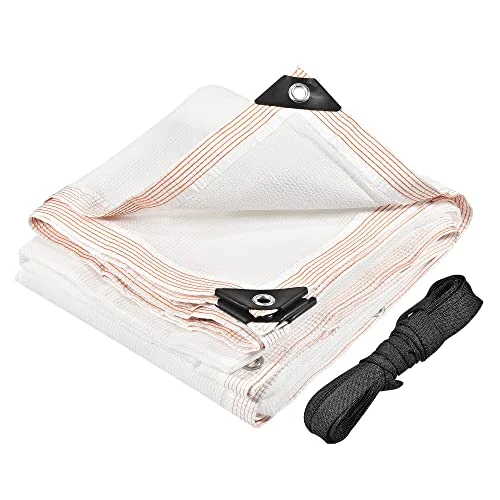
- Shade nets or cooling systems
Even a small greenhouse setup can cost a significant amount compared to open-field farming. A medium-sized structure used for commercial growing can cost several thousand dollars depending on materials and technology.
You also need to prepare the land, level the soil, and install basic infrastructure. These hidden costs often surprise new growers.
Operating costs never stop
Once your greenhouse is running, expenses continue every month.
You need to pay for:
- Electricity for fans, pumps, and lights
- Heating during cold periods
- Cooling during hot seasons
- Water supply and maintenance
- Replacement of worn-out parts
For example, in hot climates, cooling systems run for long hours. In colder regions, heating becomes essential to keep plants alive.
Plastic coverings usually last a few years. After that, you need to replace them, which adds another recurring cost.
Profit pressure is real
If you grow low-value crops, it becomes hard to recover your investment.
Your profit depends on:
- Market price of your crops
- Energy costs in your area
- Efficiency of your system
Many small farmers struggle because they invest heavily but fail to plan for long-term expenses.
What you should take from this
Before building a greenhouse, calculate your total cost. Include setup, maintenance, and operation. Without proper planning, the greenhouse can turn into a financial burden.
2. High Energy Use and Environmental Impact
Greenhouses rely on artificial control. This increases energy use and creates environmental concerns.
Constant energy demand
To maintain the right growing conditions, you depend on equipment such as:
- Heaters to protect crops during cold weather
- Fans and cooling pads to reduce heat
- Artificial lighting during low sunlight periods
These systems run daily. The more extreme your climate, the more energy you use.
In regions with high temperatures, cooling systems consume a large amount of electricity. In colder areas, heating becomes the biggest expense.
Increased carbon footprint
If your energy source is based on fossil fuels, your greenhouse contributes to carbon emissions.
Heating systems often use gas or diesel. Electricity may come from non-renewable sources. This increases the environmental footprint compared to traditional farming.
Large greenhouse operations can use significantly more energy than open-field farming for the same type of crop.
Plastic waste and material issues
Most greenhouses depend on plastic materials:
- Polyethylene covers
- Drip irrigation pipes
- Mulch films
These materials do not last forever. Covers usually need replacement every 3 to 5 years.
Disposal becomes a problem, especially in areas without recycling facilities. Over time, this adds to environmental pollution.
Water management problems
Greenhouses allow precise watering, but poor management leads to:
- Overwatering
- Nutrient loss
- Salt buildup in soil
This affects plant health and long-term soil quality.
What you should take from this
You gain control inside a greenhouse, but you also increase resource use. To reduce impact, you need efficient systems and careful management.
3. Pest and Disease Spread Happens Faster
A greenhouse protects plants from outside weather, but it does not eliminate pests and diseases.
Pests still find their way in
Insects can enter through:
- Open doors and vents
- New plants brought inside
- Gaps in the structure
Once inside, they face ideal growing conditions.
Why pests multiply quickly
Greenhouses create an environment that favors pests:
- Warm temperature
- High humidity
- Limited natural predators
Common greenhouse pests include:
- Aphids
- Whiteflies
- Spider mites
These pests feed on plant sap, weaken plants, and spread diseases.
Diseases spread quickly in closed spaces
Plants are usually placed close together inside a greenhouse. This increases the risk of disease transmission.
You may face:
- Fungal diseases like powdery mildew
- Root rot caused by excess moisture
- Leaf spot infections
Humidity inside the greenhouse helps these diseases grow and spread faster than in open fields.
Control requires more effort
To manage pests and diseases, you need to:
- Inspect plants daily
- Remove infected parts quickly
- Use biological or chemical treatments
This increases labor and cost.
What you should take from this
A greenhouse reduces some external risks, but internal risks increase. You must monitor your crops closely and act fast when problems appear.
4. Climate Control is Difficult and Risky
Controlling the environment is one of the biggest challenges in greenhouse farming.
Temperature changes quickly
Greenhouses trap heat. This can create extreme conditions:
- Too hot during sunny days
- Too cold during nights
Even a short period of high temperature can damage crops. Plants may stop growing or lose moisture quickly.
Cold temperatures can slow growth or kill sensitive plants.
Humidity is hard to balance
Humidity plays a key role in plant health.
High humidity leads to:
- Mold growth
- Fungal diseases
Low humidity causes:
- Water stress
- Poor nutrient absorption
Maintaining the right balance requires constant monitoring and adjustment.
Ventilation problems affect plant growth
Proper airflow is necessary to control temperature and humidity.
Poor ventilation results in:
- Heat buildup
- Weak plant structure
- Increased disease risk
Natural ventilation works for small setups, but larger greenhouses need mechanical systems.
Dependence on equipment increases risk
You rely on tools such as:
- Sensors
- Thermostats
- Fans and pumps
If any of these fail, the environment changes quickly.
For example, a power outage during a hot day can raise temperatures to harmful levels within a short time. Crops can wilt beyond recovery.
What you should take from this
Climate control is not simple. It requires constant attention and reliable equipment. Without proper management, your crops are at risk.
5. High Skill Requirement and Time Commitment
A greenhouse needs active management. You cannot treat it like open-field farming.
You need technical knowledge
You must understand how different factors affect plant growth:
- Temperature ranges for each crop
- Water requirements at different stages
- Nutrient balance in soil or hydroponic systems
- Early signs of pests and diseases
Each crop behaves differently inside a greenhouse. What works for tomatoes may not work for cucumbers or leafy greens.
Without proper knowledge, small mistakes turn into large losses.
Daily monitoring is required
You need to check conditions every day:
- Temperature and humidity levels
- Soil moisture or nutrient solution
- Plant color, growth, and leaf condition
You also need to adjust systems based on changes in weather. A cloudy day, a hot afternoon, or a cold night all require different responses.
Skipping daily checks increases risk.
Mistakes spread quickly
In open fields, nature balances some errors. In a greenhouse, problems build fast.
Common mistakes include:
- Overwatering, which leads to root rot
- Poor ventilation, which increases humidity and disease
- Excess fertilizer, which burns plant roots
One mistake can affect all plants because they share the same environment.
Time commitment is higher
Greenhouse farming takes more time than traditional methods.
You need:
- Regular inspections
- System adjustments
- Maintenance work
You cannot leave your greenhouse unattended for long periods. Even a short delay in response can damage crops.
What you should take from this
Your success depends on your skill and consistency. If you do not have time to manage daily tasks, greenhouse farming becomes difficult.
Additional Disadvantages You Should Consider
Beyond the main five issues, there are other limitations that affect performance and scalability.
Limited crop suitability
Not all crops grow well in a greenhouse.
You may face challenges with:
- Large field crops like corn or wheat
- Deep-rooted plants that need more soil depth
- Crops that rely heavily on natural conditions
Greenhouses work best for high-value crops such as:
- Tomatoes
- Peppers
- Cucumbers
- Herbs and flowers
If your goal is bulk production of staple crops, a greenhouse may not be efficient.
Space limits your expansion
A greenhouse has fixed dimensions.
To increase production, you need to:
- Build another structure
- Invest more money
- Manage additional systems
This limits flexibility, especially for small growers with limited budgets.
Pollination becomes a challenge
In open fields, insects handle pollination. Inside a greenhouse, this process is limited.
You may need to:
- Hand-pollinate plants
- Introduce bees into the greenhouse
Both options require extra effort and management.
Poor pollination leads to low yield and poor fruit quality.
Structural damage risk
Greenhouses are exposed to weather conditions.
They can be damaged by:
- Strong winds
- Heavy rainfall
- Storms
Plastic covers can tear. Frames can bend or weaken over time.
Repairing damage costs money and interrupts production.
Greenhouse vs Open Field Farming
You should compare both systems before making a decision.
Greenhouse disadvantages
- High setup cost
- Continuous operating expenses
- Dependence on energy and equipment
- Faster pest and disease spread
- High management effort
Open field advantages
- Lower initial investment
- Less dependence on equipment
- Natural pest control balance
- Lower energy consumption
However, open-field farming has its own risks:
- Weather damage
- Seasonal limitations
- Lower control over growing conditions
What you should take from this
A greenhouse is not always better. It works best when you need control and grow high-value crops. For low-cost farming, open fields may be more practical.
When You Should Avoid a Greenhouse
A greenhouse is not suitable for every situation.
You should avoid it if:
- You have a limited budget
- You do not have stable electricity
- You lack technical knowledge
- You cannot commit daily time
- You plan to grow low-profit crops
In these cases, a simpler farming method reduces risk.
How to Reduce the Impact of Greenhouse Disadvantages
You cannot remove all disadvantages, but you can reduce them with better planning.
Start small and scale gradually
- Build a small greenhouse first
- Test your crop performance
- Expand only after gaining experience
This reduces financial risk.
Control energy use
- Use natural ventilation where possible
- Install shade nets to reduce heat
- Choose energy-efficient equipment
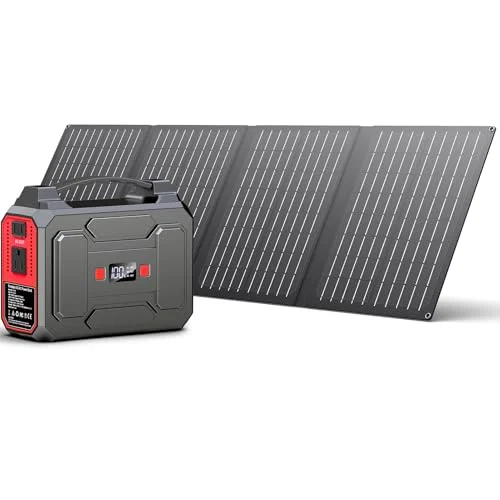
- Consider solar power for basic needs
Lower energy use means lower operating cost.
Improve pest and disease control
- Inspect plants every day
- Use sticky traps to detect insects early
- Remove infected plants quickly
- Use biological control methods when possible
Early action prevents large outbreaks.
Strengthen climate management
- Install basic monitoring tools
- Keep backup power if possible
- Maintain equipment regularly
Stable conditions protect your crops.
Build your skills over time
- Learn from each growing cycle
- Keep records of temperature, watering, and yield
- Adjust your methods based on results
Experience reduces mistakes.
FAQs
What is the biggest disadvantage of greenhouses?
The biggest issue is cost. You deal with both high setup expenses and ongoing operating costs.
Do greenhouses guarantee higher yield?
No. Yield depends on management. Poor control of temperature, water, or pests can reduce production.
Are greenhouses environmentally harmful?
They can be due to energy use and plastic waste. Efficient systems and proper disposal reduce impact.
Is greenhouse farming suitable for beginners?
Yes, but you should start small. Learn the basics before investing in a larger setup.
Which crops are best for greenhouses?
High-value crops perform best. Examples include tomatoes, cucumbers, peppers, herbs, and flowers.
Final Thoughts
Greenhouses give you control, but they increase responsibility.
You deal with:
- Higher costs
- Greater dependence on energy
- Faster spread of pests and diseases
- Continuous management demands
If you plan carefully and build your skills, a greenhouse can work well. If you ignore these disadvantages, it becomes expensive and difficult to manage.

- 10 Best Aquarium Light For Deep Tank 2026 - September 20, 2026
- 10 Best External Filter For 300 Litre Aquarium 2026 - September 20, 2026
- 10 Best Aquarium Light For 20/40/55/75 Gallon Tanks 2026 - September 19, 2026