20 Small Glass Greenhouse Ideas Fix Common Growing Problems
Small glass greenhouses give you high light exposure and clean plant growth in limited space. Many gardeners struggle with poor sunlight, weak seedlings, and weather damage. Glass solves this by allowing maximum light while protecting plants from wind and rain. But size and design matter.
A wrong setup leads to overheating, poor airflow, and wasted space. You need a layout that matches your space and plant type. This guide covers practical small glass greenhouse ideas that improve growth, save space, and fix common gardening problems.
How to make a cheap small greenhouse
You build a cheap small greenhouse by focusing on simple structure and reused materials. The goal is to trap sunlight and protect plants, not to build a complex system. You can use wood, PVC pipes, or old window frames for the structure. Cover it with clear plastic sheets or recycled glass panels. Place it in a sunny area and add basic ventilation to stop heat buildup.
Key points
- Use low-cost or recycled materials
- Keep the frame simple and small
- Use clear plastic or old glass for cover
- Add small vents for airflow
- Place in a sunny location
Are mini greenhouses any good
Mini greenhouses work well for small-scale gardening. They create a controlled space for seedlings and delicate plants. You get better germination rates and protection from cold weather and pests. They are not designed for large crops, but they perform strongly in compact indoor or outdoor spaces.
Key points
- Good for seed starting and seedlings
- Protects plants from cold and pests
- Improves humidity and growth stability
- Works in small spaces
- Not suitable for large plants
What grows best in a small greenhouse
Small greenhouses work best for plants that grow fast and stay compact. Herbs, leafy greens, and small vegetables perform very well because they do not need deep soil or large space. These plants also adapt easily to controlled environments and give steady harvests.
Key points
- Herbs like basil, mint, coriander
- Leafy greens like lettuce and spinach
- Small vegetables like cherry tomatoes and peppers
- Fast-growing plants with small roots
- Compact flowering plants
What are the disadvantages of glass greenhouses
Glass greenhouses provide strong light and long life, but they come with limitations. They cost more to build and need strong support due to weight. They can also overheat in summer and lose heat quickly in winter. Maintenance is higher compared to plastic options because glass needs cleaning and careful handling.
Key points
- High cost of construction
- Heavy and needs strong frame
- Risk of breakage and safety issues
- Overheating in hot weather
- Poor insulation in cold seasons
- Regular cleaning required
1. Compact Backyard Glass Greenhouse
A compact backyard glass greenhouse fits into small outdoor spaces while still giving strong plant performance. It solves the problem of limited gardening area by creating a controlled growing zone. Glass panels allow full sunlight, which improves plant growth and reduces leggy seedlings. With proper ventilation, you can avoid overheating. This setup works best for beginners who want a simple structure that delivers consistent results without taking over the entire yard.
Design Setup and Structure
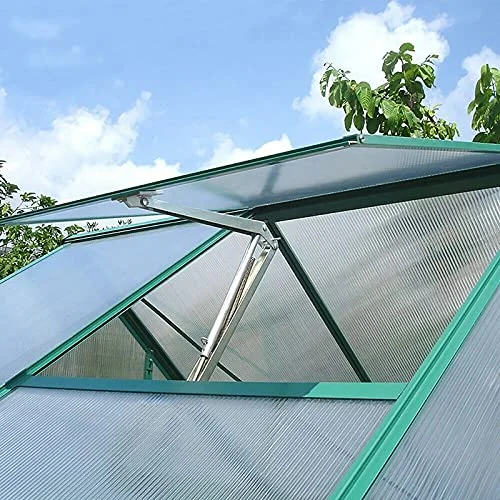
Use a small rectangular or square frame placed in a sunny corner of your yard. Choose tempered glass panels for durability and safety. A metal or aluminum frame works best for long-term use. Add a roof vent to release heat and maintain airflow inside the structure.
Key Benefits
- Maximizes sunlight exposure
- Fits small backyard spaces
- Improves plant growth quality
- Easy to maintain and manage
- Suitable for beginners
Best Plants to Grow
This setup is ideal for herbs, leafy greens, and compact vegetables. Plants like lettuce, spinach, basil, and small peppers perform well. You can also use it for seed starting before moving plants to larger spaces.
2. Lean-To Glass Greenhouse
A lean-to glass greenhouse attaches to an existing wall, saving space and improving heat retention. It solves two problems at once: limited space and temperature control. The wall absorbs heat during the day and releases it at night, which helps stabilize the environment. This reduces the need for extra heating. It is a strong option for urban homes or small gardens where building a freestanding structure is not practical.
Design Setup and Structure
Attach the greenhouse to a south-facing wall for maximum sunlight. Use a sloped glass roof to allow water runoff and improve light entry. Secure the frame properly to the wall for stability. Add small vents to manage heat buildup.
Key Benefits
- Saves space in tight areas
- Uses wall for natural insulation
- Reduces heating cost
- Easy access from home
- Efficient use of materials
Best Plants to Grow
This setup supports herbs, leafy greens, and early-stage plants. You can grow mint, coriander, lettuce, and seedlings. It also works well for extending the growing season of small vegetables.
3. Mini Tabletop Glass Greenhouse
A mini tabletop glass greenhouse is the smallest option for controlled plant growth. It solves the problem of indoor space limitation and protects delicate plants. You can place it on a table, shelf, or windowsill. It creates a microclimate that supports seed germination and early growth. This setup is perfect for beginners or anyone who wants a simple and low-cost solution for starting plants indoors.
Design Setup and Structure
Use a compact glass box with a lid or small vents for airflow. Place it near a bright window to ensure enough sunlight. The frame is usually lightweight metal or wood. Keep the design simple for easy handling and cleaning.
Key Benefits
- Very small and space-saving
- Easy to use indoors
- Protects young plants
- Low cost and simple setup
- Ideal for beginners
Best Plants to Grow
Best for seedlings, herbs, and small decorative plants. Basil, parsley, and microgreens grow well. It is also useful for propagating cuttings before moving them to larger pots.

- 10 Best Aquarium Light For Deep Tank 2026 - September 20, 2026
- 10 Best External Filter For 300 Litre Aquarium 2026 - September 20, 2026
- 10 Best Aquarium Light For 20/40/55/75 Gallon Tanks 2026 - September 19, 2026