What Makes Hummingbirds So Powerful? Their Personality Might Surprise You
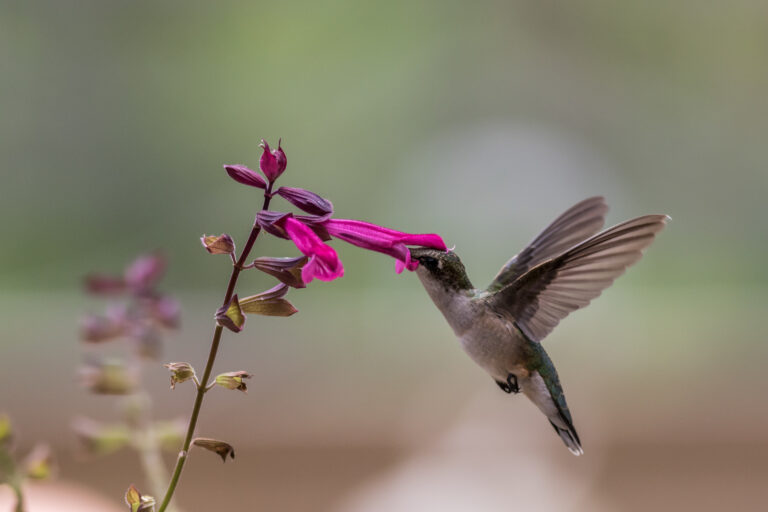
I remember the first time I saw a hummingbird up close. I was sitting outside one morning with a cup of coffee, and this small blur of motion zipped past my face and hovered near a hanging flower.
It was the size of my thumb, but it moved like a machine darting, stopping, then hovering so still you’d think it was weightless.
I didn’t hear a song or a chirp just the rapid buzz of wings moving too fast to see clearly.
At first, I thought I was just looking at a beautiful bird. But the more I watched it, the more I realized there was something deeper going on.
That little hummingbird wasn’t just showing off it was working with purpose, power, and precision. And it was showing a whole lot of personality while doing it.
In this post, we’re going to look beyond the colors and into the true nature of hummingbirds. What are the powers of a hummingbird?
How can something so small do things that seem impossible for most birds? And just as important what is the personality of a hummingbird?
Are they playful, aggressive, curious, or something else entirely?
If you’ve ever seen one up close or want to attract them to your backyard this guide will give you a deeper appreciation for how much life, energy, and attitude is packed into one of the smallest birds in North America.
What Are the Powers of a Hummingbird?
Hummingbirds are more than just colorful flashes in your garden. The powers of a hummingbird are built for survival, speed, and stunning precision. I’ve watched them up close in my own backyard, and I can tell you—these birds defy almost everything we assume about flight and bird behavior.
Let’s break down the abilities that make them so unique.
Hovering in Mid-Air
One of the first things I noticed about hummingbirds is how they float in place like no other bird. They do not perch and peck like a sparrow. Instead, they hover mid-air, steady and still, while feeding from a flower or feeder.
This ability comes from their wing structure. Hummingbirds flap their wings in a figure eight pattern, which generates lift on both the upward and downward stroke.
Their wings beat between 50 to 80 times per second, which gives them precise control over their position in the air.
If you’ve ever watched a hummingbird drink nectar while staying perfectly still in flight, you’re seeing one of the rarest abilities in the bird world. Most birds simply cannot hover like that.
Flying in All Directions
Hummingbirds can fly forward, backward, sideways, and even upside down. That flexibility is not just a neat trick it is one of their strongest powers for survival.
When I set up multiple feeders around my garden, I noticed how hummingbirds use their movement like a weapon.
They dodge, dart, and approach flowers from unusual angles. They use this to avoid predators and also to challenge other birds during feeding time.
Their wings rotate nearly 180 degrees at the shoulder joint, which is what allows this full-range movement. No other bird in North America can fly with this level of freedom.
High-Speed Wingbeats and Reflexes
Speed is everything to a hummingbird. Their wingbeats are not just fast—they are blindingly fast. With up to 80 beats per second, a hummingbird can outmaneuver most birds and insects. It is the reason they can hover so well, but also why they can escape threats in a split second.
I’ve seen a hummingbird freeze mid-flight, reverse away from a bee, and then come right back to the flower. You need fast reflexes for that. Their entire nervous system is built to support rapid movement and high reaction speed.
In tight spaces like flower beds or crowded feeders, this agility gives them a serious advantage.
Ultra-Fast Metabolism and Heartbeat
To power this intense flying ability, hummingbirds burn energy at a rate most animals cannot match. Their metabolism is the fastest in the bird world, and their heartbeat can reach over 1,200 beats per minute during flight.
Because of that, they need to feed constantly. I have seen hummingbirds return to the same feeder every 10 to 15 minutes throughout the day. They are not just snacking—they are surviving. Missing a few meals could mean torpor or even death.
If you’re putting out feeders, make sure they stay clean and full. These birds depend on it.
Long-Distance Migration
You might think a bird this small would avoid long trips, but that is not the case. The Ruby-throated Hummingbird, common in many parts of the U.S., flies nonstop over the Gulf of Mexico during migration. That is a 500-mile journey with no rest stops.
They prepare by doubling their body weight, storing fat to burn during the flight. I always find it incredible that a bird the size of a ping pong ball can outfly entire storms and land right back in the same yard the next year.
Migration is not optional. It is built into their survival. And the way they handle it shows just how powerful and resilient they really are.
UV Color Vision
This is one of their more hidden powers. Hummingbirds can see ultraviolet light, which means they perceive colors we cannot even imagine. This allows them to find flowers based on patterns invisible to the human eye.
I’ve tested this in my own yard by planting red, pink, and white flowers near each other. The hummingbirds will still go straight to the ones that reflect UV light best—even when they look the same to me. Their UV vision helps them detect nectar sources faster, and also lets them avoid flowers that have already been drained.
It is a perfect example of how their powers go beyond what we see.
What Is the Personality of a Hummingbird?
If you’ve ever spent time watching hummingbirds in action, you’ve probably noticed something strange for a bird so small—they have attitude. These birds don’t just fly, feed, and flutter around. They show emotion, intention, and even what looks like personality. And from my years of observing them in the wild and in my own backyard, I can confidently say: hummingbirds may be tiny, but they act like they run the show.
Here are the dominant traits that shape the personality of a hummingbird, based on behavior I’ve seen up close.
Bold and Fearless
You would think a bird that weighs less than a nickel would be cautious or shy. Not hummingbirds. I’ve watched one chase away a blue jay—ten times its size—just for getting too close to the feeder. They’re territorial and fearless when it comes to food or space.
This boldness helps them survive in competitive environments, especially when food sources are limited or when they’re defending a patch of flowers they rely on.
Highly Curious
Hummingbirds pay attention. They hover in place and stare at new feeders, freshly planted flowers, or even people. I’ve had them come right up to my face while I was wearing a red shirt, as if trying to figure out if I was a food source.
Their curiosity allows them to quickly locate nectar sources, spot threats, and even remember who fills the feeder regularly. Yes, they’ll come back to the same person at the same time if the routine is consistent.
Competitive and Aggressive
Hummingbirds do not like sharing. Especially males. I’ve set out multiple feeders, spaced far apart, and still watched one male try to dominate all of them. They’ll dive at each other, circle aggressively, and chirp in warning if another bird gets too close.
This aggression is part of their survival. In the wild, they need to defend access to the high-energy nectar they depend on. If they backed down, they might not make it through the day.
Smart and Purpose-Driven
Nothing about a hummingbird’s behavior is random. They remember which flowers had nectar, how long it takes to refill, and even how often you change the sugar water in a feeder.
I once had a hummingbird show up at my window every day around 6 a.m.—because I had a habit of refilling the feeder at that time.
That level of pattern recognition isn’t just intelligent—it’s purposeful. It helps them conserve energy and maximize their food intake.
Independent but Observant
Hummingbirds are not social birds. They don’t form flocks, and you rarely see them feeding side by side. But that doesn’t mean they’re unaware of what’s going on around them.
They notice changes quickly. They adapt to new plants and feeders almost immediately. And they respond to intruders without hesitation.
Even though they live alone, they stay constantly aware of other birds and changes in their territory.
How These Traits Help Them Survive
Hummingbirds are not just showing off when they hover, dive, or guard a flower with attitude. Every one of their unique traits plays a direct role in helping them stay alive.
These birds burn energy fast, face constant threats, and compete hard for limited food. If they weren’t bold, fast, and smart, they wouldn’t make it.
I’ve watched hummingbirds fight through windstorms, dodge bees, and return to the same feeder even after I moved it. That isn’t luck—it’s a survival strategy.
Let’s break down how their traits directly help them thrive in the wild and in our backyards.
Boldness Helps Them Defend Limited Resources
Nectar is not unlimited. One flower only holds a few drops at a time, and a feeder can run dry in a single afternoon. Hummingbirds know this.
Their bold personality allows them to protect feeding areas from intruders. I’ve seen a single male take on three rivals at once just to control one feeder.
Without that fearlessness, they would get pushed out of the best feeding zones.
Curiosity Leads to Better Food Access
Hummingbirds don’t wait around to be fed. They explore constantly. That curiosity helps them discover new flowers, test out fresh nectar sources, and even recognize human routines.
In my yard, they found a new feeder within 30 minutes of me hanging it without a drop of red dye.
Their willingness to investigate makes them more efficient than other birds that stick to familiar habits.
Aggression Keeps Them Ahead in Competition
Let’s be honest—if you’re burning calories at the rate hummingbirds do, you can’t afford to share. Their competitive nature is not selfish, it is practical. It ensures that they get the energy they need before anyone else does.
This is especially important during migration or dry seasons when flowers are scarce. The more aggressive bird survives. I’ve seen it play out at feeders too many times to count.
Memory and Intelligence Save Energy
Flying burns calories fast. Instead of wasting time checking every flower, hummingbirds remember which ones they’ve visited, how long they take to refill, and where the best sources are. That precision lets them feed more efficiently and avoid unnecessary flights.
It’s also why you’ll see them return to the exact same spot every day—down to the hour.
Reflexes and Flight Agility Protect Them from Danger
With predators like snakes, hawks, and even cats around, hummingbirds rely on pure reflexes to stay safe. They can change direction instantly and disappear into trees before you can blink. Their speed, flexibility, and aerial awareness make them incredibly hard to catch.
When I saw a hummingbird dodge a hornet mid-air and then circle right back to feed, I understood how flight skills are not just impressive—they are essential.
Hummingbirds survive because their bodies and minds are built for nonstop, high-performance living. Every trait—boldness, intelligence, speed, aggression—is tuned to help them meet the demands of daily life.
These birds may be small, but they play a high-stakes game. And they way
Frequently Asked Questions About Hummingbirds
Can hummingbirds recognize people?
Yes, they can. I’ve had hummingbirds visit my window every morning once they got used to my routine of filling the feeder. Over time, they associate certain colors, movements, or even your presence with food. If you’re consistent, they may start to hover nearby while you fill the feeder—waiting patiently.
Why do hummingbirds fight so much?
Hummingbirds are naturally territorial. Their survival depends on easy access to high-energy nectar, and they do not like to share. If you see them chasing each other around the yard, they are likely defending a flower patch or feeder. You can reduce the aggression by spacing out multiple feeders so one bird cannot guard them all.
How often do hummingbirds eat?
Constantly. Their metabolism is so fast that they must feed every 10 to 15 minutes during daylight hours. That means visiting hundreds of flowers or returning to your feeder throughout the day. I’ve seen some come back 20 times in an afternoon.
Do hummingbirds sleep?
Yes, and in a very unique way. At night, or during very cold weather, hummingbirds go into a deep rest state called torpor. It slows their heart rate and conserves energy. They often cling to a protected branch and stay still for hours. If you’ve ever thought a hummingbird looked frozen or lifeless in the early morning, they were likely just in torpor.
How far do hummingbirds migrate?
Some species migrate thousands of miles each year. The Ruby-throated Hummingbird flies over 500 miles across the Gulf of Mexico in a single trip—nonstop. They bulk up before migration by storing fat, then rely on instinct and strength to make the journey. I’ve had the same hummingbirds return to my garden year after year, usually within a few days of the previous season.
What do hummingbirds eat besides nectar?
While nectar provides quick energy, hummingbirds also need protein. They eat small insects like gnats, fruit flies, and tiny spiders. I’ve seen them hover around plants just to catch bugs hiding underneath the leaves.
Can I hand-feed a hummingbird?
Yes, with patience. If you remain very still and hold a small feeder or red cap with nectar, they may come close enough to feed from your hand.
It takes time and consistency, but it is possible. They are bold and curious enough to investigate people they trust.
Conclusion: A Tiny Bird with Massive Impact
After years of watching hummingbirds up close whether they were zipping between flowers in the morning or chasing rivals off my feeder in the afternoon I can say this with confidence: no bird punches above its weight like a hummingbird.
They are not just beautiful. They are tough, bold, fast, and surprisingly intelligent. From hovering like a drone to flying backward in an instant, their powers are unmatched in the bird world.
Their personality, too, makes them unforgettable. Whether it is their fearless attitude or their obsessive attention to routine, these birds act with intention every second they are awake.
If you live in the U.S. and want to experience this for yourself, you do not need a big yard or expensive gear.
A simple feeder, some native plants, and a quiet space to observe will be enough to welcome hummingbirds into your life.
And once you do, you will see exactly why these tiny birds have earned such a big reputation.
Have your own hummingbird stories or tips? Share them. Let’s connect and compare what we’ve seen. One thing is for sure: there is always more to learn from the bird that never stops moving.

- Polycarbonate Panels For Greenhouse Durable Options For Enhanced Growth 2026 - February 27, 2026
- 10 Best Organic Fertilizers for Winter Crops: The Complete Guide - February 23, 2026
- 10 Best Overwinter Fertilizers for Vegetable Garden in 2026 - February 23, 2026