Coffee Grinder vs Spice Grinder: Why You Should Never Mix the Two
While a coffee grinder and a spice grinder may look similar, their internal mechanisms often differ. A spice grinder typically uses a spinning blade to pulverize ingredients into various sizes. A high-quality coffee grinder uses burrs to “crush” beans into a uniform particle size, which is essential for even extraction. Using the same machine for both leads to “flavor ghosting,” where your morning coffee tastes like last night’s cumin.
You are standing in your kitchen with a bag of whole peppercorns and a bag of expensive roasted coffee beans, wondering if you really need two separate machines to grind them. Most people try to swap them, only to end up with a cup of coffee that tastes faintly of garlic or a spice blend that is uneven and gritty.
The truth is that while both machines “grind,” one is a precision instrument for extraction and the other is a high speed demolition tool for tough aromatics.
This guide breaks down the mechanical DNA of coffee grinders versus spice grinders. I will explain why “blade” machines fail your coffee and how to manage your kitchen tools so your espresso never tastes like a curry again.
The Precision of the Coffee Grinder: Built for Burrs

If you want a cup of coffee that tastes like a professional barista made it, the Baratza Encore Conical Burr Grinder is the gold standard for home use.
Why Uniformity is the Secret to Great Tasting Coffee
Coffee extraction is all about surface area. If your coffee grounds are a mix of dust and large chunks, the water will pull too much bitterness from the small pieces and not enough flavor from the big ones. A burr grinder acts like a mill, squeezing the beans through two serrated plates. This ensures every single particle is the exact same size. This uniformity is what gives you that clean, balanced taste in your morning mug.
The Problem with Heat: How Fast Blades Ruin Your Beans
Most people do not realize that heat is the enemy of coffee beans. Cheap blade grinders spin at such high speeds that they generate friction heat, which actually starts “pre cooking” the oils in your coffee before the water even hits them. This leads to a burnt, ashy flavor. A burr grinder operates at a lower RPM, keeping the beans cool and the flavor notes intact.
The Versatility of the Spice Grinder: The Blade Master
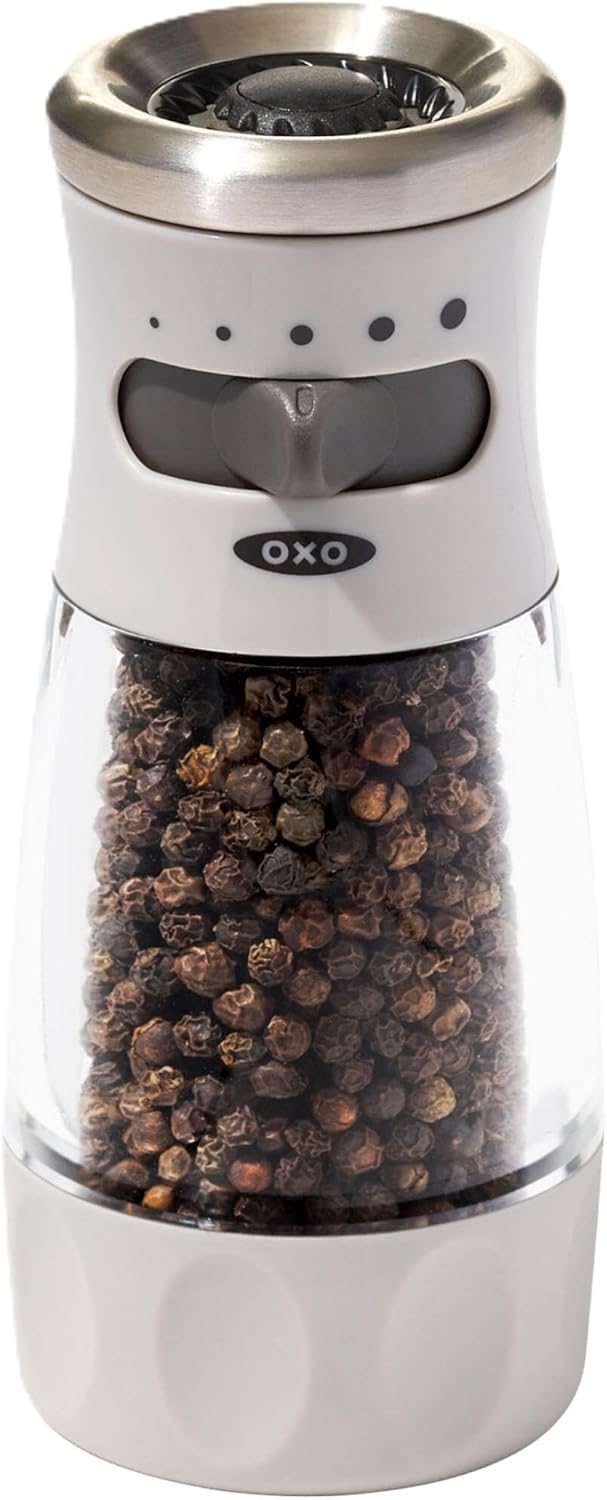
For pulverizing tough aromatics and making fresh curry powders, the Cuisinart Electric Spice and Nut Grinder is the heavy duty workhorse every kitchen needs.
Pulverizing Tough Seeds: Cinnamon, Cloves, and Peppercorns
Spices are often much harder and more fibrous than coffee beans. A cinnamon stick would jam a high end coffee burr instantly. A spice grinder uses a stainless steel blade that acts like a machete. It relies on sheer velocity to smash through hard seeds and pods. It is built for impact, not for the delicate squeezing action of a mill.
Why Spice Grinders Use Blades Instead of Burrs
The internal oils in spices like cloves and star anise are incredibly sticky. If you put them through a burr grinder, they would coat the plates in a resin that is almost impossible to remove. Blade grinders are much easier to wipe clean, and the simple stainless steel bowl can handle the aggressive, pungent oils of fresh turmeric or ginger without staining permanently.
The Flavor Ghosting Phenomenon: A Warning
If you are a coffee purist, you need to invest in Urnex Grindz Coffee Grinder Cleaning Tablets to keep your equipment from holding onto old scents.
The Persistence of Cumin: Why Deep Cleaning Rarely Works
The essential oils in spices are “volatile,” meaning they evaporate and cling to every plastic part and rubber seal inside your machine. I have tried using vinegar, baking soda, and even compressed air, but once you grind garlic in a machine, that machine belongs to the garlic. Flavor ghosting is real, and it will turn your morning ritual into a culinary nightmare.
How Oily Spices Can Damage Sensitive Coffee Burrs
Coffee burrs are precision engineered tools. When you introduce the heavy, thick oils of cloves or cardamom, they create a film on the burrs that attracts coffee dust. This creates a “sludge” that can eventually strain the motor or cause the burrs to lose their edge. It is an expensive mistake to make with a machine that costs five times more than a simple spice mill.
First Reflection: We often try to be minimalists in the kitchen to save space, but some tools are simply not interchangeable without a cost.
My 4-Step Solution for Grind Success
If you are tired of inconsistent flavors and want to streamline your kitchen, follow this logical plan:
-
Separate Your Tools: Buy a high quality burr grinder for your coffee and a cheap, twenty dollar blade grinder strictly for spices. Label them if you have to.
-
Use the “Dry Bread” Trick: If you have a blade grinder for spices, grind a piece of dry, stale bread between different spice blends. The bread crumbs will absorb the leftover oils and scents.
-
Buy Whole Spices: Never buy pre ground pepper or cumin again. Grinding them fresh in your dedicated spice mill will change your cooking more than any new pan ever could.
-
Clean with Tablets, Not Water: Never run water through your coffee burrs. Use dedicated cleaning tablets once a month to absorb the coffee oils that naturally build up and go rancid.
Second Reflection: The best kitchen tools are the ones that let the ingredients speak for themselves without adding their own unwanted “commentary.”
Question Based Headings (Intent Coverage)
Can I use a coffee grinder as a spice grinder?
Technically yes, if it is a blade grinder. However, you will never get the smell out. If it is a burr grinder, absolutely not. You risk jamming the motor and ruining the flavor of your coffee forever.
Will grinding spices ruin my expensive burr grinder?
Yes. The oils will coat the burrs, and hard spices like cinnamon or nutmeg can chip the precision edges of the steel or ceramic plates.
How do I get the smell of garlic out of my coffee grinder?
It is nearly impossible to get it 100% out of the plastic components. You can try grinding dry white rice or cleaning tablets, but the scent usually lingers in the rubber gaskets. It is better to just keep them separate.
Is a manual coffee grinder good for spices?
Manual grinders use burrs, so they are not recommended for spices. The oils will be even harder to clean out of a manual unit, and you won’t be able to grind hard spices like peppercorns effectively.
Why is my spice grinder making my herbs turn into a paste?
This happens when you run the grinder for too long without pulsing. The friction heat releases the oils and moisture in the herbs. Pulse in short bursts to keep the ingredients cool and dry.
Final Verdict: Matching the Tool to Your Daily Ritual
In my fifteen years behind the counter and the stove, I have realized that the burr coffee grinder is a precision instrument and the spice grinder is a power tool.
If you care about the nuances of a light roast coffee, you need a dedicated burr mill. If you care about the punch of a fresh curry, you need a dedicated blade grinder. Trying to make one machine do both is like trying to use a scalpel to chop wood. You will just end up with a broken scalpel and a mess of wood.
Third Reflection: Respecting the tool is the first step toward respecting the craft of cooking.
I would love to hear your “flavor ghosting” horror stories. Have you ever accidentally made onion flavored coffee? What is the one spice you find impossible to clean out of your gear? Let’s talk about it in the comments below! Share your tips so we can all keep our morning brews pure and our evening dinners spicy.

- Polycarbonate Panels For Greenhouse Durable Options For Enhanced Growth 2026 - February 27, 2026
- 10 Best Organic Fertilizers for Winter Crops: The Complete Guide - February 23, 2026
- 10 Best Overwinter Fertilizers for Vegetable Garden in 2026 - February 23, 2026