9 Types of Cooking Spoons You Must Have in Your Kitchen
I learned this lesson the hard way. I once tried to stir a thick tomato sauce with a thin metal spoon. The handle heated up fast, scratched my nonstick pan, and left a slight metallic taste in the sauce. That moment changed how I look at something as simple as a cooking spoon.
Most home cooks focus on pots, pans, and knives. Very few think about the spoon in their hand. Yet the right cooking spoon controls heat, protects cookware, improves flavor, and even changes texture. I use different spoons for soup, pasta, sauces, and sautéing because each one solves a specific kitchen problem.
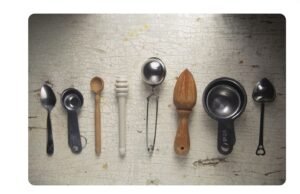
In this guide, I share the 9 types of cooking spoons you must have in your kitchen. I explain how each one works, when to use it, and why it matters. If you cook at home in the USA and want tools that last, this breakdown will help you build a smarter, more efficient kitchen setup.
If you have ever burned a sauce, scratched a pan, or struggled to drain pasta, the solution might be simpler than you think. Let us explore the essential cooking spoons that make everyday cooking easier and more enjoyable.
The “old reliable” of the kitchen. Wood is a poor conductor of heat, meaning the handle stays cool even if it sits in a boiling pot.
-
Core Features & Materials: Usually crafted from hardwoods like beech, maple, or bamboo. They are sturdy, won’t react with acidic foods (like tomato sauce), and have a comfortable, ergonomic feel.
-
Best Uses: Stirring thick sauces, simmering soups, and sautéing aromatics.
-
Nonstick Protection: Unlike metal, wood is soft. It won’t scratch or flake off the delicate PTFE or ceramic coatings on your nonstick pans, extending their lifespan significantly.
-
Maintenance Tips: * Hand wash only: Dishwashers cause wood to warp and crack.
-
Oil occasionally: Use food-grade mineral oil to keep the wood from drying out.
-
Dry immediately: Don’t let them soak in the sink, as wood absorbs water and can harbor bacteria.
-
Table of Contents
Toggle3. Slotted Spoon
The ultimate “filter” for your stovetop.
-
Design & Function: Features large holes or slots that allow liquid to drain away while retaining the solids.
-
Ideal For: Lifting blanched vegetables, retrieving pasta shapes, or removing fried foods from hot oil.
-
Slotted Spoon vs. Skimmer: * A slotted spoon is typically deeper and designed for scooping larger items.
-
A skimmer (or spider) has a flatter, mesh-like head designed to remove fine foam, fat, or small debris from the surface of a liquid.
-
4. Silicone Spoon
The modern hybrid that bridges the gap between a spatula and a spoon.
-
Heat & Flexibility: High-quality silicone can withstand temperatures up to 315°C (600°F). The flexible edges allow the spoon to “hug” the sides of a bowl or pan.
-
Safety: 100% safe for nonstick and ceramic surfaces. It is virtually impossible to scratch a pan with silicone.
-
Best For: Scraping every last drop of batter from a bowl or gently folding delicate ingredients (like egg whites) into a heavy mixture.
5. Stainless Steel Spoon
The heavy-duty workhorse for high-intensity cooking.
-
Durability: Virtually indestructible. It won’t melt, snap, or stain, making it perfect for high-heat performance.
-
Ideal For: * Browning Meat: Great for breaking up ground beef.
-
Deglazing: The firm edge is perfect for scraping up fond (the tasty browned bits) from the bottom of a pan.
-
Heavy Dishes: Perfect for thick stews or casseroles where a wooden spoon might flex too much.
-
-
When to Avoid: Never use steel on nonstick or seasoned cast iron. The hard metal will gouge the coating or strip the seasoning, leading to stuck food and ruined pans. Save these for your stainless steel or copper cookware.
6. Serving Spoon
The “bridge” between the kitchen and the dining room.
-
Design: Features a larger, wider bowl than a standard eating spoon, designed to hold a substantial “portion” of food in one scoop.
-
Best For: Plating side dishes, dishing out casseroles, and formal table service.
-
Vs. Cooking Spoon: A cooking spoon usually has a longer handle to keep hands away from heat and may be made of wood or silicone. A serving spoon often has a shorter, more decorative handle and is typically made of polished stainless steel or ceramic to look better on a dinner table.
7. Ladle
The specialist for liquids and “one-pot” wonders.
-
Deep Bowl Design: Specifically shaped like a deep cup to hold liquids without spilling. Perfect for soups, stews, and punches.
-
Portion Control: Many professional ladles are sized by the ounce (e.g., a 4oz ladle), allowing you to serve consistent amounts and track calories or inventory accurately.
-
Considerations: * Handle Length: Longer handles are better for deep stockpots to prevent the spoon from sliding in.
-
Materials: Stainless steel is best for high heat; silicone is better for protecting the bottom of coated Dutch ovens.
-
8. Mixing Spoon
Built for depth and leverage.
-
Long Handle: Designed specifically to reach the bottom of deep mixing bowls or massive stockpots without your knuckles getting messy.
-
Best For: Thick cake batters, heavy bread doughs, or stirring large batches of chili.
-
Vs. Cooking Spoon: While a standard cooking spoon is for general stirring, a mixing spoon often has a reinforced neck to handle the resistance of thick batters and a larger surface area for moving more volume.
9. Pasta Spoon (Pasta Fork)
The specialized tool for the “noodle nightmare.“
-
Pronged Edge: The “teeth” around the edge are designed to snag and grip slippery long noodles like spaghetti or linguine that would slide off a regular spoon.
-
The Center Hole: This serves two purposes:
-
It allows hot water to drain away as you lift the pasta.
-
In many designs, the hole is sized to measure exactly one dry serving of spaghetti.
-
-
Best For: Transferring pasta directly from boiling water to a finishing sauce.
10. Basting Spoon
The secret to a moist Sunday roast.
-
Shallow, Wide Bowl: Unlike a ladle, it is relatively flat. This allows it to skim the thin layer of fats and juices from the bottom of a roasting pan.
-
Flavor Distribution: By repeatedly spooning these hot juices back over the meat (basting), you create a “self-marinating” effect. This keeps the surface of the meat moist, helps spices penetrate the skin, and contributes to a beautiful, even golden-brown glaze.
-
Best For: Roasting whole chickens, turkeys, or thick steaks basted in butter and herbs.
11. How to Choose the Right Cooking Spoon
Selecting the right tool is a balance between your cookware, your cooking style, and your willingness to perform maintenance.
Material Comparison: The Big Three
The material of your spoon dictates how it interacts with both your food and your pans.
| Material | Best For | Pros | Cons |
| Wood | General stirring, sauces, scraping fond | Non-reactive, heat-resistant handle, aesthetic. | Not dishwasher safe; can absorb odors. |
| Silicone | Baking, nonstick pans, delicate folding | Flexible, easy to clean, heat-proof. | Can feel “floppy” for heavy meat or dough. |
| Stainless Steel | Searing, deglazing, heavy-duty serving | Indestructible, hygienic, dishwasher safe. | Scratches nonstick; handle can get hot. |
Heat Resistance Guide
Heat resistance is critical for safety and tool longevity.
-
Silicone: High-quality food-grade silicone usually handles up to 315°C. It is the gold standard for high-heat stovetop work in nonstick pans.
-
Nylon/Plastic: Usually capped at 200°C. Avoid these for long-term simmering or high-heat frying, as they can leach chemicals or melt.
-
Wood: Naturally heat-resistant but can char if left over an open flame. It does not melt.
-
Metal: Can withstand any kitchen temperature but conducts heat rapidly. Ensure yours has a “cool-touch” or silicone-wrapped handle.
Care and Maintenance Tips
To get a decade of use out of your spoons, follow these golden rules:
-
The “No-Soak” Rule for Wood: Never leave wooden spoons submerged in water. They swell, and as they dry, they crack (warp), creating “pockets” for bacteria.
-
Silicone Stains: If your white silicone spoon turns orange from turmeric or tomato sauce, make a paste of baking soda and water, let it sit for 30 minutes, then scrub.
-
Check for “Burrs”: Inspect metal spoons for sharp nicks or burrs that could scratch your hands or pans. Smooth them out with fine-grit sandpaper if necessary.
Budget vs. Premium Options
-
Budget: You can find excellent bamboo and nylon sets at big-box retailers. These are perfect for starters but may need replacing every 1–2 years due to staining or chipping.
-
Premium: Investing in high-grade 304 Stainless Steel or Olive Wood is a one-time purchase. Premium silicone tools often feature a reinforced steel core, preventing the “floppy” feeling of cheaper versions.
12. Frequently Asked Questions
What is the most versatile cooking spoon?
If you could only own one, the Wooden Spoon (specifically one with a flat edge, often called a “Spoonula” or “Corner Spoon”) is the winner. It is sturdy enough for heavy stews, soft enough for nonstick, and won’t melt if you accidentally leave it in the pot.
Are wooden spoons better than silicone?
It depends on the task. Wood is superior for scraping the bottom of a pan to get flavor up (deglazing) because it is rigid. Silicone is superior for cleaning the sides of a bowl or pan because it is flexible. Most kitchens benefit from having at least one of each.
How many cooking spoons should a kitchen have?
For a functional home kitchen, a “minimalist set” of five is ideal:
-
1 Wooden Spoon (General cooking)
-
1 Silicone Spoon (Baking/Nonstick)
-
1 Slotted Spoon (Lifting/Draining)
-
1 Stainless Steel Spoon (Heavy browning/Deglazing)
-
1 Ladle (Soups/Serving)
Summary: The Anatomy of a Perfect Spoon
When shopping, look for unibody construction (tools made of one solid piece). In silicone and wood, this prevents food and bacteria from getting trapped in the “seam” where the head meets the handle. In metal, it ensures the head will never snap off during a heavy stir.
By understanding these ten types of spoons and the materials they are made from, you aren’t just buying “utensils”—you are choosing the right partners for your culinary adventures.

- 10 Best iPhone 13 Pro Camera Protectors for Reliable Lens Safety 2026 - March 2, 2026
- 10 Best iPhone 14 Pro Cases with Camera Protection 2026 - March 2, 2026
- 10 Best iPhone 14 Pro Max Cases for Camera Protection 2026 - March 2, 2026