
Specs are compiled from manufacturer listings and verified buyer reviews and can change over time — please confirm the key details on the product page before buying.
If your regular shoe size is a wide, snow boot shopping is where the plans fall apart. You order the “wide” width, pull the boot on over a wool sock, and your toes go numb before you reach the end of the driveway. The fix is not a bigger size — it is picking a boot with enough room built into the toe box from the start, and the six boots below are the ones that actually deliver it.
This guide is built by comparing the manufacturers’ published specifications and the patterns across verified customer reviews, so you get each pick’s real strengths and trade-offs instead of marketing spin.
A wide boot only works if the toe box, ankle opening and shaft all agree with your foot, so the shortlist below pairs real width with real warmth. That is exactly what separates these picks from the rest of the women’s wide snow boots shelf.
Top Picks

How To Choose The Best Women’s Wide Snow Boots
The single mistake that ruins most wide snow boot purchases is ordering your normal length in a wide width and expecting the toe room to appear on its own. Width and length are two separate measurements, and a boot has to offer both before your toes stop pressing against the front.
Width Is A Separate Number From Length
Look for a listing that states a wide width as its own size option rather than a “roomy fit” claim. The Comfortview Brienne comes in full sizes 7-12 in M and W only, which is the kind of plain width label you can actually shop by. When the width is spelled out, you can size against it instead of guessing.
How You Get The Boot On Matters As Much As The Fit
A wide boot with a snug ankle opening is a boot you cannot wear over thick socks, no matter what the toe box measures. A back zipper or a wide collar opening solves this before you ever break the boot in. The Eagsouni boot runs a zip down the side, while the Columbia Snowtrot Shorty has no side zipper at all — that difference decides your morning routine.
Waterproofing And Insulation Do Different Jobs
Waterproofing keeps slush and wet snow from soaking through; insulation keeps body heat from leaving. A boot can be excellent at one and only adequate at the other, so read both. Seam-sealed construction is the phrase to hunt for on the waterproof side, and the Lands’ End Expedition Max spells it out in its listing.
Side-by-Side Comparison
| Model | Best For | Width Options | Boot Height | Closure | Amazon |
|---|---|---|---|---|---|
| Columbia Women’s Minx IV★ Best Overall | Overall wide winter boot | Wide width offered | Mid-calf | Lace-up | Amazon |
| Eagsouni Barefoot Wide Toe BoxWidest Toe Box | Extra toe room on a budget | Wide width offered | Short | Side zipper | Amazon |
| Lands’ End Expedition Max | Cold-weather reliability | Wide width offered | — | Slip-on, no zipper | Amazon |
| Columbia Minx Slip V | Slip-on everyday snow boot | Medium and wide sizing noted by buyers | — | Slip-on | Amazon |
| Comfortview The Brienne | Budget wide width, casual wear | Full sizes 7-12, M and W only | 6½ inch shaft | Slip-on | Amazon |
Detailed Reviews
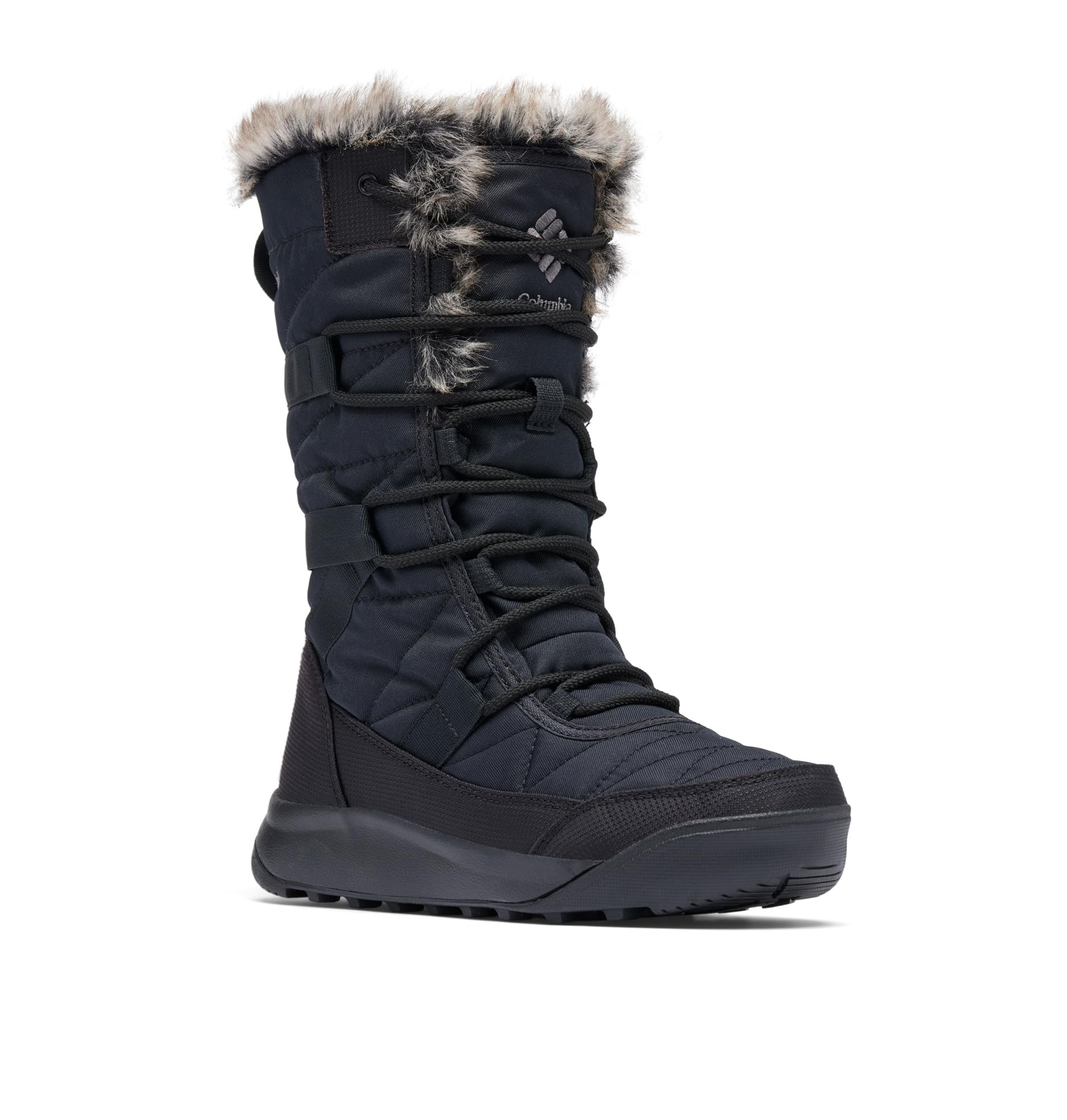
1. Columbia Women’s Minx IV
Our pick — 4.5+★ from 650+ verified ratings; the strongest balance of quality and price.
The mid-calf lace-up that carries a wide foot through a real northern winter.
The reason this one takes the top spot is simple: it covers all three jobs at once. You get a wide width, a waterproof upper, and warmth that holds up in genuinely cold weather. Buyers describe lace-up boots like this as feeling closer to a sneaker than a heavy winter boot, which is why it works for a full day of errands instead of just the walk to the car.
A mid-calf shaft is the quiet hero here. Owners who wore theirs through a winter of record low temperatures report their feet stayed warm without thick socks — the mid-calf shaft covers more of the leg, so less insulation is needed. On the sizing side, sizing up a half step is the collective wisdom: as owners put it, “Sized up 0.5 for wool socks, only needed below -15°F.”
The catch is width, and it is worth saying plainly. Even the wide version needs a break-in period for some buyers, and the lace-up closure means short laces are a recurring gripe. Traction on packed ice is also the weak point — snow is fine, slick ice is not. If you walk a cleared sidewalk that glazes over, plan your route or add traction.
Where It Wins
- Wide width paired with a waterproof upper and real cold-weather insulation.
- Mid-calf height keeps feet warm enough that thick socks become optional.
- Soft, cushioned interior that people compare to a sneaker rather than a boot.
- Faux fur trim and a look owners describe as cute enough for everyday wear.
Where It Needs Patience
- The wide still needs breaking in for some feet, and short laces come up often.
- Ice traction trails its snow traction.
- Warm enough that it can feel like too much for a short commute.
Reach for this if: you want one boot that handles deep cold, wet snow and a wide toe box without buying specialty gear.
Think twice if: icy sidewalks are your daily route — the tread handles snow far better than glare ice.
2. Eagsouni Womens Mens Barefoot Winter Snow Boots Wide Toe Box
A zero-drop short boot that treats toe width as the whole point, not an afterthought.
If standard women’s boots have never had enough room across the toes, start here. This is a barefoot-style boot with a zero-drop sole (the heel sits level with the toe, so your foot lies flat) and an intentionally roomy toe box. It is built as a unisex short boot with a side zipper, which means it goes on without a fight even on a swollen or sensitive foot.
Owners put this boot through serious cold and it held up. One pair went on Alaska aurora tours at -25F with two handwarmers per boot, one at the top and one at the bottom, and performed perfectly. The same buyer called out that the super wide toe box is simply not available in women’s models, and liked it enough to buy a second pair for their mom. The fur lining and warmth get steady praise, and the look draws more compliments than the price would suggest.
Here is the honest limit: this is a barefoot boot, so it has no arch support of its own. Buyers who need cushioning add their own insole, and one notes they would add arch support. The zipper is the other friction point — buyers with limited hand strength find it hard to work, and a few say the material is not sturdy enough to force. If you want a firm, structured boot, this is the wrong shape.
What it does best: gives an extra-wide forefoot a genuinely wide toe box at a budget price, with warmth that survived a -25F trip.
Know before you buy: no built-in arch support and a zipper that demands a bit of hand strength.
This one is for: wide or hard-to-fit feet that want room to spread out and a slip-on short boot.
Not the pick for: anyone who needs firm arch support straight from the start or struggles with a side zip.
3. Lands’ End Womens Snow Boots
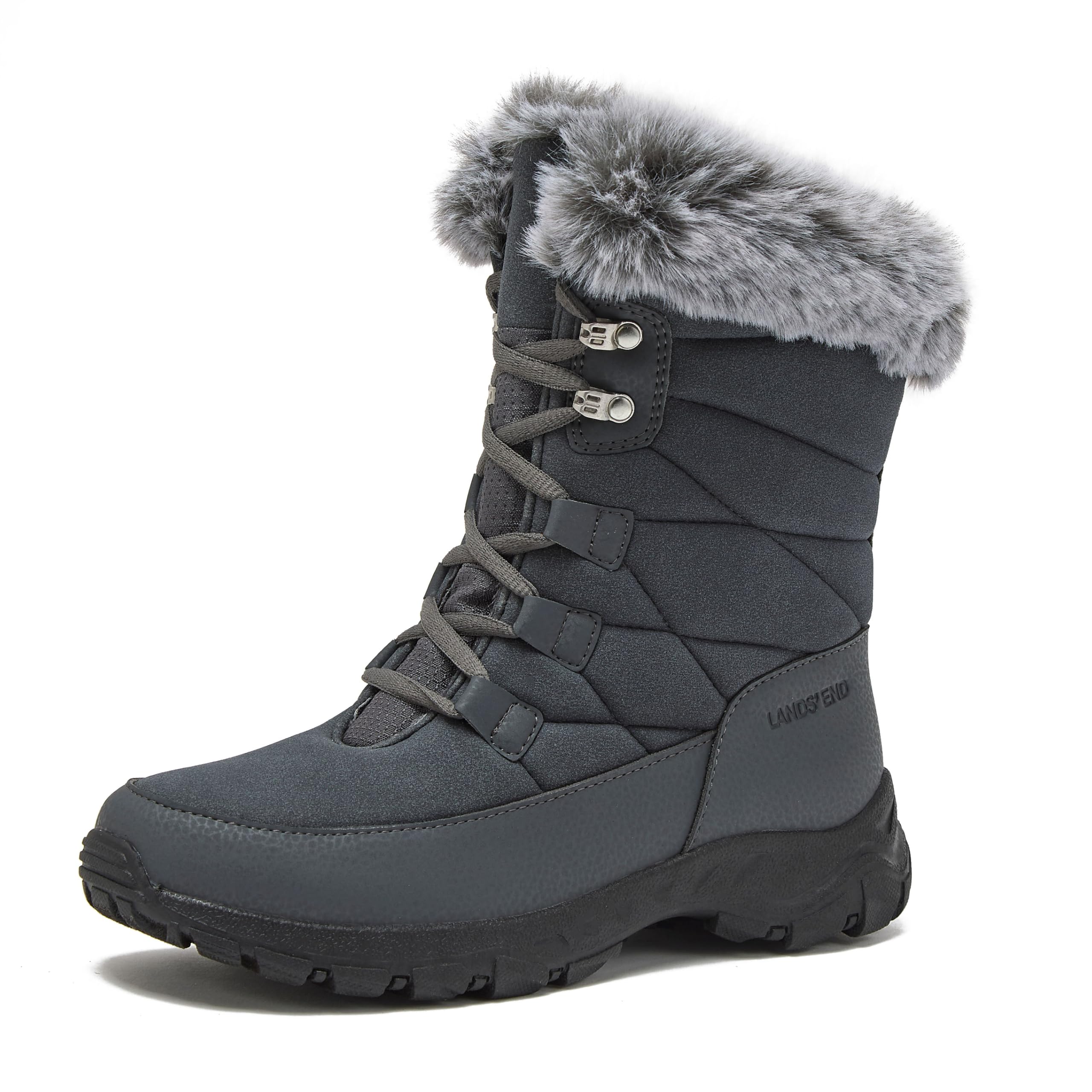
Seam-sealed construction and a memory-foam footbed for the buyer who stands around in the cold.
Standing at a bus stop or a rink for an hour is a different job than walking, and this boot is aimed squarely at it. The seam-sealed build means the seams themselves are sealed against water, not just the outer material, so there is no gap where slush creeps in. The upper is waterproof, and it comes in black, brown, blue, white or grey across sizes 6-11.
What wins people over is how much grip and cushioning you get for the money. The lugged outsole grips packed snow and icy patches without crampons, the footbed is memory foam, and the boot stays light on the foot. Owners wear them all day and describe them as toasty and dry, easy to pull on and off with no laces to fight, and dressy enough for the office. A faux fur trim finishes the look.
Sizing is the piece to get right before you order. This boot runs large, and the consistent advice is to go a half size down — a size 9 foot ended up swimming in an 8.5. Insulation is described as adequate rather than extreme, so for standing still in deep cold you still want thick socks. There is also no side zipper, which is fine for most feet but a consideration if you need a wide opening.
The value read: seam-sealed waterproofing, memory-foam cushioning and a grippy outsole, arranged as one easy-on boot.
The sizing note: order half a size down, and layer thick socks if you plan to stand around in the cold.
Built for: cold-weather commuters and anyone who spends time standing on frozen ground.
Look elsewhere if: you need a full-zip opening or insulation for extreme sustained cold.
4. Columbia Women’s Minx Slip V Snow Boots
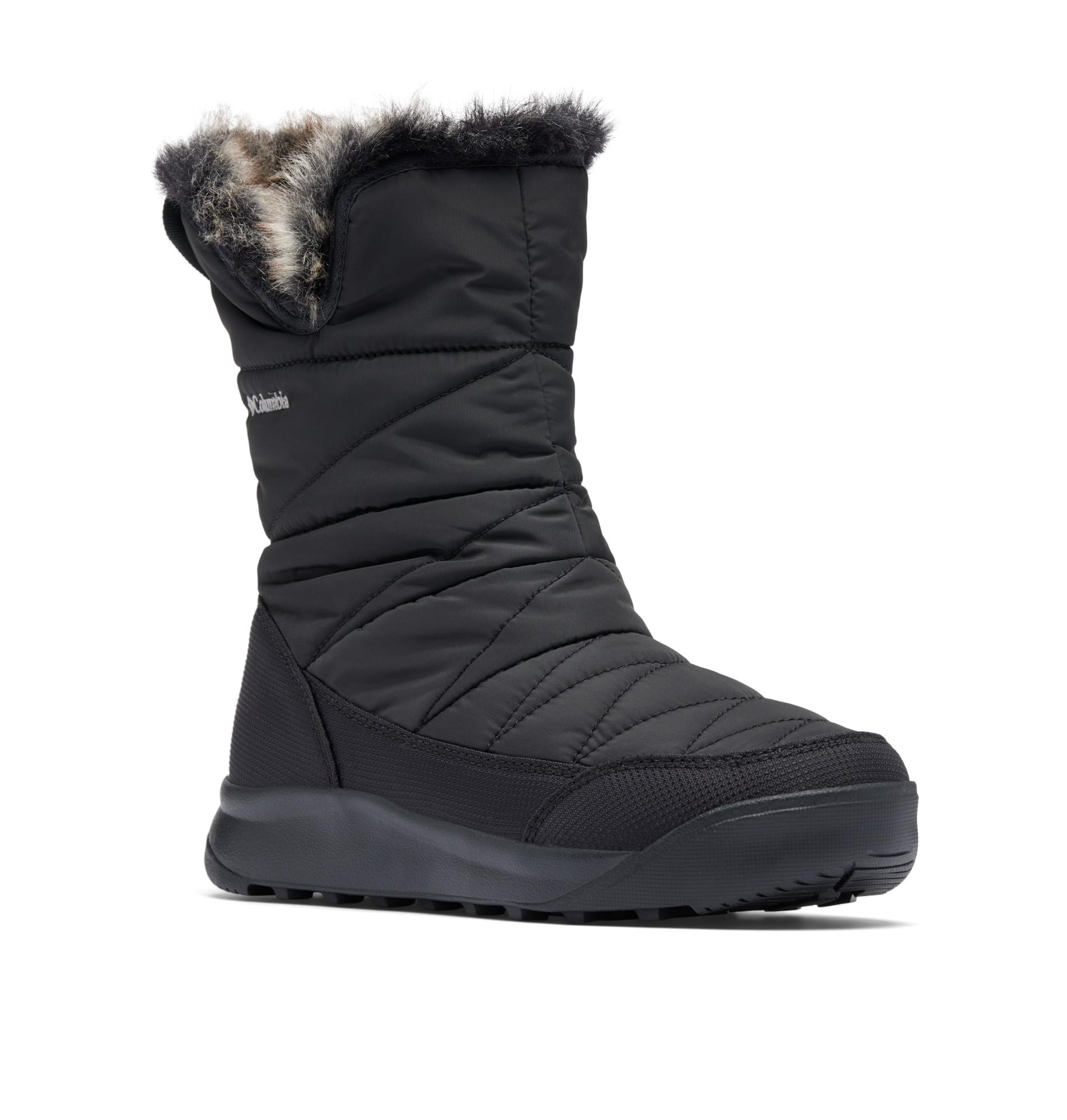
A no-lace winter boot for the buyer who wants to step in and go.
No laces, no zipper, no fuss. This is the slip-on version of the Minx family, and it keeps the look that family is known for. Buyers describe it as cute enough for everyday wear, warm in snowy conditions, and snug once your foot is in — a combination that works for ski trips, errands, and the walk from the car.
Insulation and durability are the reasons people stay with it. It is lightweight for a winter boot, which matters on a day you are in and out of the car a dozen times.
The honest issue is sizing, and it cuts against wide feet specifically. This boot runs small and narrow, and buyers report you should go at least half a size up, sometimes a full size, especially if you wear thick wool socks. A 9.5 medium was too small and narrow for one wearer, and even a 10 still left no room to wiggle the toes. If your foot is genuinely wide, treat this as a boot to order up in and expect a snug toe. A rare pair turned up with a mismatched fit, which is a return rather than a design flaw.
The easy-morning case: a pull-on boot that needs no laces, keeps feet warm in the snow, and has the tread for icy ground.
The sizing reality: it runs small and narrow, so wide feet need to size up rather than order their usual number.
Suits you if: you want a stylish pull-on boot for daily winter wear and do not mind ordering a size up.
Better skipped if: your feet are truly wide — the toe box will still feel tight even after sizing up.
5. Comfortview Women’s Wide Width The Brienne Waterproof Boot

The budget boot that gives you a formal wide sizing chart and a fleece-lined shaft.
This is the most budget-friendly way to get an actual wide width rather than a hoped-for one. It comes in full sizes 7-12 in M and W only, with a nubuck suede-like upper, fleece lining and a faux-fur cuff. The padded insole and flexible, skid-resistant outsole suit short errands and the walk to the driveway.
The specs that matter for a wide foot are all here: a 6½ inch shaft height covers the ankle, and there is a 1 inch heel. Buyers praise the quality and the look — the Merlot color draws particular love, and owners say the boots match the photos and are comfortable for a size 12W foot. Warmth inside is rated highly, and waterproofing is the headline feature.
Fit is the caveat, and it is the most-discussed thing about this boot for a reason. Several buyers with genuinely wide feet find it is not particularly wide across the toe box, and one size 10 wide came up small and uncomfortable. Others find the fit perfect. The practical read: this is a good match for slightly-wide feet looking for warmth and a cute look on a budget, and a risky match if you need real room across the toes. Day-to-day durability for heavy use is also untested territory here.
Why it earns a spot: a real wide sizing chart, a fleece-lined upper, and waterproof construction at the entry end of the range.
Who should pass: a foot that genuinely needs a roomy toe box — this boot is wide in name more than in toe room.
A smart pick for: slightly-wide feet that want a warm, waterproof, budget boot for errands and cold-day driving.
Keep shopping if: your toes need space to spread — the toe box here runs snug.
Know the Specs
Wide Width vs. Wide Toe Box
These are two different promises. A wide width means the boot is built on a wider last, so the whole foot — heel, midfoot and toe — gets more room. A wide toe box means only the front of the boot is roomy, letting your toes spread while the rest of the boot stays closer to your foot. For a genuinely wide foot, a wide width is the more complete fit. For a foot that is only wide across the toes, a wide toe box can be enough.
Seam-Sealed Waterproofing
Waterproof means water cannot get through the material. Seam-sealed goes a step further and closes the stitched seams, which are the usual place slush sneaks in. If you walk through wet snow rather than dry powder, look for that phrase. On the Lands’ End boot, the seam-sealed build is the reason a buyer can note there is no gap where water or snow can get in.
Shaft Height
The shaft is the part of the boot above the ankle, and its height changes how much warmth reaches your leg. A mid-calf shaft — like the Minx IV — covers more of your leg and keeps the whole foot warmer with less sock. A short or ankle-height cut is lighter and easier to pair with jeans, but it leaves more ankle exposed to cold.
Traction On Ice vs. Snow
A sole that grips snow is not automatically a sole that grips ice. Snow traction comes from a deep tread that packs into the surface; ice traction needs a compound and pattern that bite a smooth surface. Many boots here handle snow well and fall short on ice, so if your route crosses cleared sidewalks that glaze over, plan around it.
Common Questions
Will a wide width snow boot fit over thick wool socks?
Why does my wide snow boot still feel narrow across the toes?
Should I size up or down in wide snow boots?
Are short snow boots warm enough for real winter?
Will wide snow boots stay waterproof in deep slush?
How do I get a stiff wide snow boot on without a zipper?
Is a barefoot-style snow boot good for a wide foot?
Can I wear orthotics in wide snow boots?
Do wide snow boots work on ice or only on snow?
How long should wide snow boots last?
The Bottom Line
The pick that comes closest to doing everything is the Columbia Minx IV. It pairs a wide width with a waterproof upper and sub-zero insulation, and it is the crowd favorite at 4.5+ stars across 600+ ratings. If width across the toes is the whole reason you are shopping, the Eagsouni barefoot boot delivers the widest toe box on the list at the lowest price. And if you want seam-sealed protection for standing around in cold weather, the Lands’ End Expedition Max is the one to reach for. Any of these three will get a wide foot through winter — the deciding factor is whether your priority is complete fit, toe room, or cold-weather waterproofing.
How we choose
We do not accept paid placement. Every pick is matched to a real buyer and a real use-case; we do not hands-on test units.
Sources
Specifications: manufacturer listings and product documentation. Review insights: verified customer reviews, as of October 2026. Pricing: not shown on this page (it changes often); check the current price via the retailer link.
As an Amazon Associate, Home Digitized earns from qualifying purchases. This does not affect which products we feature.